
Silicone or Starch for Edible Gummies? Pick the Mold Before the Shape
Edible gummies do not share one best mold. Starch mogul, a silicone tray, and polycarbonate fail on different lines. What to send before you lock cavities.
On this page
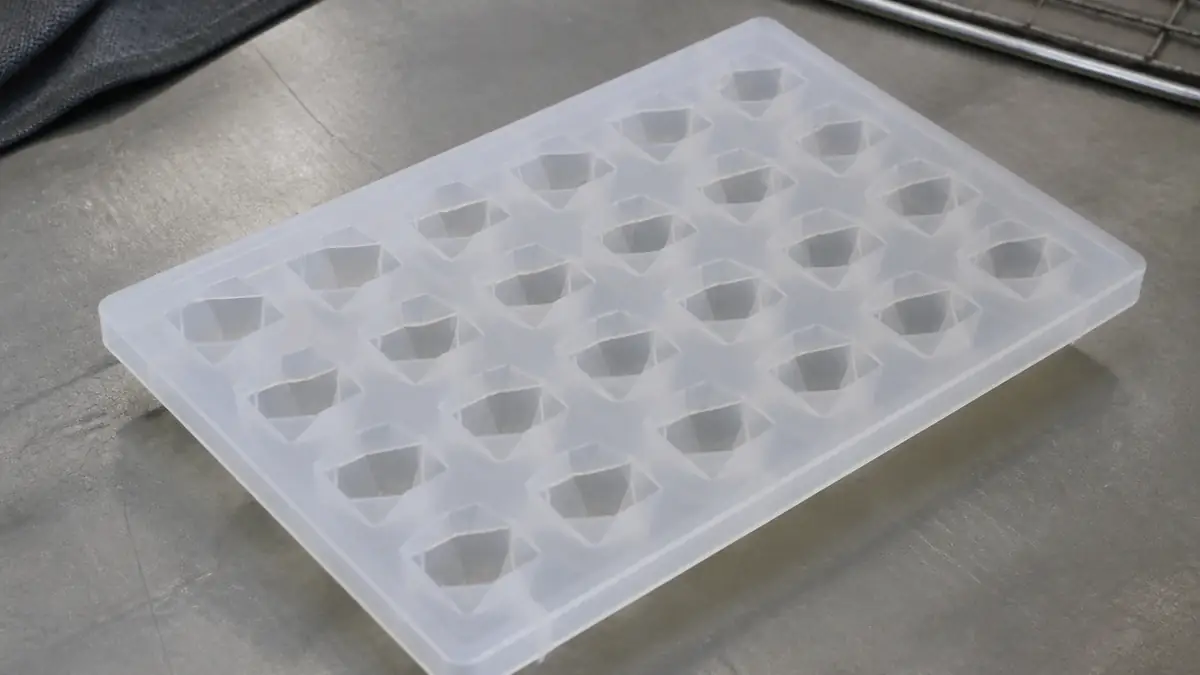
If the search is "best molds for making edibles," the useful answer is not a material ranking. It is which tool matches the line you already run. A starch mogul, a silicone depositing tray, and a polycarbonate hard-candy mold are three different machines. Buying the wrong one shows up as stuck pieces, light outer cavities, or a logo that never reads.
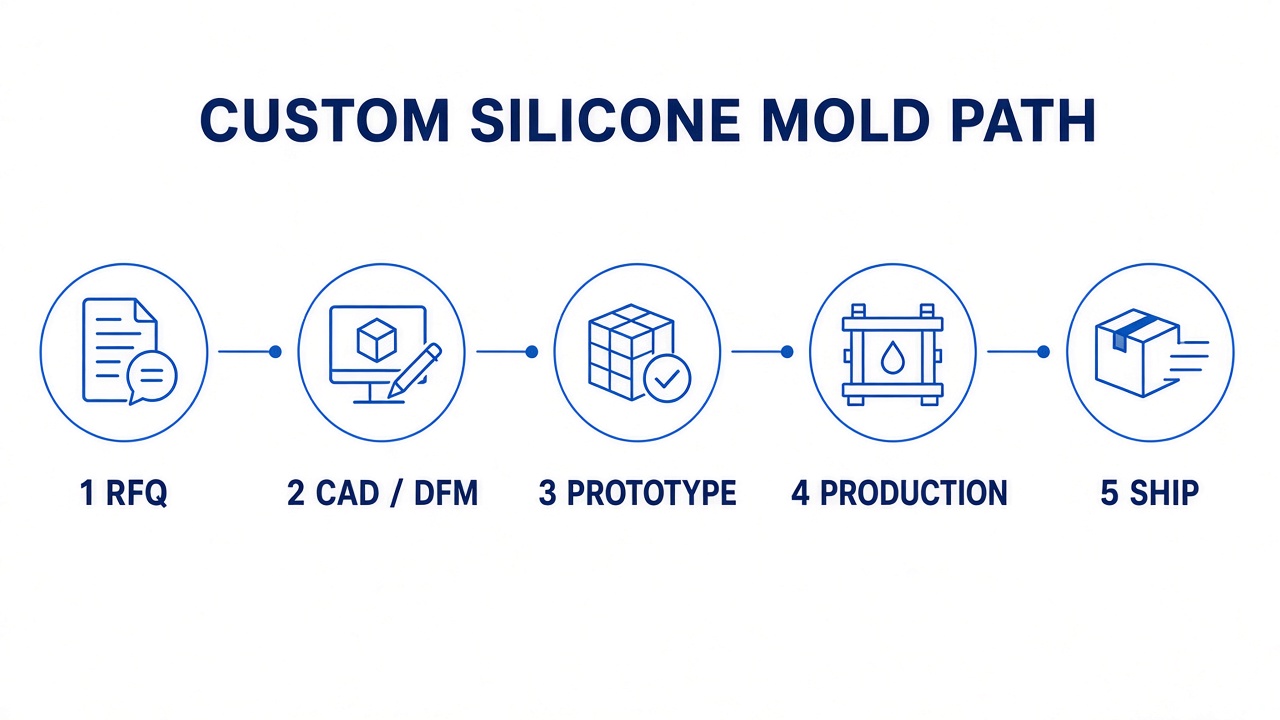
WYD quotes custom silicone trays from Bao'an (since 2006). Soft-tray jobs often start at MOQ 20 per design. Prototypes are commonly 3-5 business days after CAD lock. Gummy trays are often quoted around Shore A 30-40 when the piece has to peel without tearing a logo. That band is a starting quote, not a promise for every pectin or gelatin.
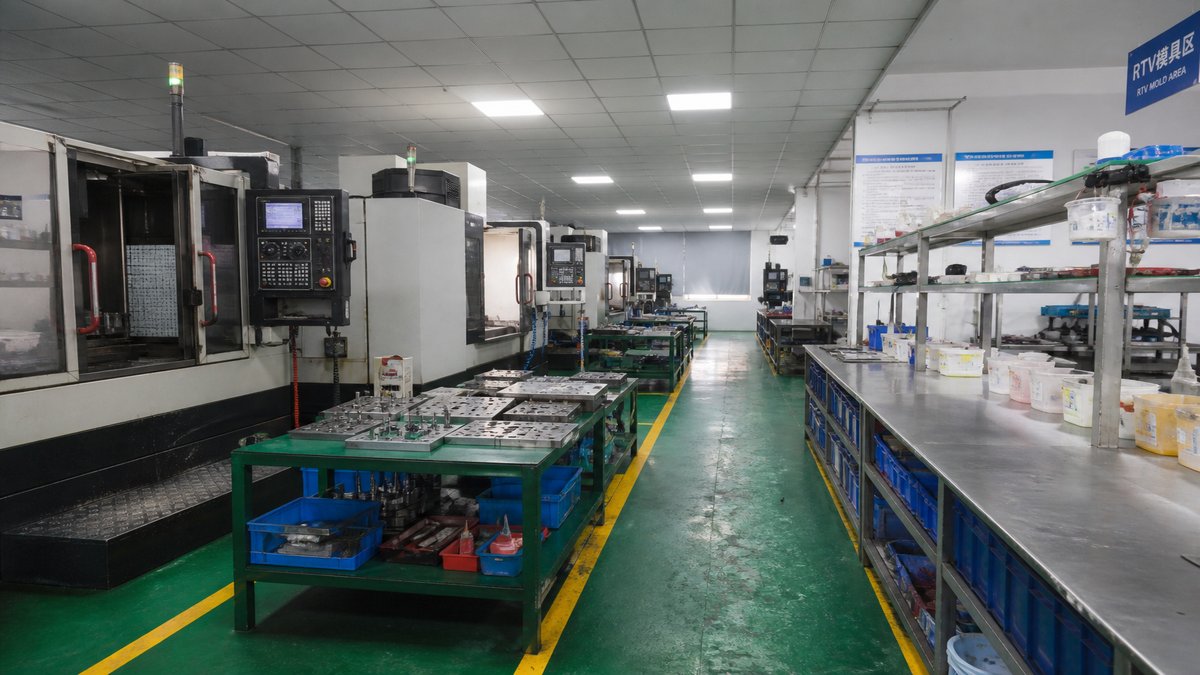
Watch the short on YouTube. The clip is a 3D-model-to-casting path on the WYD channel. It shows how a custom cavity is built. It is not a record of your formula, your depositor, or a finished inspection.
Which mold actually fits the line
| What you already run | Mold that usually fits | Do not switch just because |
|---|---|---|
| Starch mogul, high kg/hour, simple bears | Stay on starch boards | A silicone tray photo looks cleaner |
| Depositor or hand deposit, logo or odd shape, modest volume | Custom silicone tray | You want steel cycle life on day one |
| Hard candy, high sugar cook, rigid cavities | Polycarbonate or metal, quoted separately | A gummy Shore band was on the last PO |
| Shape still changes every week | Soft silicone sample first | Someone already priced a production tool |
Commercial tray page: custom silicone gummy molds. Compound choice, which is a different question: materials for gummy molds.
When a silicone tray is the right tool
A silicone tray earns the PO when the piece has to leave a flexible cavity: a logo, a letter, an undercut the starch print cannot hold, or a depositor pitch you can lock in CAD. We look at target piece weight, cavity count, tray envelope, and whether nozzles already have a pitch.
- Deposit warm, set, then peel. Gelatin and pectin do not share a demold clock.
- Outer cavities often run heavy if the loaded tray sags. Fix support and pitch before you blame the compound.
- Logo depth that looks sharp in CAD can lock the piece. Prototype with your formula, not with water.
Demold geometry is covered on clean demolding. How the press makes the tray: compression process.
What a silicone tray will not fix

It will not turn a starch plant into a depositor line. It will not make hard candy release the way a gummy does. It will not prove dose, label claims, or a market license. Food-contact paperwork, when you need it, follows the compound and the destination market. We do not call the factory FDA-approved.
If the SKU is a finished silicone part (a teether, a mat) and not a mold you deposit into, that is a different RFQ. This page is only the mold you pour or deposit food into.
What the plant clip shows
Use the short to see a custom cavity going from a model to a mold you can cast into. Then ignore anything it does not show: your cooker temperature, your set time, your tray on your rack. Approval is a weighed sample from your formula, not a view count.
What to send on the RFQ
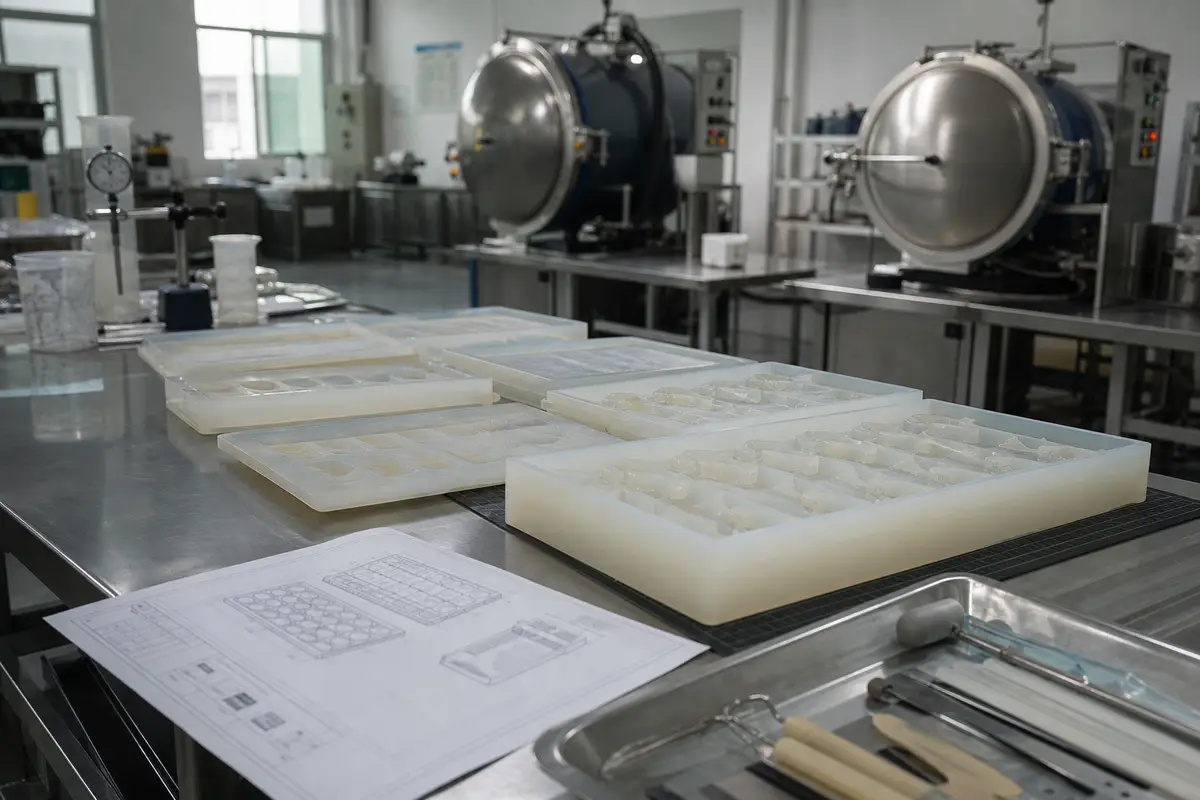
- Formula family (gelatin, pectin, or other) and deposit temperature if you know it.
- Target piece weight and how many cavities per tray.
- Depositor pitch or "hand deposit / dump."
- Logo file and whether the shape is still moving.
- First quantity and whether you expect to repeat.
Send that to contact. If the drawing is not ready, say so. A sample tray and a production tool are separate lines.
FAQ
Is silicone always better than starch for edibles? No. If the mogul already hits weight and the shape is a plain bear, starch stays cheaper at high kg/hour.
Can one tray run gummies and hard candy? Do not plan on it. Cook temperature and release are different jobs.
What Shore should I write on the PO? For many gummy trays we start the quote near Shore A 30-40. The number moves with logo depth, pectin versus gelatin, and how the operator peels.
MOQ and sample time? Soft custom trays often start at 20 pieces per approved design. Prototypes are commonly 3-5 business days after CAD lock.
Does the YouTube short prove my mold? No. It shows a plant path. Your acceptance test is piece weight, demold, and logo on your formula.
Ready to order custom silicone molds?
Send your drawing, sample or project requirements for DFM and quotation.