
HCR / HTV
HCR Molding
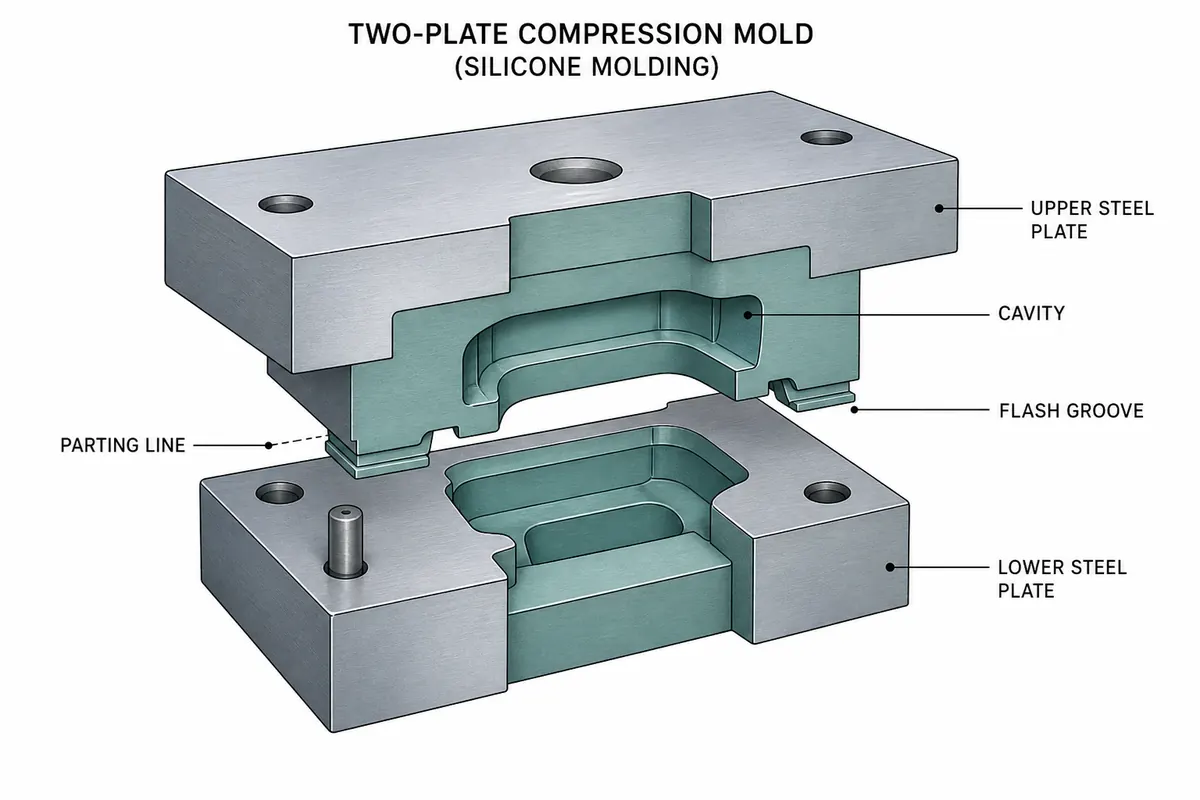
WYD manufactures custom HCR/HTV silicone parts and production trays using heated metal tooling. Compression molding is widely used for silicone components that need repeatable geometry, material control and economical repeat production without requiring an LSR injection process.
Projects can start from a STEP/STP file, 2D drawing, physical sample or an existing design that still needs DFM.
When Compression Molding Makes Sense
Compression molding is often a strong option for:
- custom silicone gaskets and seals
- protective covers and boots
- grips and handles
- keypads and button pads
- kitchenware
- multi-cavity silicone trays
- industrial silicone components
- consumer silicone products
- two-color or insert-molded parts where the selected process supports the design
The decision should be based on geometry, annual volume, material, tolerance, surface requirements and tooling economics—not simply on part size.
How HCR/HTV Compression Molding Works
1. Material Preparation
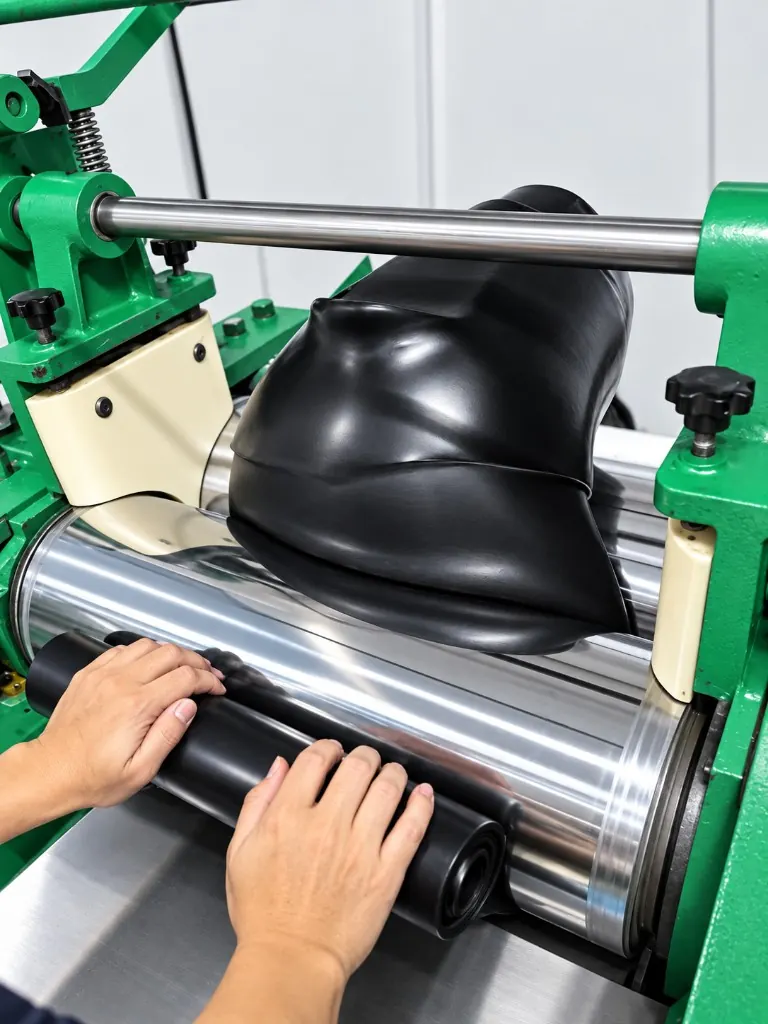
High-consistency silicone rubber is selected according to the application, hardness, color, exposure and documentation requirements. Depending on the compound and project, preparation may include pigment/masterbatch incorporation, mixing and preforming before molding. The cure system is selected according to the compound, application and required documentation—platinum or peroxide is not universally superior.
2. Preform Loading
A controlled amount of uncured silicone is placed into the heated mold. Preform weight and placement can affect cavity filling, flash, trapped air, material waste and part consistency. For multi-cavity tooling, the loading method should be practical for repeat production.
3. Compression and Cure
The mold closes under pressure and the silicone flows into the cavity. Heat and time cure the material according to the selected compound and process. Tool temperature, cure time and molding pressure are process variables—not universal website specifications.
4. Demolding and Trimming
After cure, the molded part is removed and flash is trimmed where required. Parting-line location and flash control should be considered during DFM because flash on a sealing surface, cosmetic edge or mating feature can create functional problems.
5. Post-Cure When Required
Post-cure is not mandatory for every silicone project. It may be specified when required by the selected compound, application, customer specification, odor/volatile targets or documentation/testing path. The requirement should be confirmed before production.
6. Inspection and Repeat Production
Production inspection should focus on the characteristics that control function, such as critical dimensions, hardness, flash condition, color, surface finish, assembly fit, seal performance and cavity consistency.
DFM for Compression-Molded Silicone Parts
A part can look simple in CAD and still be difficult to compression mold consistently. We review:
Parting Line
Place the seam where flash can be controlled and trimmed without affecting critical function or appearance.
Wall Thickness and Transitions
Abrupt thickness changes can affect filling, cure behavior and part deformation.
Undercuts
Silicone flexibility can tolerate some undercuts, but demolding force, tear risk and tool construction still need review.
Venting and Air Traps
Thin ribs, deep pockets and closed-end features may trap air if the tool is not vented appropriately.
Insert Location
For insert-molded parts, the insert must stay in position during loading and mold closure.
Critical Dimensions
Flexible silicone can deform during measurement. The drawing should identify which dimensions matter and how they will be checked.
Compression Molding vs LSR Injection Molding
Compression molding is not automatically “lower quality,” and LSR is not automatically “better.” WYD supports both routes and selects the process after reviewing the part and production plan.
Compression molding may be preferred when:
HCR/HTV is suitable for the material requirement; production volume does not justify a more complex injection system; geometry works well with preform loading and compression tooling; the part is relatively thick or robust; tooling economics favor compression.
LSR may be preferred when:
Thin or complex flow paths favor injection; automation is important; production volume supports LSR tooling economics; the selected material must be LSR; gate/runner strategy and repeatability justify the process.
What a Prototype Should Prove
Before repeat production, define the purpose of the sample. Typical checks include:
- fit
- Shore hardness
- dimensions
- flash/parting line
- surface finish
- color
- insert position
- assembly
- sealing or load performance
- repeated flex where relevant
A prototype should answer the highest-risk questions before the production specification is frozen.
What Drives Tooling and Unit Cost?
Tooling cost can be affected by:
Tool size, cavity count, steel/aluminum tool construction, inserts and slides, undercuts, surface finish, venting, machining complexity and expected production method.
Unit cost can be affected by:
Silicone grade, part weight, cycle time, cavity count, trimming, post-cure, secondary assembly, inspection and packaging. Exact pricing requires the drawing and expected quantity.
What to Send for a Quote
Send:
- STEP/STP or other available 3D file
- 2D drawing if available
- target material or application
- Shore hardness if already validated
- color
- expected quantity
- annual/repeat volume
- important tolerances
- surface finish
- inserts or mating parts
- target market/documentation requirements
Send Your Compression Molding Project
If the design is not production-ready, we can first identify the DFM or CAD work required.