
Keypads
Custom Silicone Rubber Keypads & Button Pads
WYD manufactures custom silicone rubber keypads and button pads for electronics, controls and device assemblies.
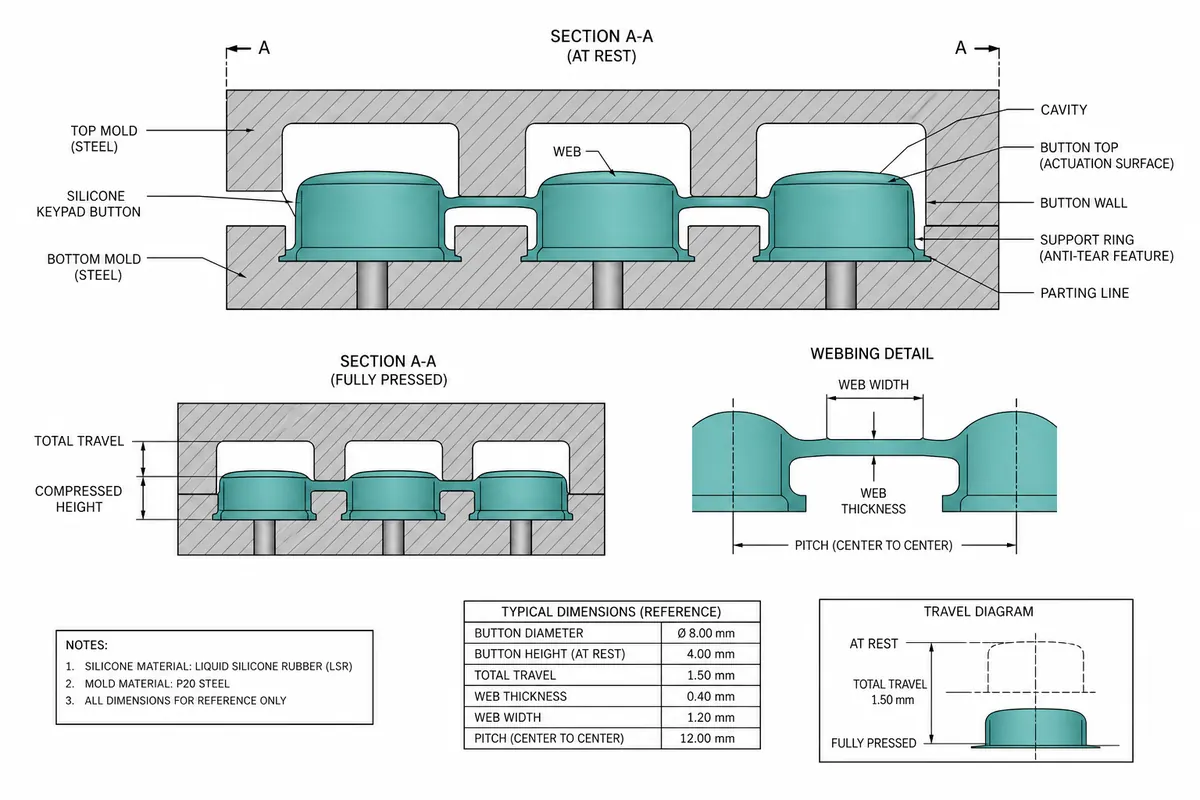
A keypad can be dimensionally correct and still feel wrong. Key travel, actuation force, web geometry, conductive contact design and housing/PCB fit must be developed together.
What Defines Key Feel?
The response of a silicone key is influenced by:
- web thickness
- web angle/geometry
- key size
- key travel
- silicone hardness
- contact geometry
- housing support
- design of the return force
Do not specify only Shore A when actuation feel is critical. Where force/travel targets are important, they should be written into the specification and checked on the sample.
Conductive Contact Options
Depending on the electronics design, a keypad may require a conductive contact such as a carbon pill or another specified contact system. The buyer should provide:
- PCB contact layout
- pill/contact diameter if defined
- resistance requirement
- key travel
- actuation requirement
- alignment tolerance
The conductive system should be validated with the actual PCB/interface.
Legends, Icons and Backlighting
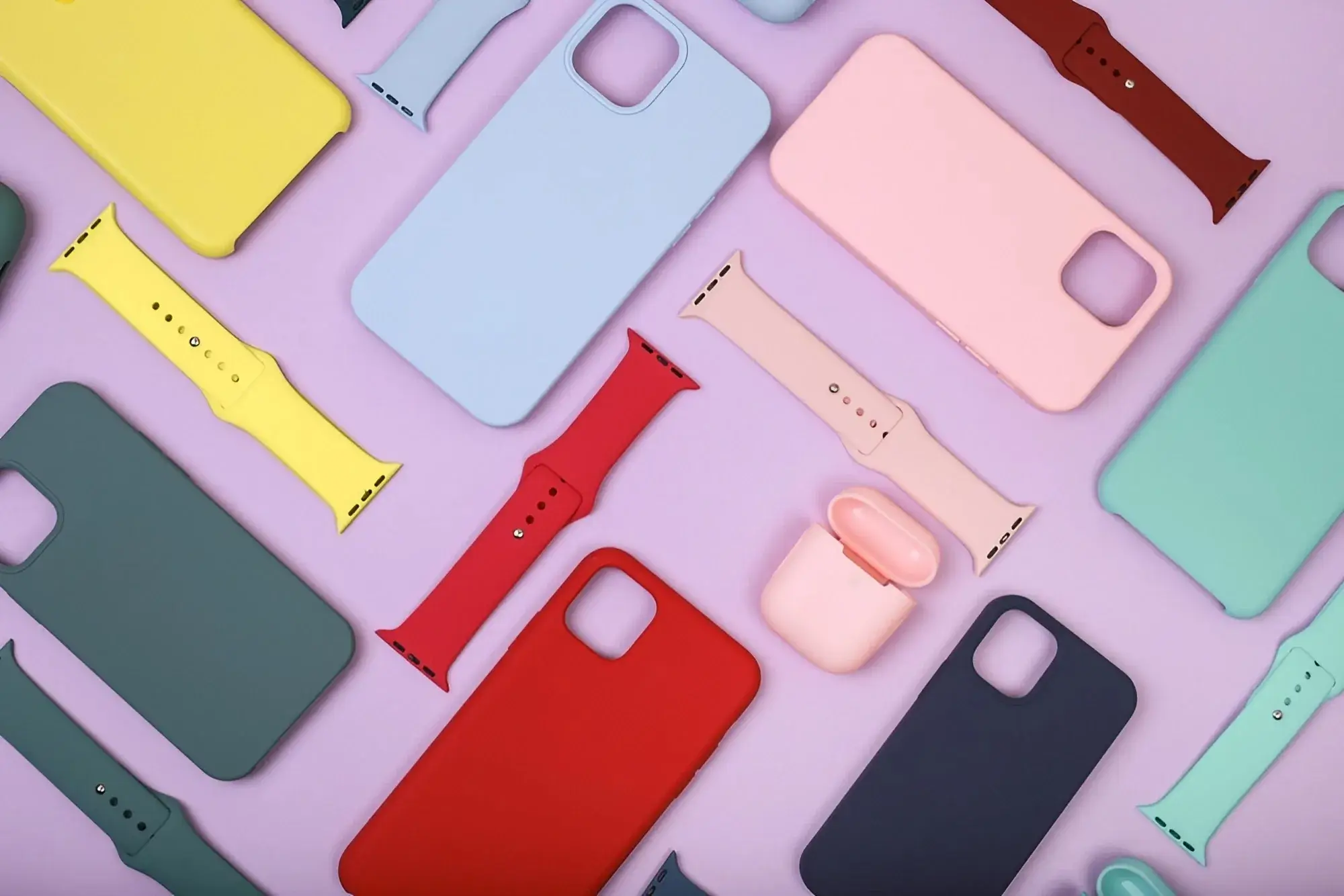
Possible decoration methods depend on the design and required durability. Projects may involve:
- molded symbols
- printed legends
- color-filled features
- laser-marked/backlit structures where the selected material/process supports them
Share the legend artwork, color layers, backlighting arrangement and expected wear conditions. We can then review a decoration method that suits the key geometry and production quantity.
Keypad DFM
We review:
- web geometry
- key spacing
- travel clearance
- contact/pill location
- bezel opening
- PCB alignment
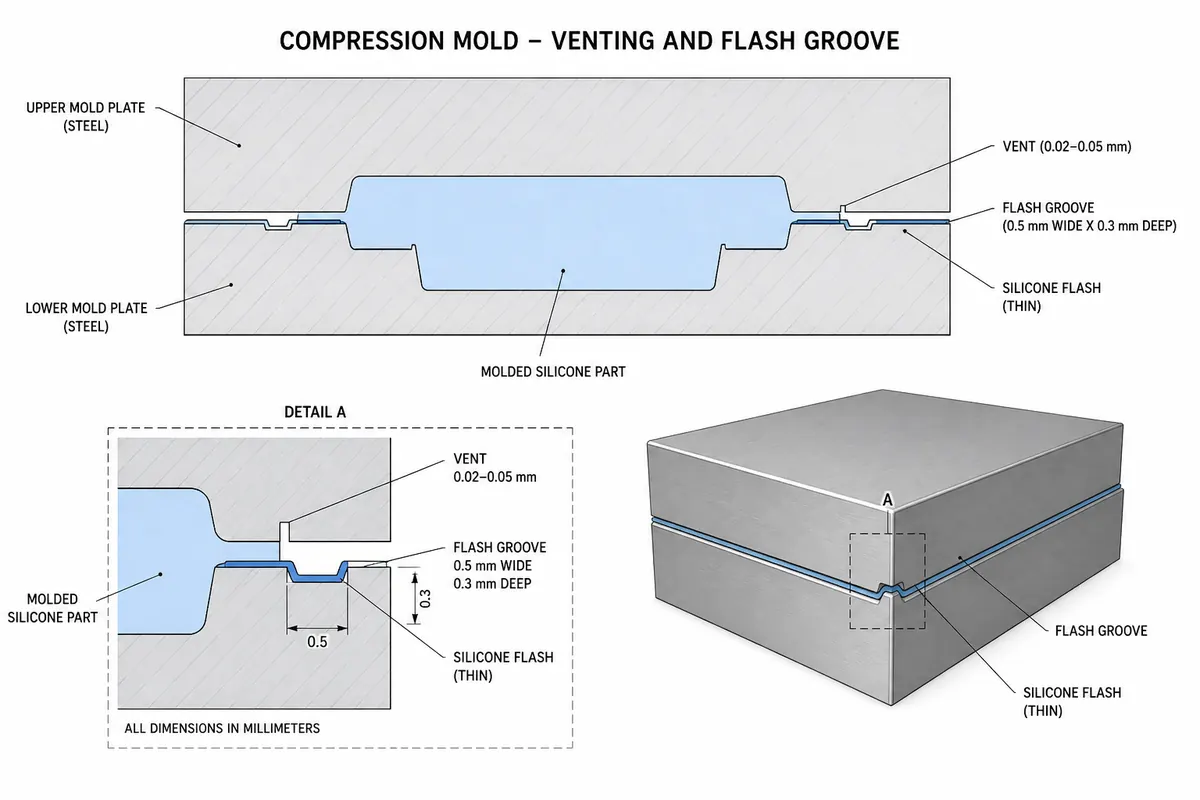
- parting line
- flash
- venting
- thin sections
- logo/legend
- surface finish
- assembly retention
Manufacturing Process
HCR/HTV compression molding is commonly used for silicone rubber keypads. LSR can also be considered where material, geometry or production requirements justify an injection process. For integrated rigid/silicone assemblies, overmolding may be reviewed separately.
Prototype Validation
Check:
- actuation force
- key travel
- tactile consistency
- return
- contact alignment
- electrical function with PCB
- bezel fit
- legend appearance
- backlighting, if applicable
- repeated key cycling where required
What to Send for a Quote
- 3D keypad model
- 2D drawing
- PCB/contact layout
- housing/bezel drawing
- target force/travel
- conductive contact specification
- Shore hardness if already validated
- color
- legend/backlight requirement
- quantity / annual volume
Request a Silicone Keypad DFM Review
Send the keypad, PCB and bezel drawings with force/travel targets if you have them.