
A custom ice cube mold is a narrower engineering problem than a general ice-mold program.
This page focuses on:
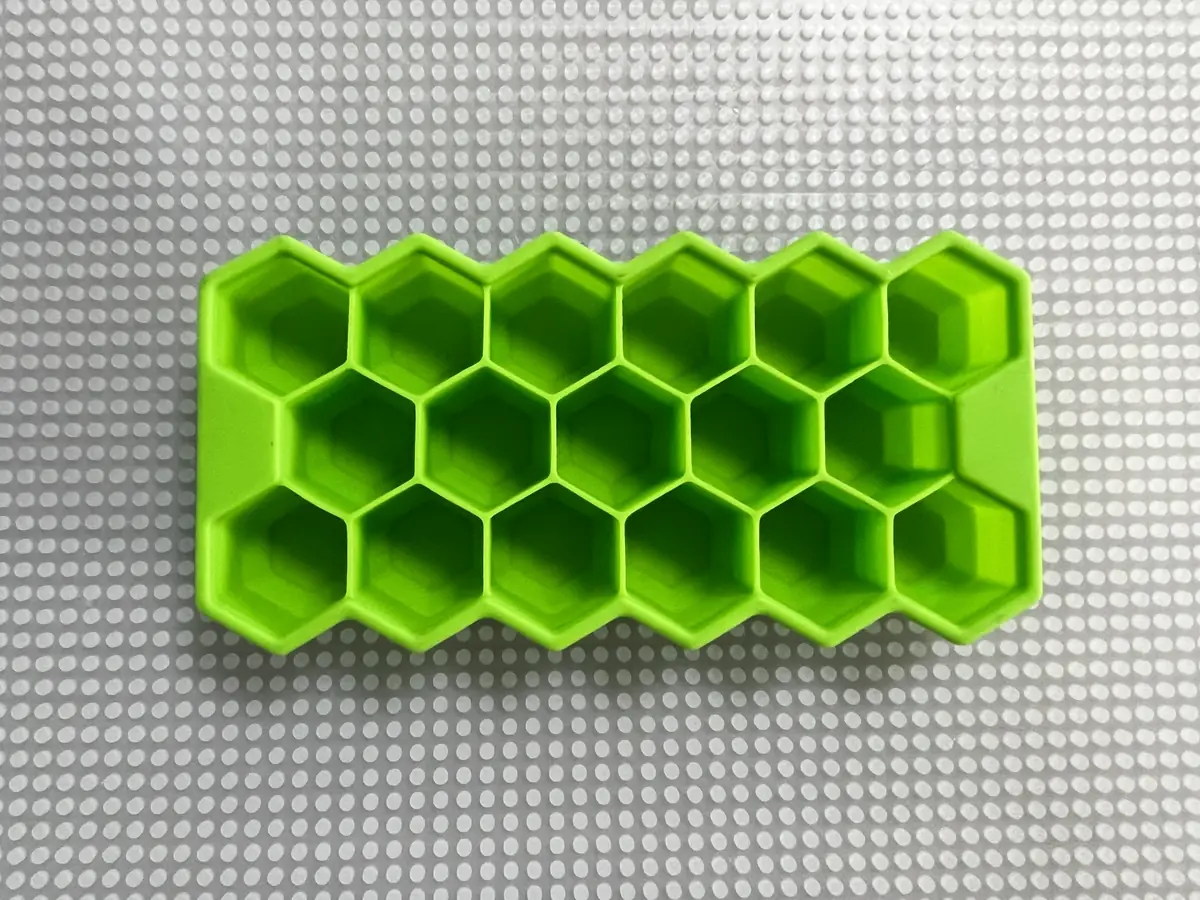
- square or rectangular cubes
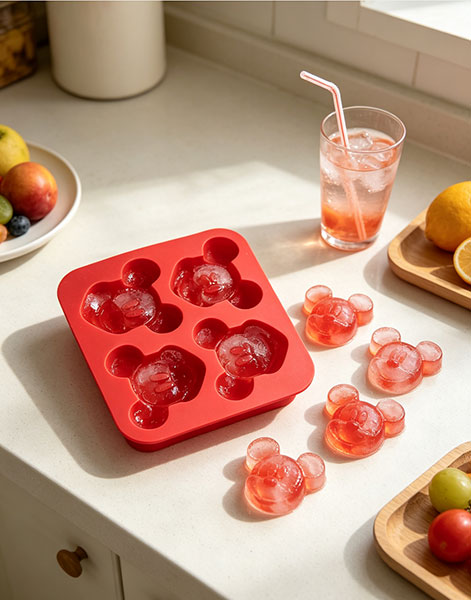
- logo cubes
- freezer-shelf trays
- branded presentation ice.
If the project is a sphere, spear or more complex hospitality mold, use the broader Custom Silicone Ice Molds page.
For cube molds, the main questions are:
> What cube should come out, how visible must the logo be, and can the filled tray be moved and demolded reliably?
Start With Cube Size and Service Use
Define:
- cube length, width and height
- glass or serving-vessel size
- one-cube vs multi-cube service
- target visual effect
- logo/artwork
- number of cavities
- tray-size limit
- freezer shelf/rack
- lid/support requirements.
A large cocktail cube and a small promotional cube should not use the same tray assumptions.
The finished ice is the design reference.
Logo Geometry Must Survive Freezing and Melting
A logo on the mold does not guarantee a readable logo in the glass.
Review:
- final logo size
- stroke width
- spacing
- raised vs recessed appearance
- text orientation
- edge softness
- how much melting is acceptable before the mark becomes unclear.
Very fine text may need simplification.
A deeper logo is not automatically better because excessive depth can:
- create a difficult release
- trap air
- produce fragile frozen features.
Prototype the actual frozen result.
Cube Corners and Release Geometry
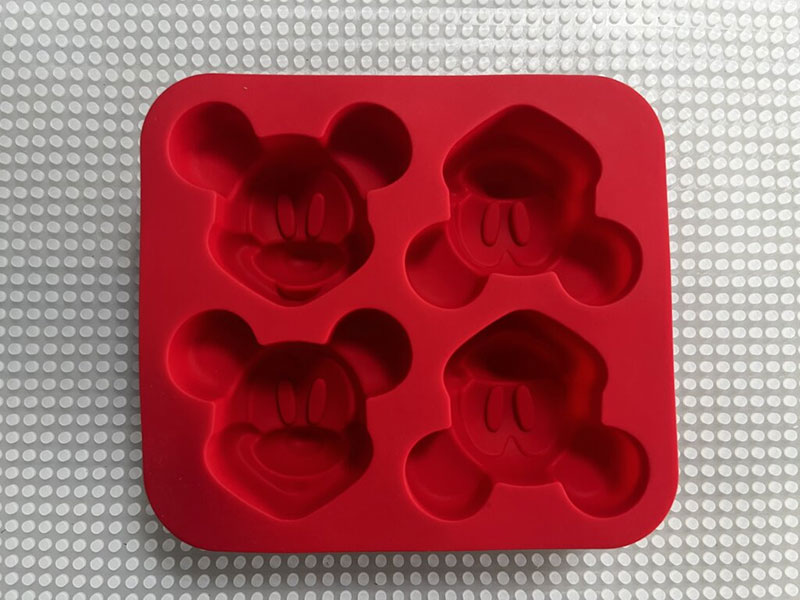
Sharp CAD corners can create a clean visual concept but may make frozen release more aggressive.
Review:
- corner radius
- wall draft/release path
- cavity depth
- local thin silicone areas
- how the operator peels or pushes the cube out.
The goal is not to eliminate every sharp-looking edge. It is to ensure the final cube releases without requiring damaging force.
If the ice frequently chips at one corner, determine whether the cause is:
- cavity geometry
- freezing condition
- water/clarity process
- demolding technique.
Tray Support Matters When Full
A cube tray can be easy to handle while empty and unstable when full.
Check:
- total water mass
- tray span
- perimeter
- support pan
- freezer shelf
- how the operator carries the tray.
If the center bows under load, possible solutions include:
- support frame
- wider perimeter
- local ribbing
- smaller tray
- revised cavity map.
Do not assume higher Shore hardness is the only solution.
Fill Level Affects Cube Geometry
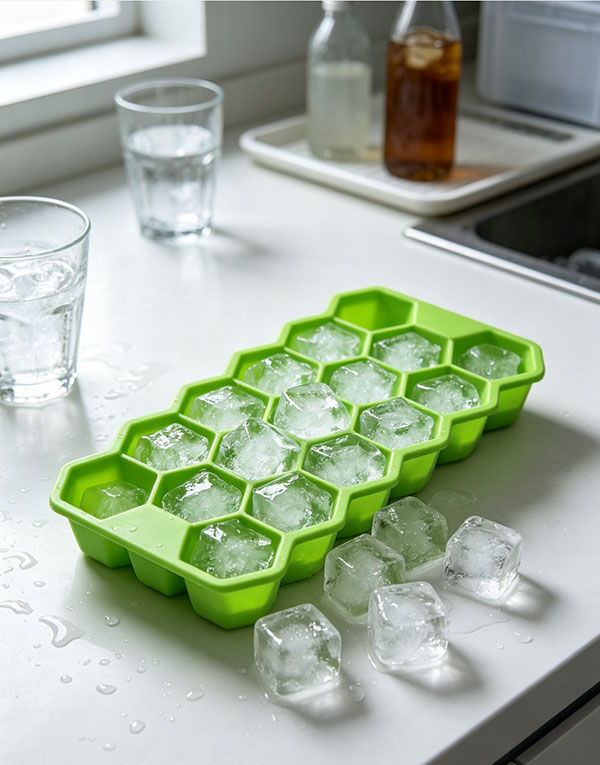
For open cube trays, the operator may fill:
- flush
- slightly below
- slightly above a reference line.
Inconsistent fill can affect:
- finished cube height
- weight
- surface
- logo presentation.
If the project needs repeatable visual presentation, define the expected fill method.
For automated filling, cavity pitch and datum may become equipment interfaces.
Clear Ice and Mold Design Are Different Questions
A silicone mold shapes the ice.
It does not by itself guarantee clarity.
Ice clarity can depend on:
- water
- freezing direction
- freezing rate
- dissolved gases
- equipment/process.
The mold should support the customer's clarity method, but do not sell mold material as a standalone “clear ice technology.”
If the buyer uses a directional-freezing process, provide the equipment/setup so tray design can be reviewed around it.
Prototype With a Real Freeze Cycle
Check:
- fill
- loaded handling
- final cube dimensions
- logo readability
- frozen release
- corner integrity
- tray return to shape
- freezer fit
- cleaning.
If the mold is intended for a busy bar or hotel, also check how quickly staff can:
- fill
- move
- demold
- reset the tray.
Operator time can become a real production variable.
When This Page Is Not the Right Owner
Use the broader Ice owner when the project involves:
- spheres
- closed/semi-closed mold structure
- large spears
- multi-part ice mold
- hospitality programs combining several ice types.
Use Popsicle when the product has a stick interface.
Use Resin when the object is a decorative “ice” prop rather than frozen water.
This distinction prevents different search and engineering intents from collapsing into one page.
What to Send for a Cube-Mold Review
- cube dimensions
- logo/vector artwork
- cavity count
- tray-size limit
- freezer/rack dimensions
- fill method
- support/lid requirement
- target market/documentation
- first quantity
- repeat forecast.
For supplier review and quotation, use Custom Silicone Ice Molds or Contact.
Send a project for review
Send the file or sample, the function, and the quantity.