
A custom silicone mold should be designed around what will be cast or produced, how the part must release, how many molds are needed, and how the customer will use them.
A custom silicone mold project can begin with a production-ready 3D file, a physical master, reference images, artwork, a drawing or a concept that still needs 3D development. The mold route should then follow the material being cast, the geometry, demolding path and expected production use.
There are two very different manufacturing routes that buyers often group together under the same phrase “silicone mold.” Choosing the correct route is the first engineering decision.
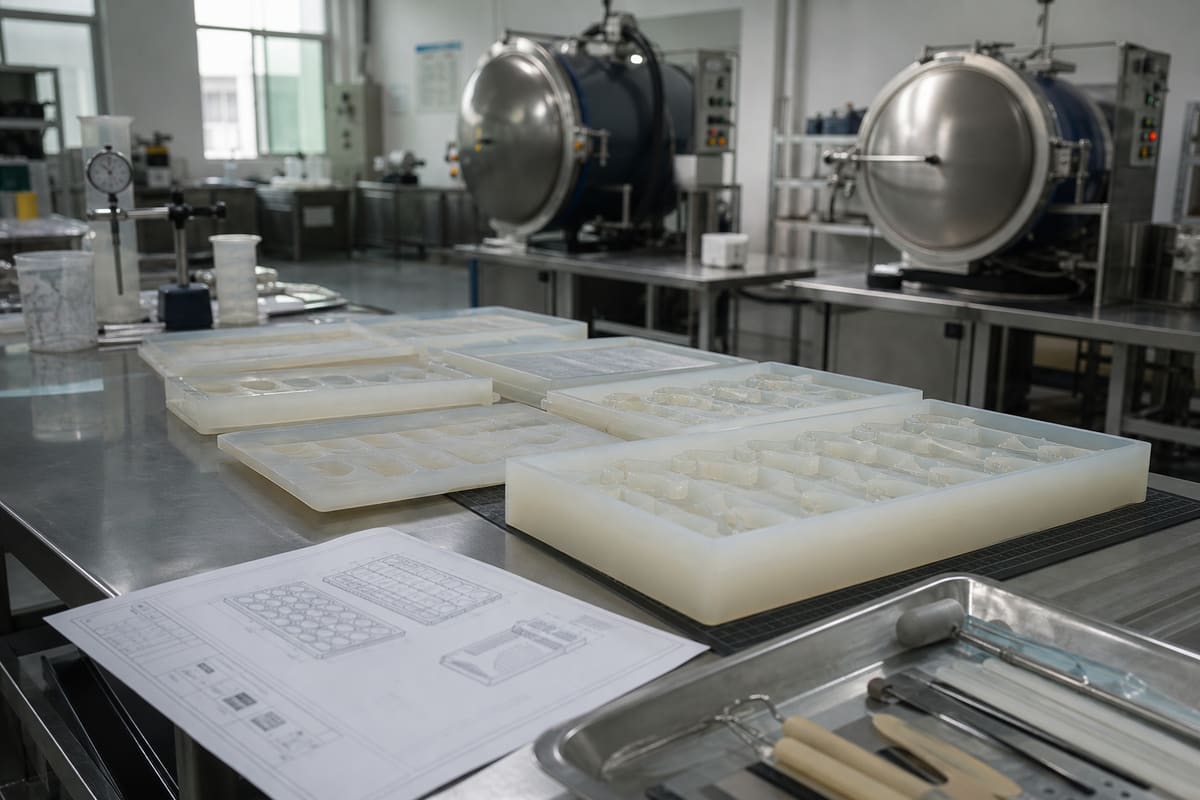
Two Ways a Custom Silicone Mold Can Be Manufactured
RTV silicone mold making
With an RTV route, a master pattern defines the cavity geometry. Liquid room-temperature-curing silicone is formed around that master and becomes the flexible mold the customer will use for casting.
A typical sequence is:
reference / CAD → approved 3D model → master pattern → RTV silicone mold → test casting
This route is often practical for:
- resin and polyurethane casting
- plaster and gypsum figures
- candle and wax designs
- soap molds
- sculptures and decorative objects
- detailed full-3D shapes
- parts with undercuts that benefit from a flexible split or peel mold
- development work where a master-based process is more appropriate than production metal tooling.
The mold may be one-piece, slit, two-part or multi-part. Large or highly flexible molds may also need a rigid mother mold / support shell to hold the silicone in the correct shape during casting.
RTV is not simply a “cheap prototype version” of a production mold. It is a valid manufacturing route when the geometry and casting process suit it.
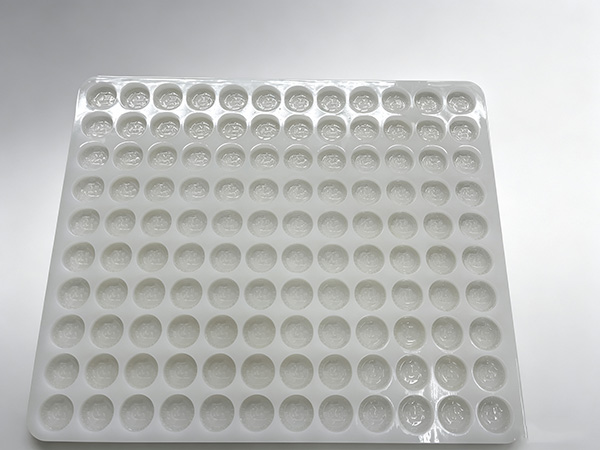
HCR/HTV compression-molded silicone molds and trays
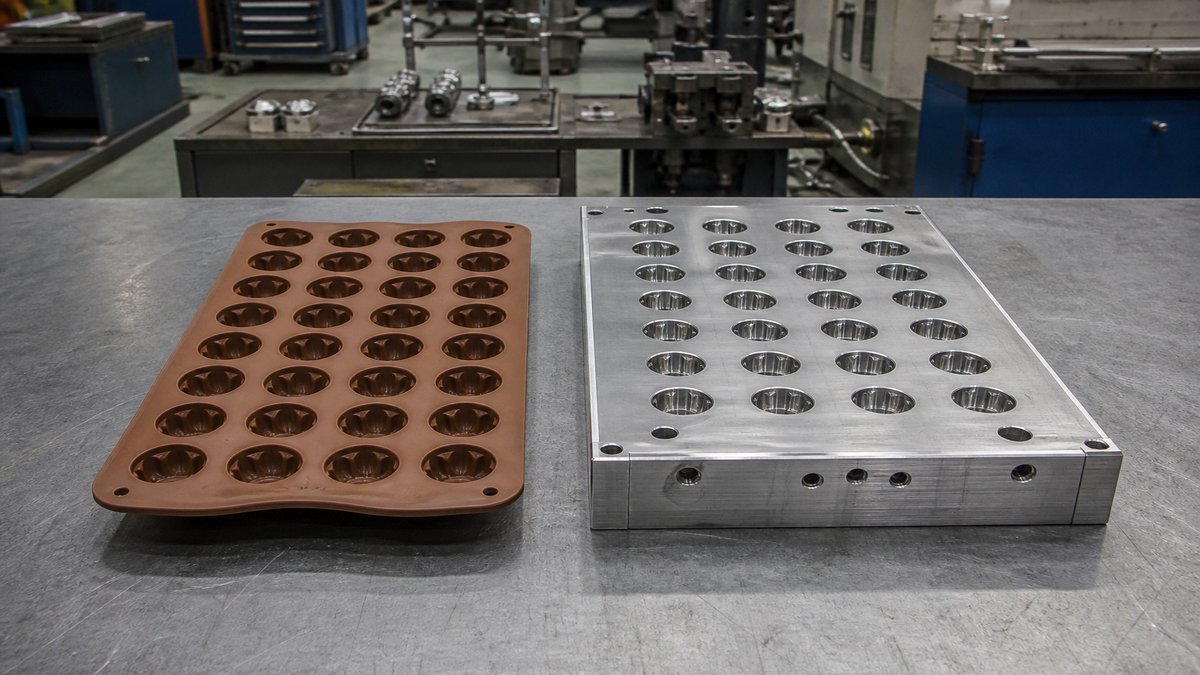
For repeat production of many tray-style silicone molds, the finished silicone mold can itself be produced by compression molding.
A typical sequence is:
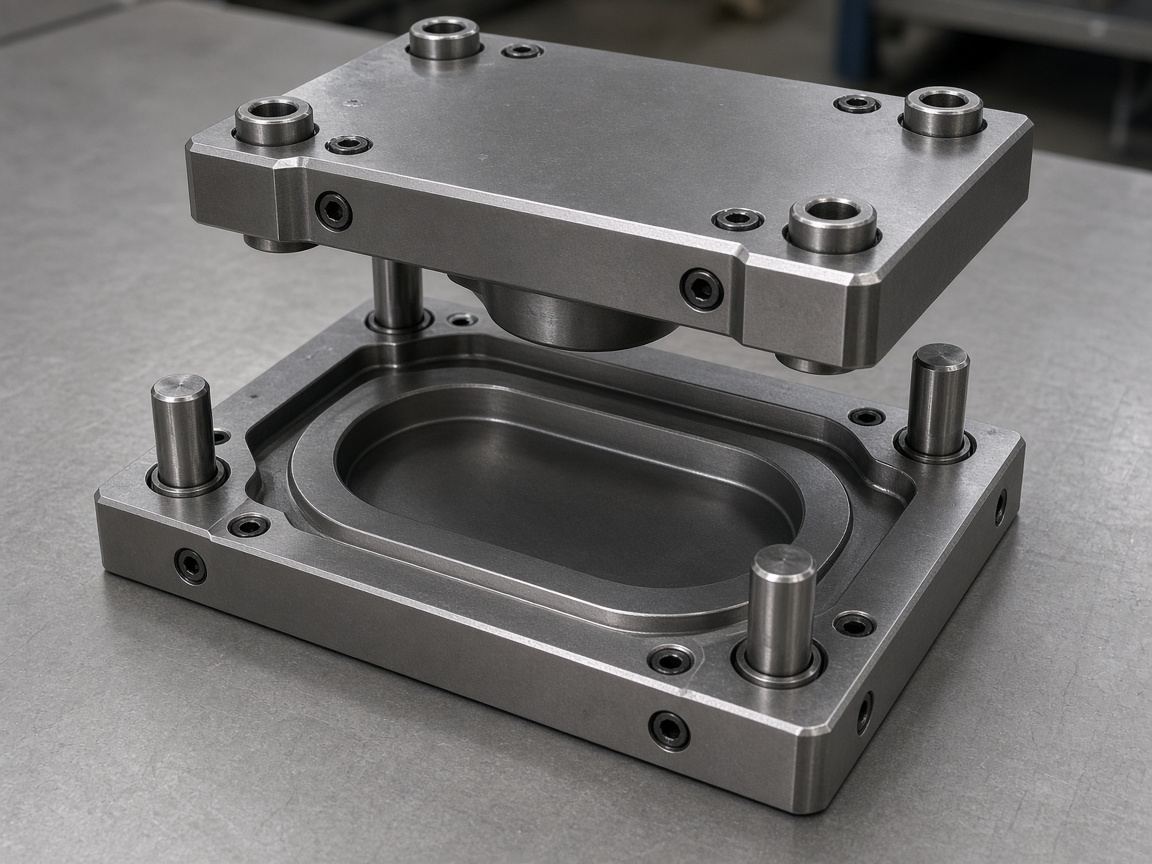
CAD → DFM → CNC-machined production tooling → HCR/HTV silicone molding → sample approval → repeat production
This route is commonly considered for repeat programs such as:
- gummy and confectionery trays
- chocolate molds
- ice molds
- baking molds
- popsicle molds
- multi-cavity production trays
- other stable designs that need repeated molded supply.
Here, the steel or metal production tool is not what the customer casts into. It is the manufacturing tool used to produce repeat silicone molds or silicone parts.
If your quotation simply says “mold fee,” ask which of these objects is being quoted.
Related guide: RTV vs HTV Silicone Molds
Start With the Casting Process, Not a Generic Shore Number
Two molds with the same outside size can require very different designs.
A soap bar mold may need soft release around a deep cavity. A plaster figurine may need a planned split so thin features do not break. A gummy tray may need enough support to stay stable while fully loaded and may also need to match an existing depositor pitch.
Before selecting silicone hardness or wall thickness, define:
- what goes into the mold
- whether it is poured, deposited, frozen, baked or chemically cured
- final part dimensions
- target weight or volume where relevant
- cavity depth and undercuts
- how the finished part will be removed
- cavity count
- overall mold/tray envelope
- production frequency
- equipment, rack, oven, freezer or depositor constraints.
Hardness is one design variable. It is not a substitute for understanding the application.
No Production CAD Yet? The Project Can Still Be Reviewed
Many real custom mold projects do not begin with a clean STEP file.
If you have a physical sample, artwork, product photo or concept, useful starting information includes:
- front, side and back views where possible
- one or more known dimensions
- close-ups of important surface detail
- whether the final object is flat-back or full 3D
- the material you plan to cast
- the desired finished size
- the quantity of molds required.
For a physical sample, the engineering task may be to reproduce the existing geometry or to reconstruct a nominal shape if the sample is worn or handmade.
For artwork or images, 3D development should be approved before a master or production tool is made.
DFM and CAD are different:
- DFM identifies manufacturing and demolding risks.
- CAD / 3D development creates or changes the geometry.
Mold Structure Follows the Release Path
The mold should let the finished casting release without damaging the casting or concentrating unnecessary stress in the silicone.
For RTV projects, structure decisions can include:
One-piece open mold
Practical for many flat-back or open-top shapes with a straightforward release direction.
Slit or peel mold
Useful when a flexible mold can open along a controlled path around a more three-dimensional shape.
Two-part or multi-part mold
Used where the geometry needs a planned parting line, registration keys, vents, cores or controlled closure.
Flexible mold with rigid support shell
Used when the silicone skin is flexible enough to distort under the casting material or its own size. The support shell holds the mold in its intended geometry.
A full-3D decorative figure is therefore a different engineering problem from a shallow multi-cavity soap tray even if both are made from RTV silicone.
For compression-molded trays, the design focus shifts toward:
- cavity layout
- spacing and borders
- wall transitions
- parting line and flash control
- tray stiffness when loaded
- repeatable molding
- compatibility with the customer's handling or production equipment.
Food and Confectionery Molds Need Process Information
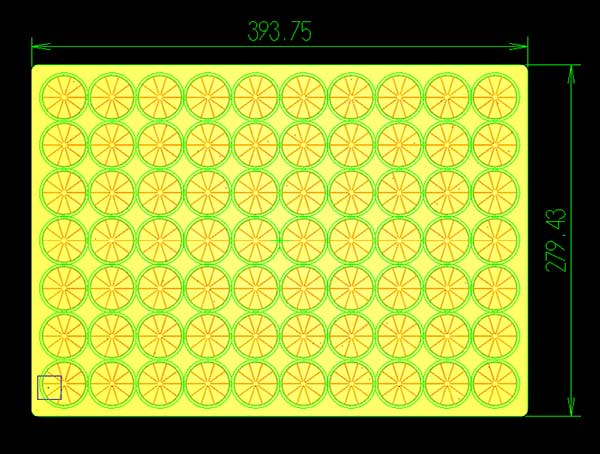
For food applications, the phrase “food-grade silicone” is not enough to design the mold.
A useful RFQ should identify the food process.
Gummy and confectionery
Tell us the target piece weight or volume, cavity geometry, cavity count, expected deposit condition and any depositor/nozzle layout.
Chocolate
Define piece geometry, logo/detail, desired finish, target weight and how the chocolate is filled, cooled and released.
Ice
Define the frozen geometry, overall tray envelope, freezer/rack constraints, whether a lid or support is used, and how the ice will be released.
Baking
Define cavity shape, food load, oven/use condition and how the mold must be supported and handled.
For broader food-mold development, use:
Commercial page: Custom Food Silicone Molds
Material Selection and Documentation Must Match the Application
There is no single silicone material, Shore hardness or document package that is correct for every custom mold; selection should follow the actual application and validation requirement.
Material selection can depend on:
- casting or food material
- temperature and exposure time
- flexibility needed for demolding
- tear-risk geometry
- tray span and support
- repeated cleaning
- target market
- customer-specific documentation.
For food-contact projects, identify the destination market and intended contact condition. Documentation should be matched to the selected compound and use condition rather than presented as a blanket “factory certification.”
For resin, chemicals or other industrial casting media, compatibility should be reviewed against the actual material where necessary.
What a Prototype Should Prove
A prototype mold is useful only if it answers the project's main uncertainty.
Depending on the mold, that may be:
- whether a resin casting releases without tearing the mold
- whether thin plaster details survive demolding
- whether a soap bar releases without damaged edges
- whether a gummy cavity produces the intended portion with the actual formulation
- whether an ice logo remains readable after freezing
- whether a fully loaded tray stays stable enough for handling
- whether seams or parting lines are acceptable on a decorative casting.
This is why sample approval should not be limited to “the mold looks correct.”
Where practical, test the mold with the customer's actual or representative casting process.
What Changes the Quotation
A meaningful quotation separates the objects and work being purchased.
Depending on the project, cost can include:
- CAD or 3D development
- master pattern production
- RTV mold construction
- rigid support shell
- production metal tooling
- trial/sample work
- silicone material and molding
- manual finishing or trimming
- inspection
- packaging
- freight.
Cavity count, size, undercuts, mold structure, production route and quantity can all change the quotation.
Exact lead time also depends on the design status, master/tooling route, revisions and validation required.
Buyer guide: Custom Silicone Mold Cost: Tooling, Samples, Production and Shipping
Evidence to Review Before Ordering
For a custom project, useful factory evidence is specific to what you are buying.
Depending on your project, ask to review:
- representative master patterns and RTV mold structures
- real compression tooling and finished trays
- relevant HCR/HTV or LSR manufacturing examples
- mold-surface/detail examples
- inspection approach for the dimensions or functions that matter
- prototype or first-article approval records where available for the project
- material documentation tied to the selected compound.
A generic factory statement is less useful than evidence that matches the process being quoted.
What to Send for a Useful Mold Quote
For an initial review, send as much of the following as you already know:
Design
- STEP/STP/STL, 2D drawing, sample, artwork or reference images
- overall finished size
- important detail, logo or texture.
Application
- what will be cast, deposited, frozen or baked
- process temperature if relevant
- release/demolding method
- target piece weight or volume where relevant.
Mold
- cavity count
- preferred tray/mold envelope
- one-piece, split or other structure if already known
- equipment, rack, oven, freezer or depositor constraints.
Commercial
- prototype quantity
- first production quantity
- repeat forecast
- destination
- target market and documentation request
- target date.
If some answers are still unknown, mark them as open. A useful first review should identify what must be decided before tooling—not force the buyer to guess.
What You Should Receive From the First Technical Review
A first review should reduce uncertainty before you pay for CAD, a master or production tooling. After reviewing the information available, the WYD team will separate three things:
Confirmed from your input
This may include the required deliverable, overall size, casting or use process, quantity, target market and any equipment envelope already fixed by your drawing or sample.
Recommended manufacturing route
We will identify whether the project appears to fit an RTV master-based mold, an HCR/HTV compression-molded tray, metal production tooling, or another silicone manufacturing route. The route remains subject to the geometry and use conditions supplied for review.
Open points before tooling
These may include missing dimensions, draft or split decisions, undercuts, cavity spacing, loaded-tray support, target piece weight, depositor pitch, temperature, material compatibility, document requirements or a test that must be run on the prototype.
The first reply is not a blanket performance approval. It is a practical path showing what can be quoted now, what requires engineering work and what the customer must verify with the real material, equipment or end-use condition.
For applicable small-batch silicone mold programs, production MOQ starts from 20 pcs per design. That figure is not a fixed MOQ for every LSR or industrial program, and it is separate from the prototype quantity. Initial manufacturability review is free. Standard or simple 3D modeling can start from USD 50 per design. Complex sculpting, reverse engineering, or product development is quoted by scope. For eligible projects, prototype preparation is typically 3-5 business days after CAD approval. Transit time is additional. Complex work is scheduled separately. Tooling, samples, testing, production, packing and freight are quoted for the actual design and route.
Send your file, sample or project brief
Frequently Asked Questions
Can a silicone mold project start from a physical sample?
Yes, a physical sample can be used as a starting reference. The project may require measurement, scanning, CAD reconstruction or use of the sample as a master depending on condition and geometry.
Can you develop the mold if I only have images or artwork?
The project can begin from reference images or artwork, but the final 3D geometry needs to be developed and approved before a master or production tool is released.
Is RTV always the cheaper route?
No. RTV and HCR/HTV solve different manufacturing problems. Geometry, quantity, required repeatability, master/tooling work and production method all affect total cost.
How do I know what Shore hardness to specify?
Start by describing the casting material, depth, undercuts, tray size, required support and demolding behavior. Hardness can then be reviewed as part of the mold system rather than selected in isolation.
Can you make food-contact silicone molds?
Food-contact projects can be reviewed with a silicone compound and documentation path appropriate to the intended market and contact condition. Provide the food type, use temperature, duration and requested standard.
Confirmed Commercial Baseline
For applicable small-batch silicone mold programs:
- MOQ starts from 20 pcs per design. Not a fixed MOQ for every LSR or industrial program. Prototype quantity is separate.
- Standard or simple 3D modeling from USD 50 per design. Complex work is quoted by scope. This is not a tooling deposit.
Tooling, material, testing, production, packing and freight are quoted according to the actual project.
The quotation should identify whether the charge covers CAD development, a master pattern, production tooling or finished silicone molds. Confirm which files and tooling are included, how revisions are handled, and the quantity of molds to be delivered before placing the order.
Send a project for review
Send the file or sample, the function, and the quantity.