
A finished-silicone sourcing project should begin by defining the component or product the buyer expects to receive, the function it must perform, and the interfaces that control that function.
A project can start with a production-ready 3D model, a drawing, a physical sample, reference images or an early concept that still needs engineering work. The manufacturing route is selected from the product's function, geometry, material requirements and expected production—not from a generic “silicone product” template.
If the item you need to receive is a flexible mold for casting gummy, chocolate, resin, plaster, wax or another material, use the Custom Silicone Mold Manufacturer page instead.
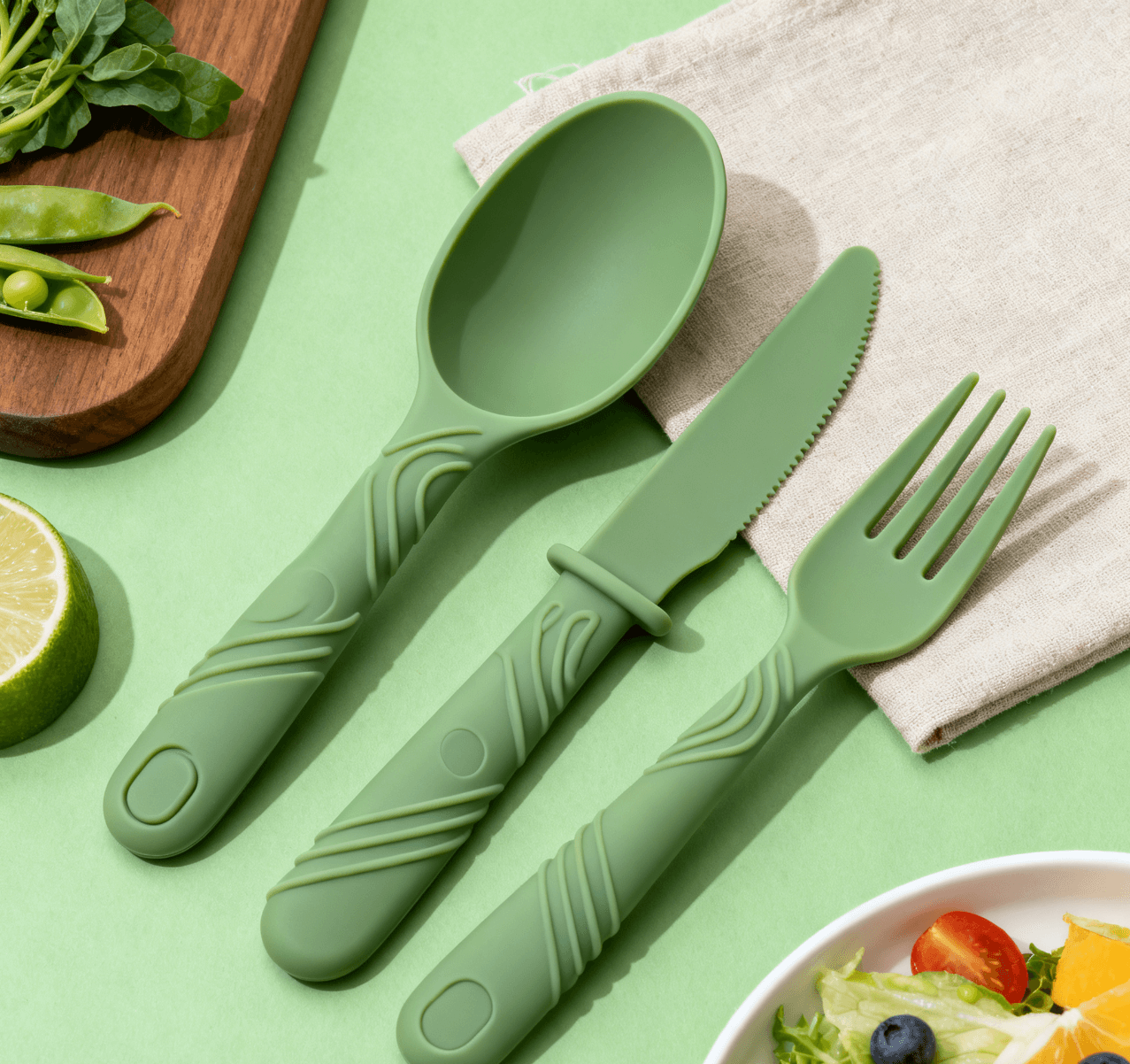
Start With the Function of the Finished Product
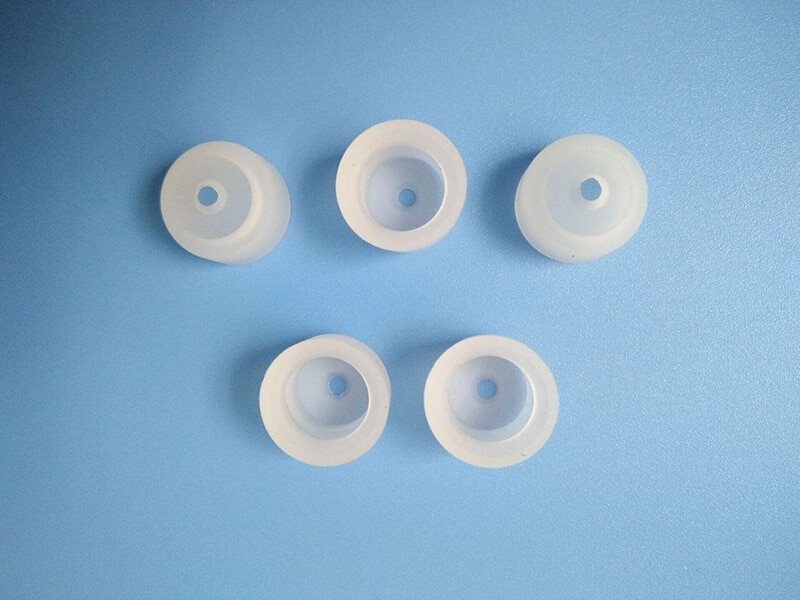
Before deciding between compression molding, LSR, overmolding or extrusion, define what the part needs to do.
Useful questions include:
- Does it seal?
- Does it fit over or into another component?
- Does it need to flex repeatedly?
- Does it carry or locate a rigid insert?
- Does it contact food, skin, chemicals or cleaning agents?
- Is the user supposed to grip, pull, stretch, press or remove it?
- Which feature would cause the product to fail if it varies?
- What is the expected first order and repeat/annual quantity?
The answers determine which dimensions are critical, what prototype is useful and how the production tool should be designed.
A silicone lid, for example, is not defined only by outside dimensions and Shore hardness. The fit may depend on the real rim geometry, an internal locating skirt, removal force and the amount of stiffness the user expects. A sensory product may need controlled stretch and recovery, not simply the softest available material.
Choose the Manufacturing Route From the Product
HCR/HTV compression molding
Compression molding is a common route for many solid silicone components and products.
It can be considered for:
- gaskets and seals
- protective covers
- grips and handles
- keypads
- mats and kitchenware
- bumpers and flexible components
- many other drawing-controlled molded parts.
The product is molded in CNC-machined production tooling. DFM should therefore consider parting line, flash-sensitive surfaces, wall transitions, undercuts, insert features, trimming and the way the flexible part will be removed from a rigid tool.
Commercial process page: Silicone Compression Molding
LSR injection molding
LSR is a different manufacturing system. It uses metered liquid silicone and injection tooling designed around gating, venting, shutoffs, filling and curing.
LSR may be worth evaluating when:
- the specified liquid silicone material system is important
- geometry includes thin or detailed sections suited to injection
- the production program can justify LSR tooling and processing
- automation or insert molding is relevant.
A prototype made by another process can prove geometry or fit, but it does not automatically validate LSR gate behavior, flash or production filling.
Commercial process page: LSR Injection Molding
Silicone overmolding and insert molding
Overmolding combines silicone with a rigid plastic, metal or another suitable substrate.
The interface should be engineered around:
- insert location
- mechanical retention
- bonding route if used
- shutoff and flash
- temperature/process compatibility of the insert
- the real load direction.
A grip may need torque resistance. A silicone cover over a rigid core may fail first at an exposed peel edge. The correct test follows the use.
Commercial process page: Silicone Overmolding
Extrusion
Extrusion is the correct family for continuous silicone geometries such as:
- tubing
- cord
- seals/profiles
- custom continuous cross-sections.
The design discussion focuses on cross-section, OD/ID where relevant, material, cut length, tolerance, media and the downstream assembly.
Commercial page: Custom Silicone Tubing & Extruded Components
Product Categories Need Different Engineering Questions
A broad OEM manufacturer should not pretend that every silicone product follows the same DFM checklist.
Gaskets and seals
The functional questions may include groove geometry, squeeze, sealing surface, media, compression set risk and how the assembled system will be leak-tested.
Page: Custom Silicone Gaskets & Seals
Keypads
A silicone keypad may need control of web geometry, travel, tactile force, conductive contacts, PCB alignment, legends and backing/adhesive requirements.
Page: Custom Silicone Keypads
Electronics and wearables
These programs may depend on fit around a housing, repeated flex, skin/sweat exposure, port clearance, dust/water sealing contribution, strap hardware or overmolded inserts.
Page: Silicone Electronics & Wearables
Mom, baby and consumer products
The buyer must define the actual use, contact condition, target market and product validation plan. Do not select a material only from the phrase “baby safe.”
Page: Silicone Mom & Baby Products
Healthcare / medical-adjacent components
A project should begin with the component function, contact type/duration, requested material specification, cleaning or sterilization condition and documentation requirements.
Those requirements should not be replaced with a blanket “medical-grade silicone” marketing claim.
Page: Silicone Medical Products
DFM: Identify the Failure Before Tooling
The most useful DFM question is:
> What failure would make this product unacceptable?
For a protective cover, it may be loose fit or blocked ports.
For a gasket, it may be leakage.
For a keypad, it may be inconsistent actuation.
For an overmold, it may be insert movement, peel or torque failure.
For a flexible container or lid, it may be poor shape recovery, unexpected collapse or an impractical removal force.
Once the failure is clear, DFM can focus on the geometry that controls it.
Depending on process, review may include:
- wall thickness and transitions
- parting line
- flash-sensitive edges
- undercuts and demolding
- critical mating dimensions
- inserts
- shutoffs
- gates/vents for LSR
- ribs, lips or sealing features
- logo and texture
- measurement method for flexible geometry.
If the 3D model needs changes, CAD work is separate from the DFM decision itself.
Material Selection Should Start With the Environment
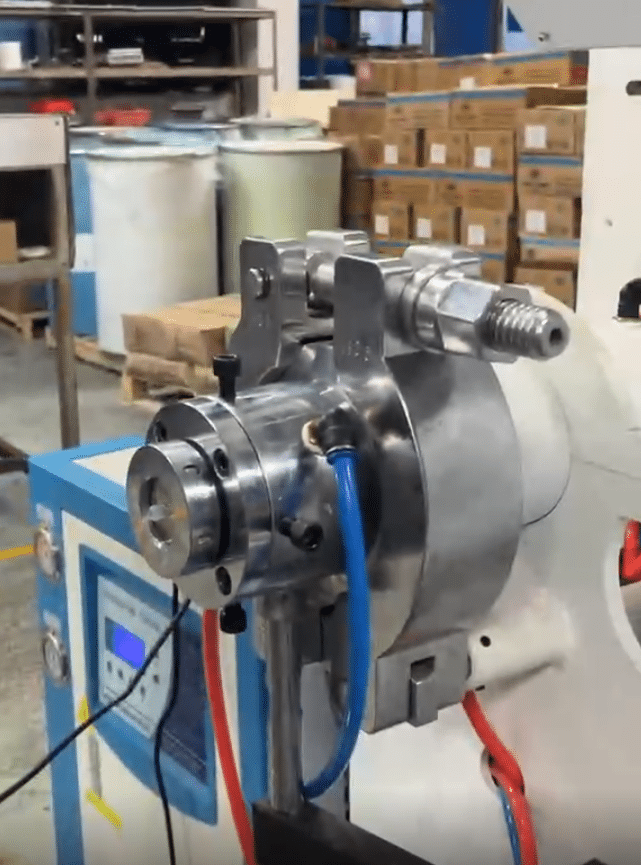
Silicone selection should not begin and end with Shore A.
Define the relevant conditions:
- temperature
- food or skin contact
- water, oil, cleaner or chemical exposure
- outdoor UV/weathering
- flex or stretch
- sealing/compression
- color
- required documentation
- target market.
A requested material value from a buyer is an input for review, not automatic proof that the grade is correct for the final product.
For regulated or food-contact projects, documentation must match the selected compound and intended use.
Prototype the Highest-Risk Requirement
A prototype should reduce uncertainty before production tooling or volume is committed.
Depending on the product, the sample may need to prove:
- fit with the actual mating part
- insertion or removal force
- sealing
- Shore/feel
- wall stability
- stretch and recovery
- insert retention
- pull, peel or torque
- button travel
- color and surface finish
- assembly
- cleaning/use behavior.
A physical sample made by a simplified method may prove shape or ergonomics while still leaving production-specific items open. For example, a prototype can prove a cover fits the housing, but the final LSR tool may still need separate gate, vent and flash validation.
Freeze the Production Reference Before Repeat Orders
After the part is approved, repeat production needs a controlled reference.
The production package should identify, where applicable:
- approved CAD/drawing revision
- material and hardness
- color
- tooling revision
- critical dimensions
- agreed measurement method
- functional test
- cosmetic reference or golden sample
- insert/hardware revision
- packaging
- required documentation.
This matters on reorders. A part can look “the same” while a material, insert, drawing or process condition has changed.
For flexible silicone parts, inspection methods can also matter. The same geometry can measure differently if it is stretched, compressed or held inconsistently during inspection.
What Changes the Quote
Finished OEM products do not share one universal MOQ or price formula.
Cost and production planning can depend on:
- process
- silicone material
- part weight
- tooling size and cavity count
- geometry and undercuts
- inserts or overmolding
- trimming or secondary operations
- post-cure where specified
- color and decoration
- assembly
- inspection/testing
- packaging
- order quantity and repeat forecast.
A useful quotation separates one-time development/tooling from recurring product cost.
If the concept is still changing, it can be more economical to resolve geometry during development rather than repeatedly modifying production tooling.
Lead time also depends on whether the project begins with production-ready CAD or still needs development, prototype iterations or customer validation.
Evidence Worth Reviewing
Before approving a custom OEM program, ask for evidence that matches the actual product.
Depending on the project, useful evidence can include:
- real production tooling
- representative compression-molded or LSR parts
- overmolded insert examples
- tooling/fixture approach
- first-article dimensional inspection
- Shore or material records where relevant
- fit/functional test method
- real process images relevant to the quoted manufacturing route
- material documentation for the selected compound.
A catalog of unrelated silicone products does not prove that a supplier understands the CTQs of your part.
What to Send for an OEM Silicone Quote
Design status
- STEP/STP or other 3D file
- 2D drawing
- physical sample
- reference images
- concept sketch if geometry is not complete.
Function
- what the product does
- mating components
- critical fit/seal/motion
- failure that must be avoided.
Material/environment
- required silicone grade or Shore if specified
- temperature
- fluids/chemicals
- skin/food contact
- cleaning or sterilization
- target market and documentation.
Commercial
- prototype quantity
- first production quantity
- expected annual/repeat volume
- color/branding
- packaging
- destination
- target schedule.
You do not need to guess the molding process. Send the product requirement first; process selection follows from that review.
Send a project for review
Send the file or sample, the function, and the quantity.