
A silicone product does not need finished production CAD before the first engineering conversation. What it does need is a clear answer to a more practical question:
What must the product do, and which parts of the design are still uncertain?
If the product must seal against a housing, hold a filled load, locate on a physical base, flex without snapping back too quickly, or reproduce a defined cavity volume, that function should be written down before anyone locks material, wall thickness or tooling.
The development job is to turn an incomplete idea into a controlled specification that can be tested and approved.
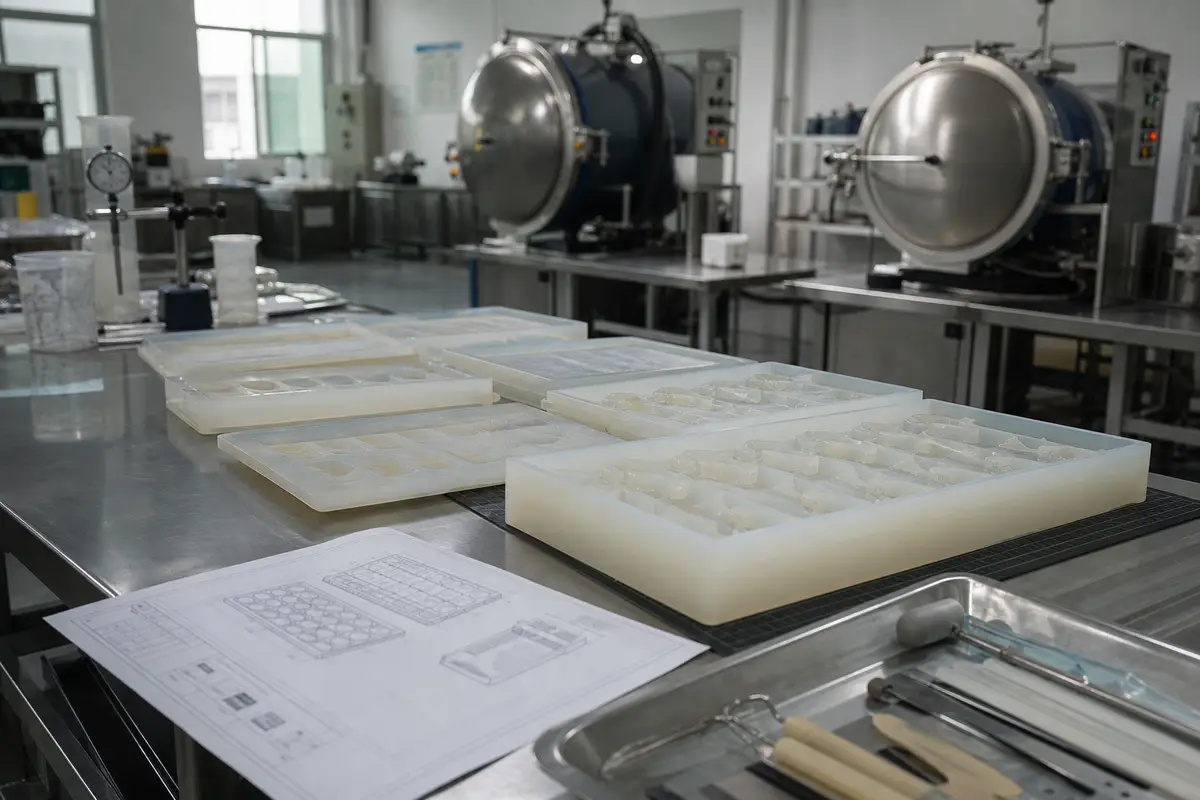
Separate What Is Fixed From What Is Still Open
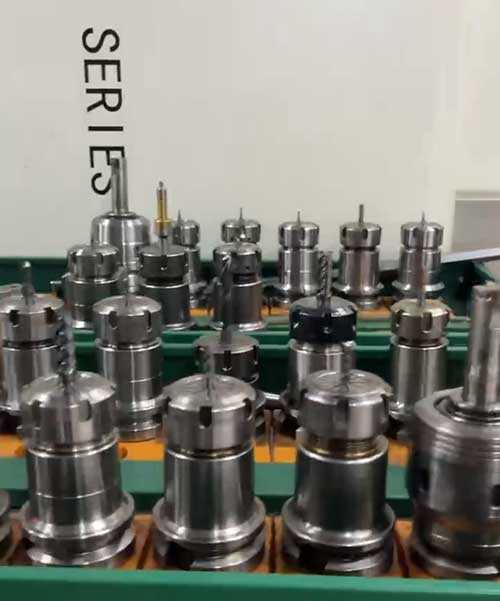
A project becomes much easier to develop when the buyer separates fixed requirements from engineering variables.
Fixed requirements might include:
- the mating component
- the maximum outside size
- a required cavity count
- a machine, rack or package the product must fit
- a brand mark that must remain
- the target finished weight or volume.
Open variables might include:
- local wall thickness
- the exact flexible feature
- the final split or parting strategy
- the support structure
- the material grade
- the prototype route.
Open variables are normal. The problem is treating them as if they were already approved.
For example, if a silicone lid must sit on an existing rigid base, the important starting evidence is the real interface and the intended locating/removal behavior. Choosing a hardness first does not define the fit.
Decide Which Engineering Problem You Actually Have
Several different tasks are often mixed together under “product development.”
If a usable 3D model already exists, the next question may be manufacturability. That belongs in a DFM and CAD modeling or modification.
If the only reliable reference is an old physical part, the project may need reverse engineering before DFM.
If the geometry is understood but the behavior is not, the next step may be a prototype that tests one specific risk.
If only photographs or artwork exist, geometry must first be defined and approved. A photograph can show shape and styling, but it cannot reliably define every hidden dimension or interface.
A good development plan names the missing decision instead of pushing every project directly toward tooling.
Prototype the Risk, Not Just the Shape
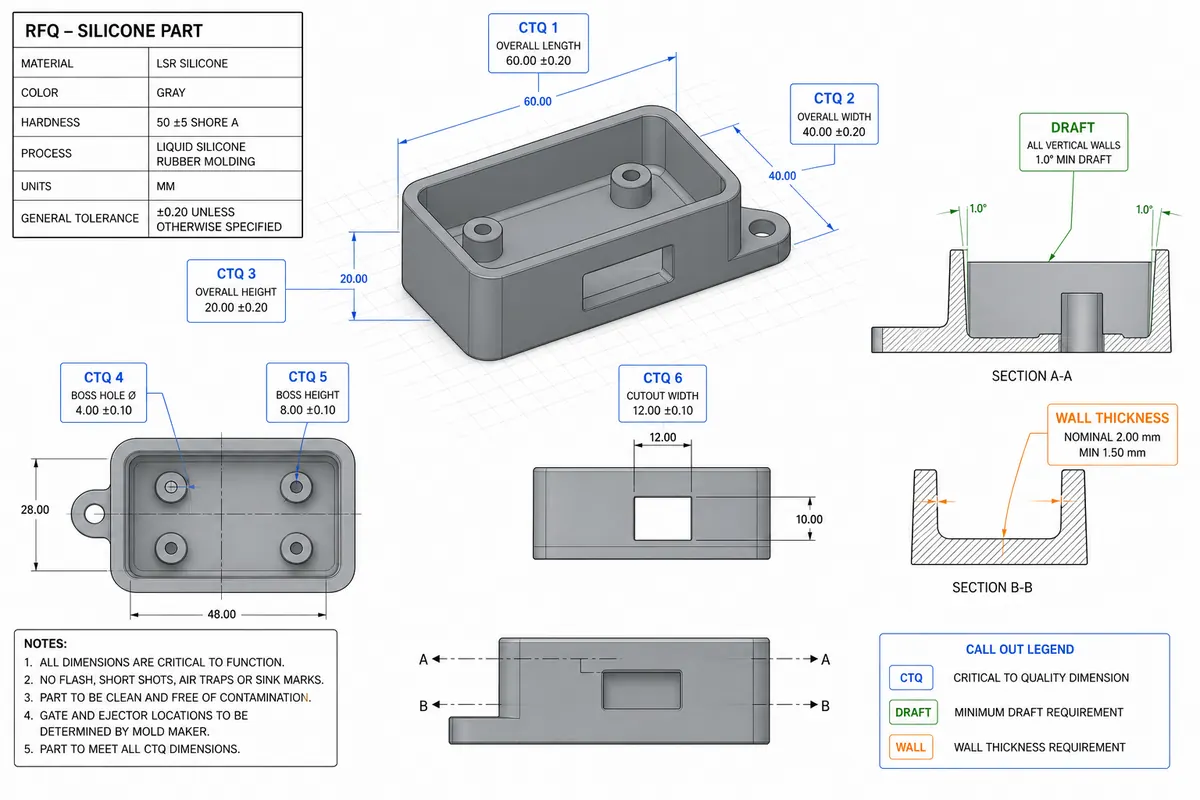
A sample is useful only when the buyer knows what it needs to prove.
For a fitted component, the test may be installation, retention or removal.
For a large tray, the important question may be what happens when the tray is filled and moved—not how flat it looks empty.
For a casting mold, the critical question may be whether the real material fills and releases without damaging the mold or the casting.
For a flexible consumer product, the question may be how the geometry stretches and returns in actual use.
Write the pass/fail question before the sample is made. Otherwise the project can produce an attractive prototype while leaving the expensive uncertainty unresolved.
Do Not Treat One Prototype Process as Proof of Every Production Risk
An early sample can answer geometry and function without reproducing the final manufacturing process.
That distinction matters.
A prototype can show that a part fits. It may not prove the flash condition of the final tool.
A small trial tray can show cavity shape. It may not prove the handling behavior of the full production layout.
A hand-built sample can show the user interaction. It may not prove injection filling or multi-cavity consistency.
Before production is released, list which risks were proven by the prototype and which still belong to the production-intent tool or first article.
Freeze More Than the CAD File
Production approval should control the information that affects the approved result.
Depending on the product, that can include:
- CAD or drawing revision
- mating interface
- material requirement
- color or surface requirement
- critical dimensions
- functional test
- approved physical sample
- packaging or support condition.
This is especially important for flexible products because the same nominal geometry can behave differently when material, wall section or support changes.
The quality-control page should own the detailed inspection and repeat-order control. Product development only needs to make sure those requirements are defined before handoff.
What to Send at the Development Stage
Send the best information that already exists:
- sketch, CAD, artwork, photos or physical sample
- what the product must do
- what it must fit
- known dimensions
- environment or contact condition
- first quantity and expected repeat demand
- the one failure you most want to prevent.
Mark unknown values as unknown instead of guessing.
That gives the engineering review a useful starting point and makes it easier to decide whether the next step is CAD work, DFM, reverse engineering or a prototype.
Main CTA: Discuss Your Product Development Project
Send a project for review
Send the file or sample, the function, and the quantity.