
Baking molds
Custom Silicone Baking Molds
WYD makes custom silicone baking molds and multi-cavity trays for food brands and bakeries that need a defined portion, branded shape or production layout rather than a stock pan. A first review can start from a drawing, physical sample, artwork or target portion; finished CAD is helpful but not required.
The key question is how the mold works when filled and heated. Tell us the product weight or fill volume, normal baking temperature and time, the pan or rack that supports the tray, and how the product is released. These details show which geometry and handling assumptions need to be tested on a sample before production tooling is committed.
For repeat-production trays, HCR/HTV compression molding with production tooling can be reviewed once the design is stable.
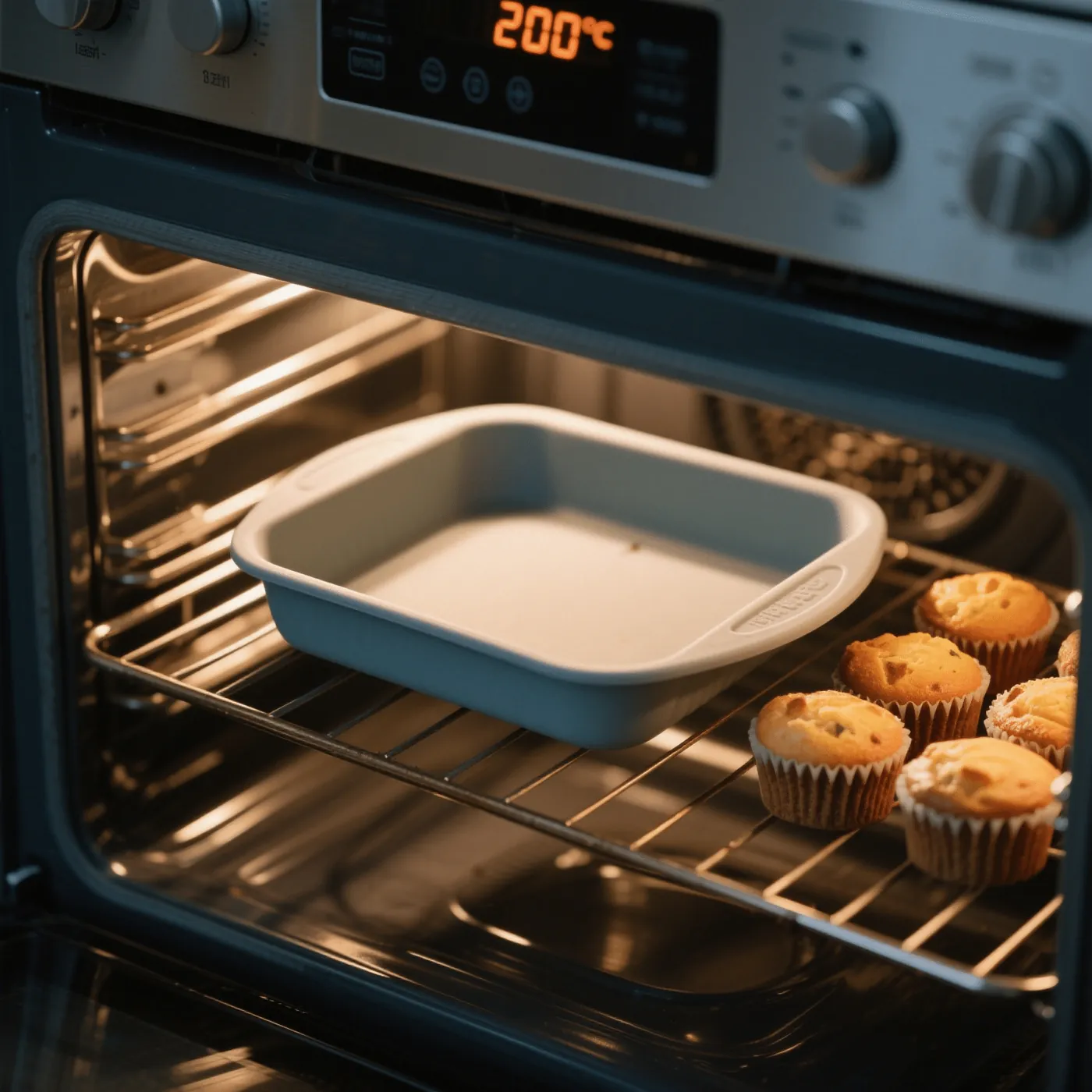
Start With the Finished Baked Product
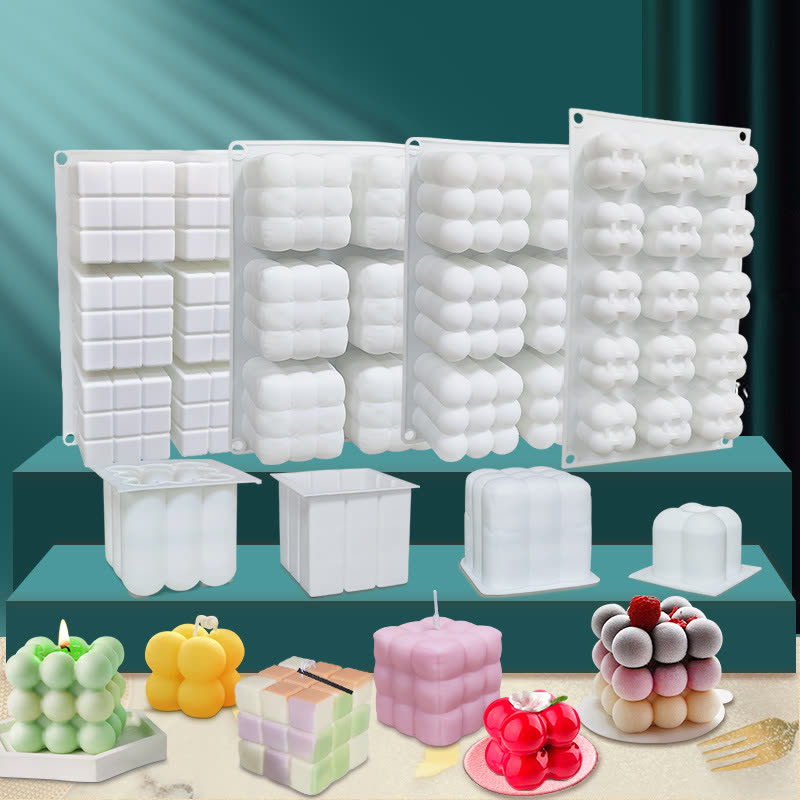
Provide:
- finished product dimensions
- target portion weight or volume if controlled
- cavity shape
- logo or decorative detail
- cavity count
- tray envelope
- baking temperature and time
- support pan/rack
- demolding method
- first order quantity and repeat forecast.
If the finished portion is still being developed, identify what is fixed and what is open.
The mold should not force the food product into an arbitrary stock cavity if brand shape, portion control or production equipment already define the requirement.
Loaded Handling Is a Structural Requirement
A large silicone tray can feel stable while empty and flex substantially when filled with batter, dough or another heavy product.
Review:
- total filled mass
- cavity depth
- tray span
- perimeter/flange
- handle location
- support pan
- oven rack
- movement from filling station to oven
- unloading after baking.
A structural problem should not be solved automatically by specifying harder silicone.
Options can include:
- local reinforcement
- wider perimeter
- support pan/frame
- revised cavity layout
- different tray dimensions.
The correct solution depends on the way the customer handles the mold.
Cavity Count Should Follow the Oven and Production Line
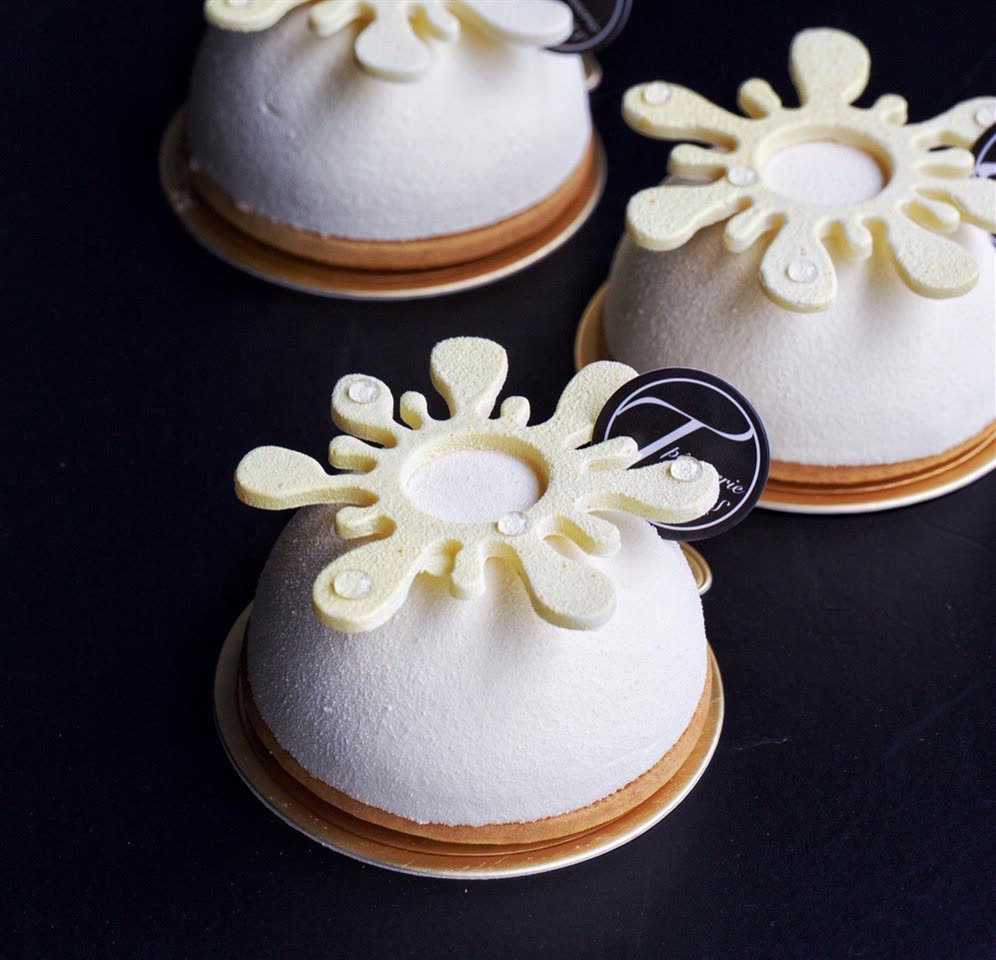
More cavities can increase batch output, but the tray still has to fit the production system.
Provide:
- oven/rack dimensions
- pan size
- preferred rows/columns
- product spacing requirement
- operator lifting limits where relevant
- target batch output.
A tray with the maximum theoretical cavity count may be too large, too heavy or too flexible in real use.
The best cavity map balances:
- throughput
- support
- heat exposure
- demolding
- tray handling.
Custom Shapes and Logos Need Release-Aware Geometry
A detailed cavity may include:
- lettering
- brand marks
- deep relief
- narrow corners
- decorative rims
- undercuts.
These features should be reviewed for both filling and demolding.
A very sharp detail can create:
- poor fill
- trapped air
- fragile baked edges
- difficult release
- tear stress in the silicone.
For branded food products, prototype the actual baked result. A logo that looks excellent in CAD may not remain readable after the customer's batter, expansion and bake cycle.
Temperature Is a Use Condition, Not a Marketing Number
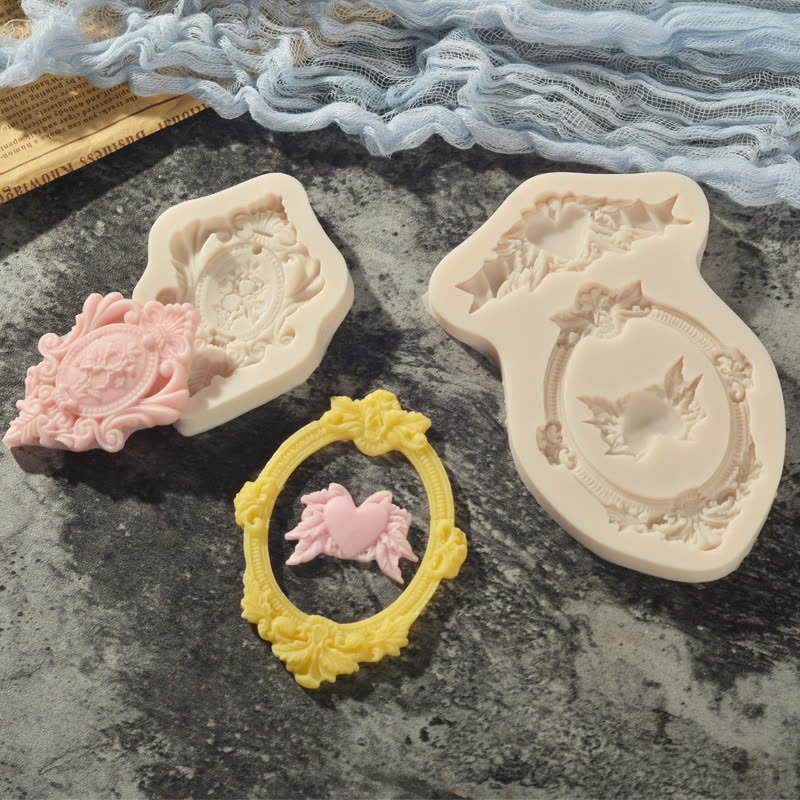
For baking projects, provide:
- normal oven temperature
- maximum expected temperature
- dwell time
- heating method
- whether the mold is filled or empty
- repeated-use condition
- cleaning method.
Do not rely on one universal silicone temperature range for every project.
The selected material must be reviewed against the actual operating condition.
Technical guide: Silicone Mold Temperature Limits
Food-Contact Documentation Is a Separate Requirement
Heat resistance and food-contact documentation are not the same thing.
For a food-contact program, tell us:
- destination market
- food type
- contact temperature
- contact duration
- repeated-use condition
- cleaning method
- buyer-required test/document standard.
Documentation should be matched to the selected silicone compound and intended use.
A generic factory certificate should not be treated as proof for every finished baking mold.
Related: Silicone Materials & Compliance
When an Internal Support Feature Becomes Part of the Product
Some baking concepts need more than simple cavities.
A real food-holding design may need:
- flexible internal fins
- closed cavity bottoms
- juice/sauce retention
- handles
- reinforced rims
- controlled support around irregular food shapes.
Those features affect:
- cleaning
- demolding
- wall transitions
- moldability
- structural stability.
For projects like this, the prototype should evaluate the real food or a representative load—not only the mold dimensions.
Prototype With the Actual Bake Cycle
A useful trial uses the intended batter or dough, fill weight, support pan or rack, and oven setting. Before baking, check whether a full tray can be carried without spills or excessive flex. After baking, compare finished portions from edge and center cavities, inspect logo detail and breakage on release, and note any unstable handling while the tray is hot. Record the mold revision and test conditions so sample approval refers to a repeatable setup, not only a good-looking photo.
A representative load can help check tray handling and oven fit, but it cannot prove recipe-dependent release, finished dimensions or surface finish. Those points need validation in the buyer's actual process before a repeat-production order is released.
Compression-Molded Production Trays
For stable repeat-production designs, HCR/HTV compression molding may provide a controlled route to repeated silicone trays.
The production tool can define:
- cavity layout
- surface
- parting line
- perimeter
- local reinforcement
- logo/detail.
Before the tool is finalized, review the filled-use condition because later structural changes can affect the entire tray.
Process page: Silicone Compression Molding
What Changes the Quote
Quotation can depend on:
- design/CAD work
- cavity count
- tray dimensions
- cavity depth
- logo/detail
- material requirement
- production tooling
- prototype bake validation
- first quantity
- repeat volume
- packaging
- freight.
Do not compare two quotations until the tooling route and included validation scope are aligned.
What to Send for a Baking Mold Quote
Food/product
- finished dimensions
- target portion weight/volume
- artwork/logo
- food type.
Tray
- cavity count
- tray-size limit
- preferred rows/columns
- handle/support requirement.
Process
- oven temperature/time
- rack or pan dimensions
- demolding method
- cleaning method.
Commercial/documentation
- prototype quantity
- first order
- repeat forecast
- target market
- required documents
- destination
- target date.
Minimum Order
MOQ: 20 pcs for WYD custom silicone mold orders.
Tooling, material, validation and freight remain project-specific.
Before you add cavities
Send a project for review
Send the finished product dimensions and target portion weight, a drawing or sample if available, the baking temperature and time, pan or rack dimensions, expected cavity count, and first order quantity. If some numbers are still open, mark them as open so the critical unknowns can be reviewed before production tooling is quoted.