
LSR
Liquid Silicone Rubber Injection Molding
WYD supports custom LSR injection molding for silicone components that benefit from controlled material metering, injection filling, precision tooling and repeat production.
LSR is a two-component liquid silicone system. The process and tooling are different from HCR/HTV compression molding and from RTV silicone mold making.
How LSR Injection Molding Works
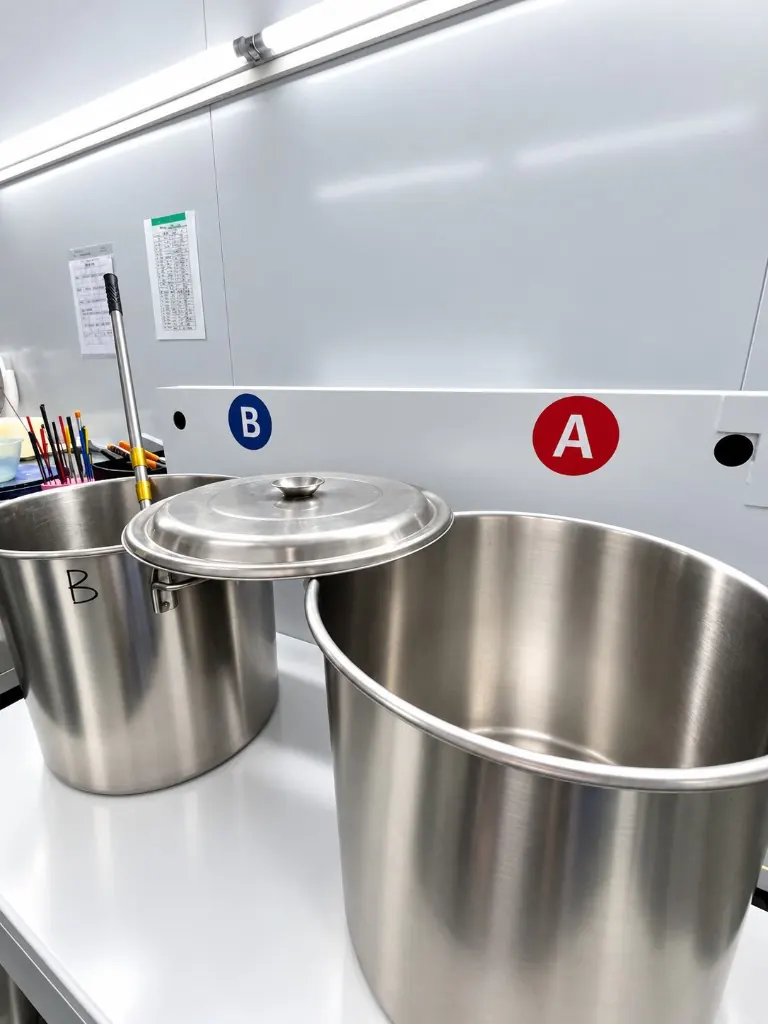
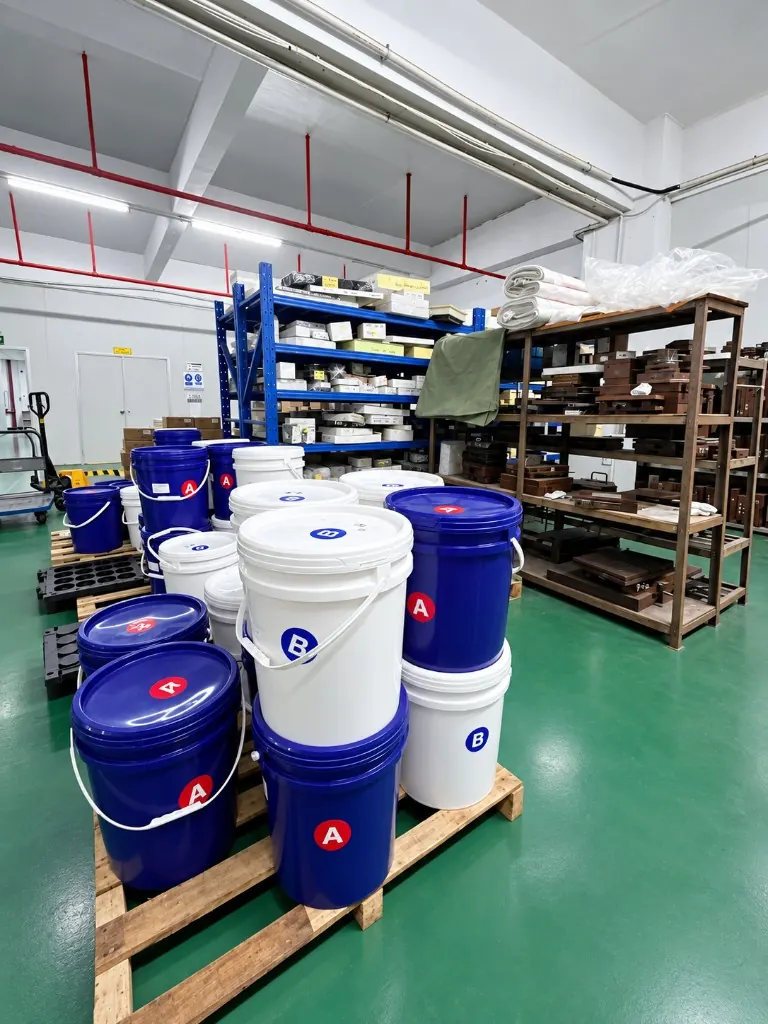
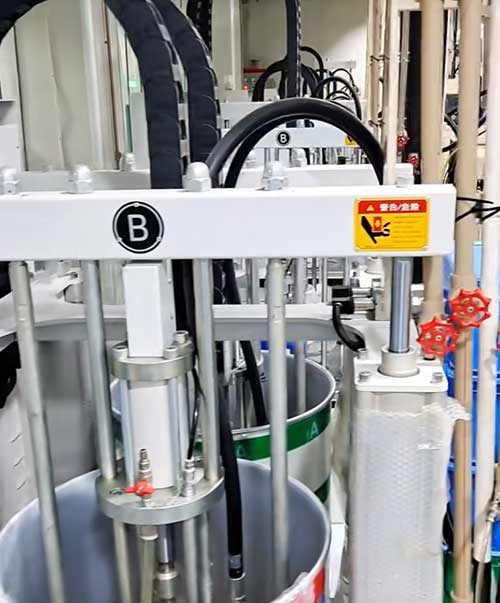
1. A/B Material Metering
LSR is supplied as two components that are metered at a controlled ratio according to the selected material system. Color or additives, where required, are introduced through the validated material process.
2. Mixing
The components are mixed before injection. Material preparation and mixing control matter because inconsistent mixing can affect cure and appearance.
3. Injection Through the Runner and Gate
The mixed LSR is injected into a heated mold through the runner and gate system. Many LSR tools use a cold-runner approach to reduce cured runner waste, but the actual runner system depends on the tool design and production requirements.
4. Cure in the Heated Cavity
The LSR cures inside the heated mold cavity. Cycle conditions are set for the selected grade, geometry and tooling. Do not treat one temperature or cure time as universal.
5. Demolding
The cured component is removed manually or with automation depending on part geometry, tool design and production volume.
6. Inspection / Secondary Operations
Depending on the product, this may include visual inspection, dimensional inspection, post-cure if required, assembly, trimming of minor flash, packaging and functional testing.
When LSR Is a Good Candidate
LSR may be worth considering when the project requires:
- thin-wall silicone geometry
- complex flow paths
- high repeat volume
- automated molding
- small precision features
- overmolding around inserts
- controlled multi-cavity production
- material properties available specifically in an LSR grade
It should not be selected only because “LSR sounds more advanced.” Tooling cost and part design must justify the process.
LSR DFM: What We Review Before Tooling
Gate Location
The gate affects filling, cosmetic appearance and possible vestige.
Venting
Air must escape as the low-viscosity material fills the cavity.
Parting Line / Flash
LSR can reproduce very small gaps, so shutoff condition and parting-line design are critical.
Wall Thickness
Very thin sections may be possible, but they still need realistic flow and structural design.
Undercuts
Silicone flexibility helps demolding, but undercuts must be assessed for tear risk and automation.
Inserts
Plastic or metal inserts need controlled location and must tolerate the molding process.
Critical Dimensions
The measurement method should reflect the fact that the final part is flexible.
LSR vs HCR/HTV Compression Molding
Both are valid silicone manufacturing routes. WYD offers both processes.
Consider LSR when:
Injection filling solves the geometry better; automation matters; higher repeat volume supports tooling cost; a specific LSR compound is required; the part includes fine features or thin sections suited to injection.
Consider HCR/HTV compression when:
Geometry is well suited to compression tooling; part economics favor simpler tooling/process; the selected material is HCR/HTV; production volume does not justify an LSR system.
What an LSR Prototype Must Prove
A prototype made by another process can prove shape or fit, but it does not fully prove an LSR production tool. Production-intent validation should consider:
- gate appearance
- venting
- flash
- cavity filling
- dimensional repeatability
- insert position
- demolding
- automation feasibility
- material cure
- functional performance
LSR Overmolding and Insert Molding
LSR can be molded around suitable plastic or metal inserts. Before assuming chemical adhesion, define:
- substrate
- insert material grade
- mechanical retention features
- required pull/peel/torque performance
- substrate temperature limits
- primer or bonding system, if any
- cosmetic requirements at the interface
The bond must be validated on the real material system.
Confirm the route before the tool
What to Send for a Quote
- 3D file
- drawing with CTQs/tolerances
- intended use
- required LSR grade if already specified
- Shore hardness
- color
- inserts
- annual volume
- first order quantity
- cosmetic requirements
- required documentation
- functional test requirement
Request an LSR Engineering Review
Send the drawing and production plan. We will confirm whether LSR is the right route.