
Master-based casting molds
RTV Silicone Mold Making
WYD manufactures custom RTV silicone molds for casting resin, plaster, gypsum, wax, soap and other compatible materials.
RTV is a room-temperature-curing silicone process. It is especially useful for complex 3D geometry, deep undercuts, sculptures, figurines, prototype molds and lower-volume casting applications where a flexible mold is more practical than machined production tooling.
WYD offers RTV silicone mold making as well as HCR/HTV compression molding.
Correct RTV Mold Process
A typical master-based RTV project follows: Reference / CAD → 3D Model → Resin Master Model → Mold Planning → RTV Silicone → Cure → Demold → Test Casting.
The resin master model is the solid object used to create the mold. Do not call the resin master a “mother mold.”
A mother mold / support shell is a rigid external shell used to support the flexible silicone when necessary.
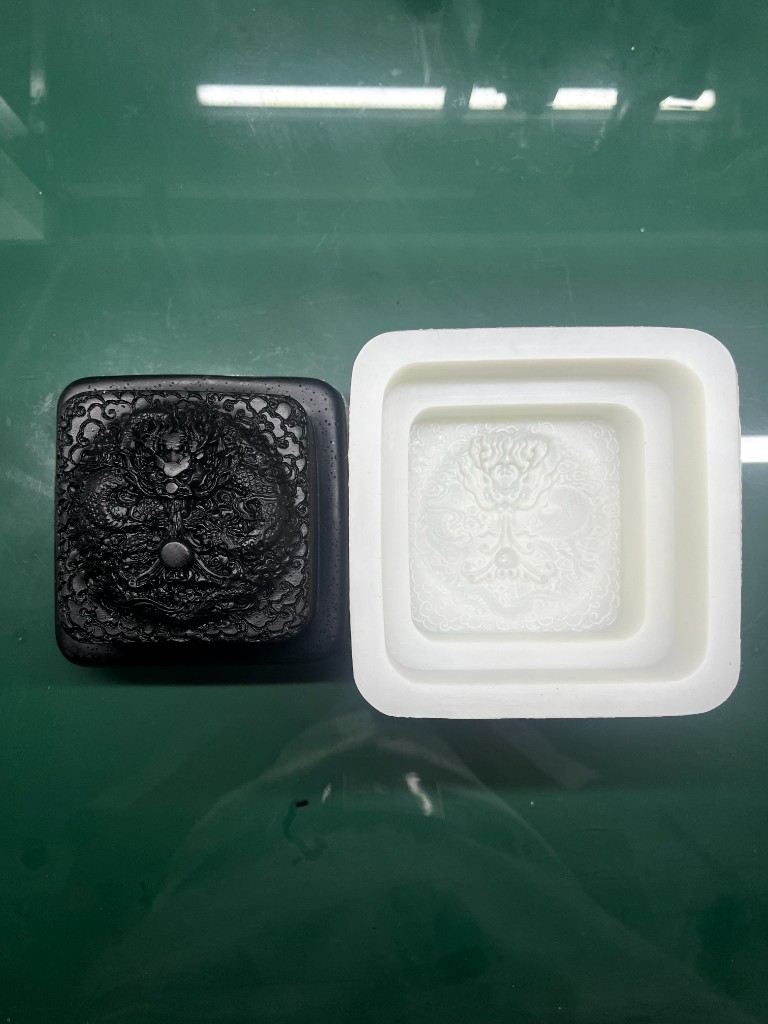
One-Piece Open Mold
Best for:
- flat-back parts
- simple ornaments
- shallow cavities
- parts that can release from one side
Advantages: simplest structure, lower labor, easy pouring, minimal seam. Not suitable for every full-3D design.
Split / Two-Part RTV Mold
Used when:
- geometry is full 3D
- undercuts prevent one-direction release
- seam location needs control
- pour/vent paths are required
Design features may include registration keys, pour opening, vents, controlled split line and clamping/support features.
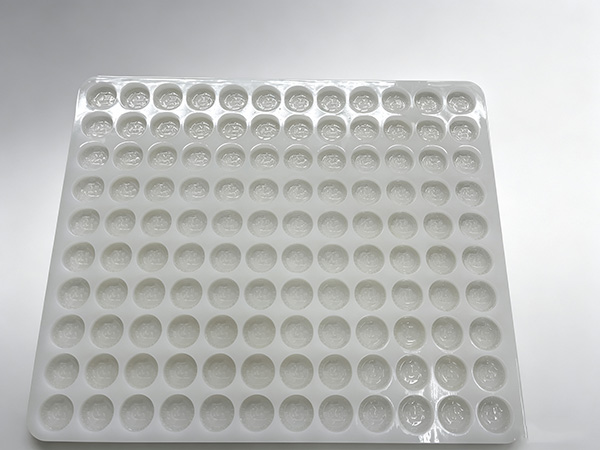
Slit Mold
A planned slit can be useful for certain 3D shapes where the silicone can flex open for demolding without requiring a complete two-part mold.
The slit should be positioned to reduce visible seam, avoid tearing and allow reliable re-closing.
Inner Core
A removable core may be required when the finished casting includes:
- internal hollow region
- cavity
- opening
- wall section that cannot be formed by the outer mold alone
Core retention and removal should be planned before the master is made.

Mother Mold / Support Shell
Large or heavy casting molds may need a rigid outer shell because flexible silicone alone can bulge or deform under the casting material.
The usual structure is: Casting cavity / master geometry → flexible RTV silicone skin → rigid support shell.
The silicone reproduces detail and allows demolding. The rigid shell maintains the external form.
Resin Master Model
The quality of the RTV mold depends heavily on the master. Before molding, check:
- surface finish
- scratches
- layer lines
- logo/detail
- dimensional accuracy
- draft/release
- sealing of porous surfaces where relevant
Whatever exists on the master can transfer into the silicone cavity.
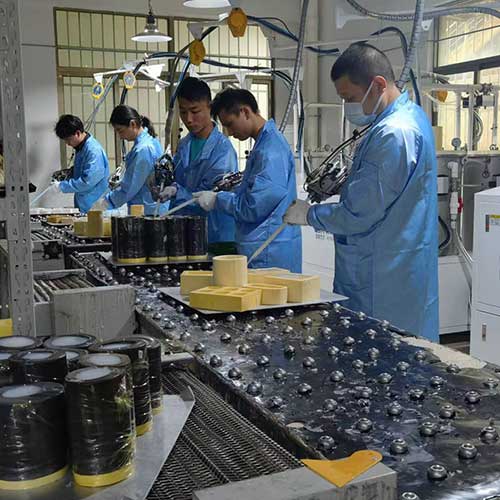
Silicone Selection
RTV hardness should be selected according to:
- mold size
- undercuts
- detail
- demolding force
- tear risk
- need for support
- casting material
There is no single Shore hardness suitable for every RTV mold. Selection depends on geometry, release requirements and support. For food-contact applications, the silicone grade and documentation must be selected for that specific use.
Test Casting
When practical, validate the prototype mold with the actual casting material. Check:
- fill
- air traps
- seam
- detail
- demolding
- tearing
- casting breakage
- mold distortion
- surface finish
For plaster/gypsum figurines, fragile details such as fingers, wings, swords and thin protrusions should be reviewed during 3D/DFM before the master is made.
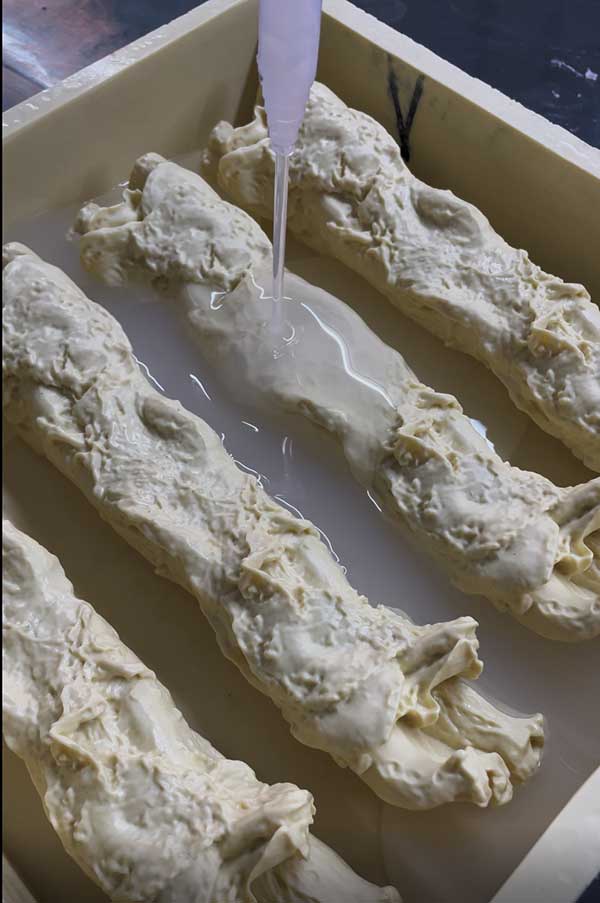
RTV vs Steel Tooling
RTV is not simply the “cheap version” of a steel tool.
RTV can be the technically correct production mold for complex sculptures, 3D figurines, strong undercuts, plaster/resin casting, low-volume development, and projects requiring flexible peel-off demolding.
Steel tooling and HCR/HTV compression molding are better suited to many repeat-production silicone trays and finished silicone products.
Choose by application, not by a quality hierarchy.
What to Send
- STL/STEP if available
- photos/artwork if no 3D
- final casting size
- casting material
- one-piece or full-3D form
- undercuts
- desired number of cavities
- number of molds required
- surface finish
- destination
- whether test casting is required
Send Your RTV Mold Project
Send your 3D file, sample or reference images and tell us what you plan to cast. We will recommend one-piece, slit, split, core or supported RTV construction.