
Prototype is not tooling. Prototype = sample used to verify the design (3D print, CNC, or a few soft pieces). Tooling = the production mold used to make parts. Quote them as separate lines. Full table: Prototype vs tooling.
A silicone prototype is useful when it answers a specific uncertainty before production.
The question is not simply:
> “Can you make one sample?”
The better question is:
> “What does this sample need to prove before we spend more on tooling or production?”
Prototype strategy should follow the risk being tested rather than a generic sample route. Custom molds and finished silicone products may need different prototype methods, and a simplified sample does not automatically prove the final production process.
The prototype route depends on what must be learned.
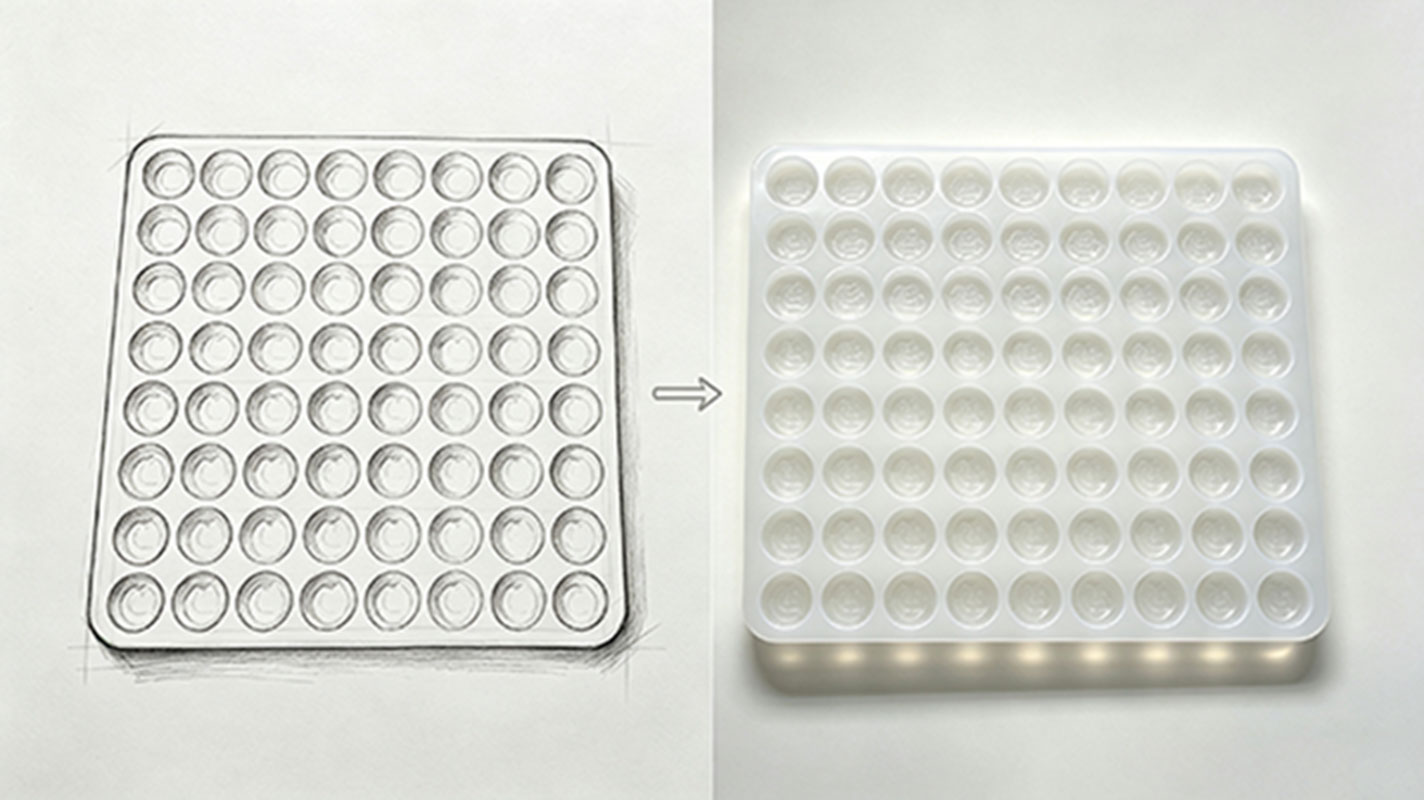
Start With the Risk You Need to Remove
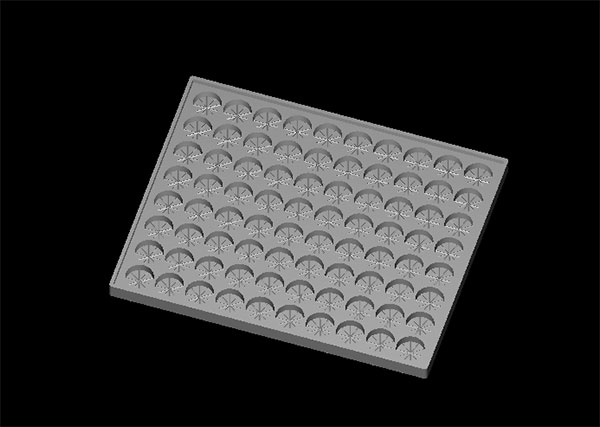
Common prototype questions include:
- Does the part fit the real mating component?
- Does the mold demold the actual casting?
- Is the Shore/feel appropriate?
- Does the tray stay stable when filled?
- Does a gummy cavity produce the required portion?
- Does the stick slot survive frozen demolding?
- Does an overmolded insert stay in position?
- Is the logo/detail visible in the final product?
- Does the gasket seal in the customer's assembly?
- Can the operator assemble or remove the part without excessive force?
Write the test before deciding how the sample should be made.
A beautiful prototype that does not test the main failure mode can still leave the most expensive risk unresolved.
Geometry Prototype vs Production-Intent Prototype
These are not the same.
Geometry / concept prototype
Useful for:
- overall shape
- ergonomics
- visual review
- basic assembly
- approximate fit
- early design direction.
It may use a simplified route because the goal is learning quickly.
Production-intent prototype
Uses the intended or representative:
- material
- tooling concept
- process
- insert
- finish
- cavity layout
- critical inspection method.
It is more useful when approving a design for repeat production.
If the final part will be LSR injection molded, a hand-built sample may prove fit but cannot automatically prove:
- gate behavior
- venting
- flash
- cavity balance
- automated insert loading.
Likewise, a small RTV sample can prove a casting releases, but it may not prove the handling behavior of a large compression-molded production tray.
Prototype Custom Silicone Molds With the Actual Casting Process
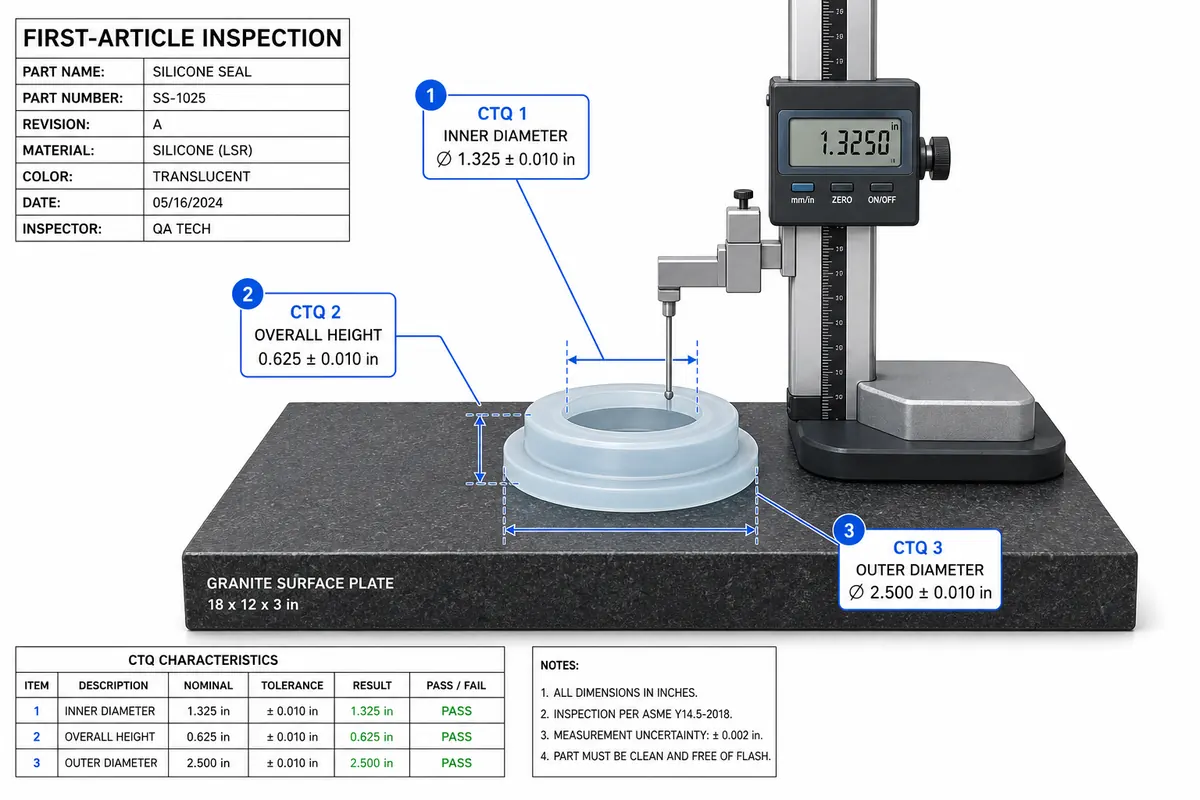
For molds, the sample should be evaluated with the material that will be poured, deposited, frozen or baked.
Resin / plaster / candle / soap
Check:
- fill
- air escape
- release
- seam
- fragile detail
- support
- surface quality.
Food trays
Check:
- target weight/volume
- cavity detail
- tray stability
- demolding
- equipment compatibility
- cleaning/use conditions.
Popsicle / ice
Run a real freeze cycle.
Baking
Use a real or representative bake cycle and loaded condition.
The empty mold is only part of the prototype.
Prototype Finished Silicone Products on the Real Assembly
For a finished silicone product, test the sample with the actual hardware wherever possible.
Examples:
Cover / sleeve
Check:
- installation force
- retention
- port alignment
- repeated removal
- edge lifting.
Gasket
Check:
- groove fit
- compression
- assembly torque
- leak/seal function.
Keypad
Check:
- travel
- tactile feel
- PCB/contact alignment
- assembly.
Overmold
Check:
- insert position
- peel/pull/torque
- cosmetic boundary
- shutoff.
A standalone silicone part can pass dimensional inspection and still fail in the complete assembly.
Use Two Prototype Variants When One Variable Is Uncertain
Sometimes the fastest learning comes from comparing two controlled options.
Examples:
- two Shore hardnesses
- two logo depths
- two wall sections
- two snap-bar break-line geometries
- two interference values
- two support concepts.
Change one important variable at a time where possible.
If every dimension changes between Sample A and Sample B, the result may not explain why one version performs better.
Record what changed.
Physical Samples Can Be Better Than Perfect Drawings for Fit Problems
When a project must fit an existing object, the real mating part may reveal geometry that the drawing does not capture.
Examples include:
- a silicone lid for a physical container/base
- a protective cover for an existing housing
- a gasket for a machined groove
- a replacement silicone part copied from a worn sample.
In these cases, useful prototype work can include:
- measuring the actual sample
- reconstructing CAD
- comparing nominal vs worn geometry
- fitting the sample to the real assembly
- adjusting local interference or locating features.
The objective is not to “copy the old part blindly.” It is to establish the geometry that makes the new part work.
What a Prototype Cannot Prove
This is just as important.
A prototype may not prove:
- final high-volume cycle time
- full multi-cavity variation
- long-term life
- final automation
- all environmental aging
- final regulatory approval
- final device-level sealing
- final production scrap rate.
Do not turn a small successful sample into a universal performance guarantee.
The buyer should identify which items require later pilot or production validation.
Define Pass/Fail Before the Sample Is Made
Useful acceptance criteria can include:
- CTQ dimensions
- fit
- target weight/volume
- demolding result
- seal
- pull/peel/torque
- tactile response
- surface/logo
- equipment compatibility
- filled tray stability.
Avoid generic standards such as one tolerance or one defect rate for all silicone projects.
The correct criteria come from the application and drawing.
Related guide: Prototype Approval Checklist
Move From Prototype to Pilot Deliberately
After a successful prototype, ask:
- Is the design frozen?
- Is the production process the same as the sample process?
- Are material and color fixed?
- Are production inserts/hardware available?
- Are CTQs defined?
- Does the production tool need a larger cavity count?
- Does the customer need a pilot lot before full repeat production?
If the production process changes, some tests may need to be repeated.
For example:
- geometry fit may carry forward
- final flash condition may not
- parting line may change
- cavity balance may change
- tooling-related shrinkage may change.
The transition should be documented rather than assumed.
Freeze the Production Reference After Approval
After the sample passes, record:
- CAD/drawing revision
- material
- Shore if specified
- color
- tooling/master revision
- inserts/hardware
- CTQs
- functional test
- cosmetic reference
- packaging
- documentation requirement.
This becomes the handoff to production and repeat orders.
Related: Silicone Quality Control
What Changes Prototype Cost and Timing
Prototype scope can vary greatly.
Drivers include:
- design maturity
- CAD/reverse engineering required
- process
- master or tool
- material
- number of variants
- inserts/hardware
- testing
- customer-supplied mating parts
- quantity
- shipping.
A simple geometry check is not the same scope as developing two hardness variants, a custom insert and a functional fixture.
Exact timing is quoted after the sample objective and route are clear.
What to Send for a Prototype Review
- current CAD/drawing/sample/images
- what the final product must do
- the one or two highest-risk unknowns
- mating parts
- casting/formulation if it is a mold
- material/Shore target if already validated
- prototype quantity
- final production estimate
- functional test
- target market/documents
- target date.
If the design is not complete, say which features are still open.
Send a project for review
Send the file or sample, the function, and the quantity.