
Silicone Bumper and Vibration Damping Design
Design silicone bumpers and vibration pads around load, deflection, geometry, hardness, temperature, mounting and actual system testing.
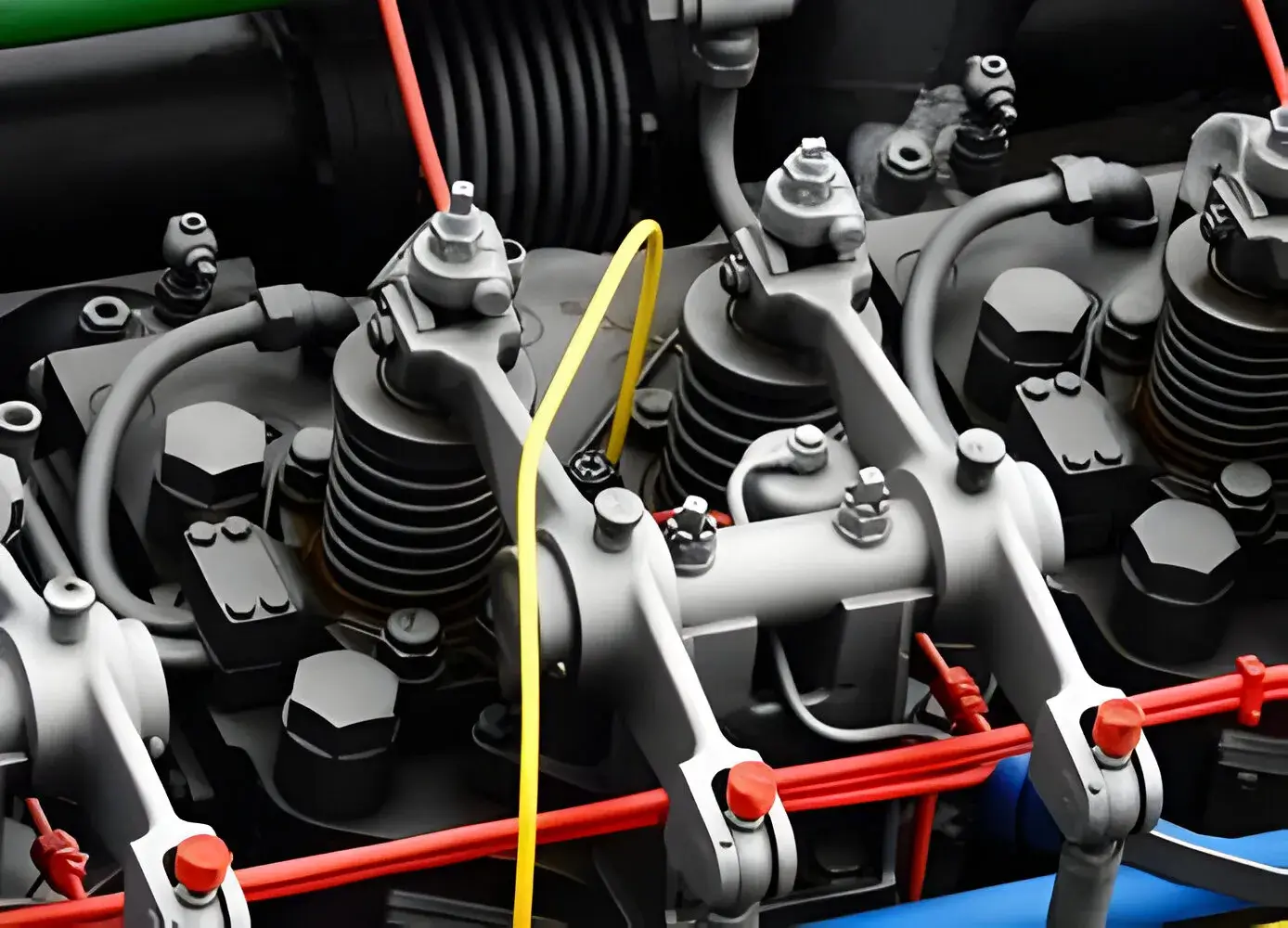
A silicone bumper is not specified by Shore A alone.
The system response depends on:
- load
- contact area
- height
- shape
- compression
- mounting
- temperature
- excitation/vibration condition
Define the Function

Is the part intended to:
- stop impact
- reduce noise
- isolate vibration
- provide preload
- protect a housing
Each objective needs a different test.
Load and Deflection
The same material can feel soft or stiff depending on geometry.
A tall narrow bumper and a short wide pad made from the same Shore A can behave very differently.
Compression
If the bumper operates under permanent preload, review:
- compression set
- operating temperature
- long-term height recovery
Do not design from initial softness only.
Shape
Geometry can tune response through:
- hollow sections
- ribs
- domes
- tapered sections
- slots
This may achieve a target load-deflection curve without changing material.
Mounting
Possible methods include:
- molded stud
- hole
- adhesive
- overmold
- press/interference fit
Mounting must survive the same vibration/impact environment.
Temperature
Material stiffness and recovery can vary with operating condition.
Test where function is sensitive.
Prototype System Test
A material coupon does not prove vibration isolation in the full assembly.
Test:
- installed part
- expected load
- real mounting
- representative vibration/impact
- temperature if relevant
Compression Deflection Curve
For engineered bumpers, a load-deflection curve is more useful than Shore hardness alone.
Prototype several geometries if necessary and record:
- load
- deflection
- recovery
- permanent set
Bottoming Out
A bumper that compresses fully can transmit a sharp impact.
Design enough travel or progressive geometry so the part does not bottom out under normal maximum load.
Resonance / Isolation
Vibration isolation depends on the full mass-spring system. A silicone supplier can tune geometry/material, but the system engineer should validate performance in the actual machine or device.
Multiple Mounts
If four bumpers support a housing, load may not divide perfectly equally because of:
- flatness
- center of gravity
- mounting tolerance
Test the assembly, not just one bumper coupon.
Hysteresis and Heat Build-Up
Repeated deformation can dissipate energy as heat. In high-frequency use, the bumper may behave differently from a one-time compression test.
Where damping performance matters, validate the installed part under representative frequency, amplitude and temperature.
Geometry Revision Is Often Cheaper Than Material Revision
If the first prototype is too stiff or too soft, changing:
- dome height
- hollow volume
- rib section
- contact area
may tune the response without changing the approved silicone grade. This can simplify material documentation and color control.
Related WYD Pages
Final Recommendation
Specify the load/deflection or functional result you need. Material hardness is only one tuning variable.
Ready to order custom silicone molds?
Send your drawing, sample or project requirements for DFM and quotation.