
Custom Silicone Plaster Molds for Figurines, Reliefs and Repeat Casting
Custom RTV silicone plaster molds for figurines, reliefs and decorative casting. Learn when to use open-back, slit, split or supported mold structures.
On this page
Plaster mold projects often look simple in 2D artwork and become much more demanding once the design is turned into a repeatable casting tool.
A successful plaster mold needs to reproduce detail, release without breaking fragile plaster features, stay dimensionally stable during pouring, and survive repeated flexing at the same demolding points.
WYD manufactures RTV silicone molds for plaster, gypsum and similar casting programs. Projects can start from a finished 3D file, 2D artwork, a physical master or a reference object.
Flat-Back Figures: Keep the Mold Simple When You Can
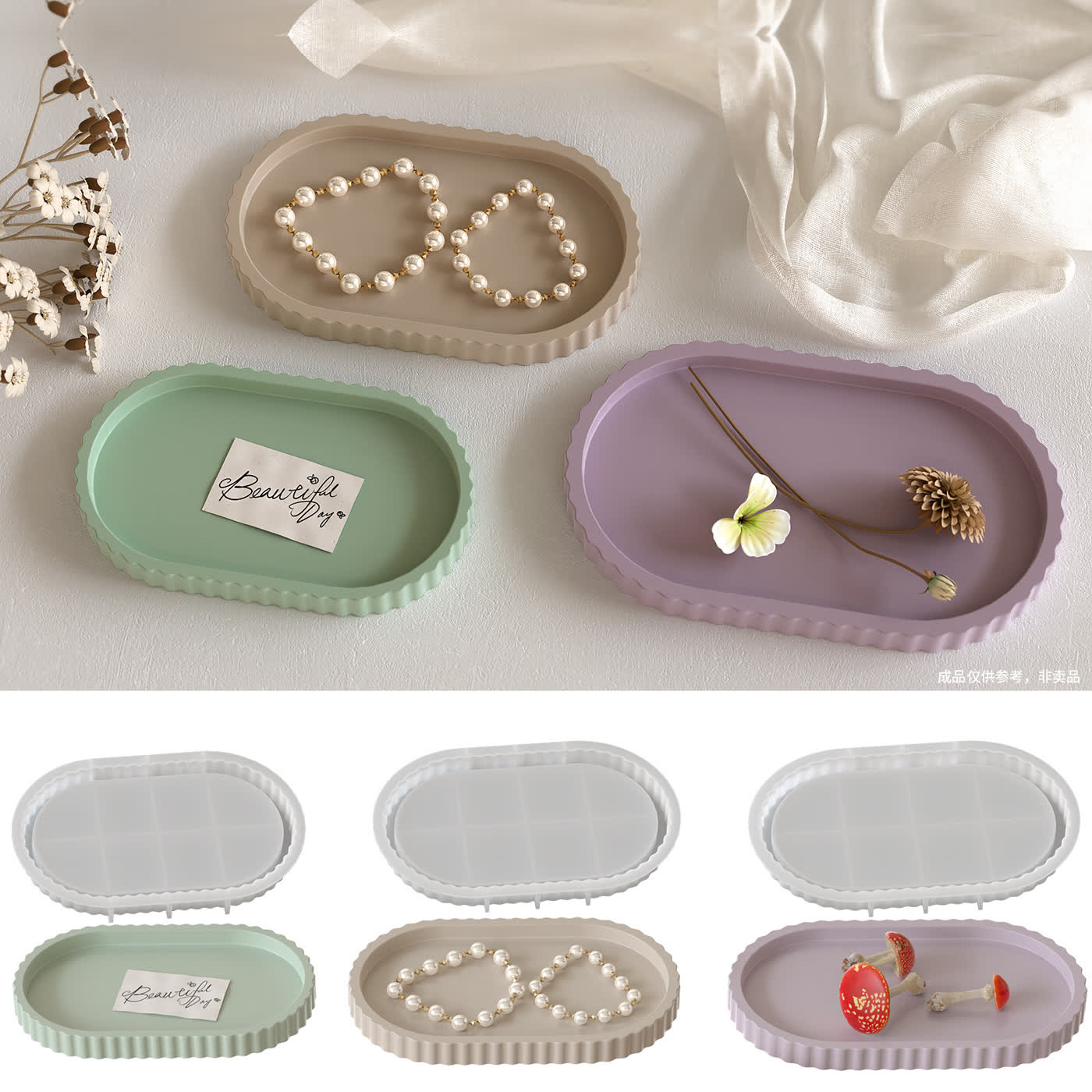
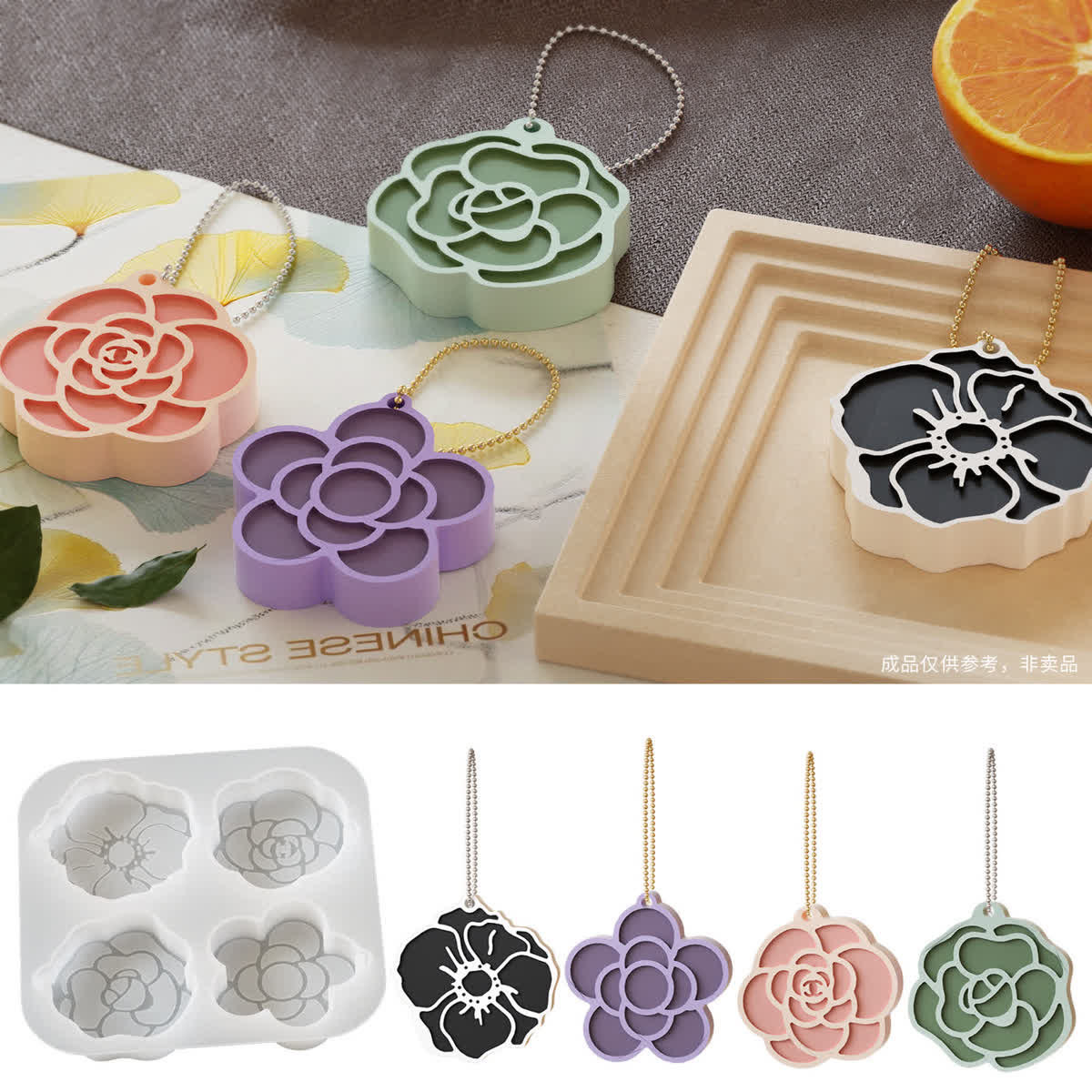
For a flat-back ornament or relief, a one-piece open-back mold is often the most efficient structure.
This can work well when:
- the back is flat
- the design releases in one main direction
- there are no severe hidden undercuts
- thin protrusions are controlled
- the part can be supported during demolding
The open back becomes the pouring face. This reduces split lines and makes filling simple.
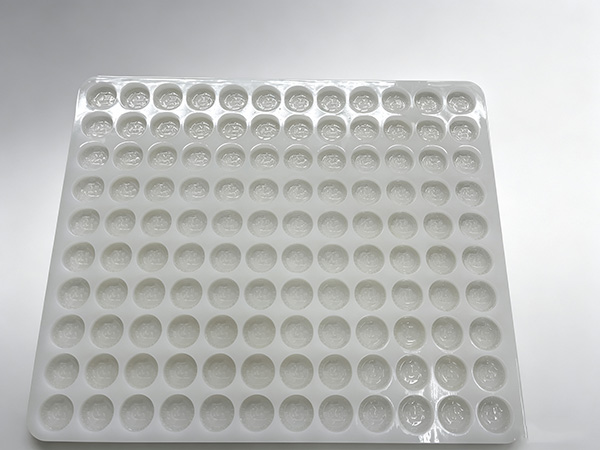
For a collection of small Nativity figures, decorative plaques or fridge-magnet style forms, several figures may also be grouped in one multi-cavity mold if cavity spacing and demolding access remain practical.
Full 3D Figures: Plan the Split Before Making the Mold
A full 3D bust, statue or figurine normally needs a split or multi-part mold.
The split location should consider:
- face and cosmetic surfaces
- hair or beard detail
- hands and thin accessories
- necks or narrow sections
- deep folds in clothing
- hidden undercuts
- how the plaster part will be removed without twisting
A good split is not simply the shortest line around the object. It should create a demolding path that protects both the silicone and the cast part.
When a Rigid Mother Mold Is Needed
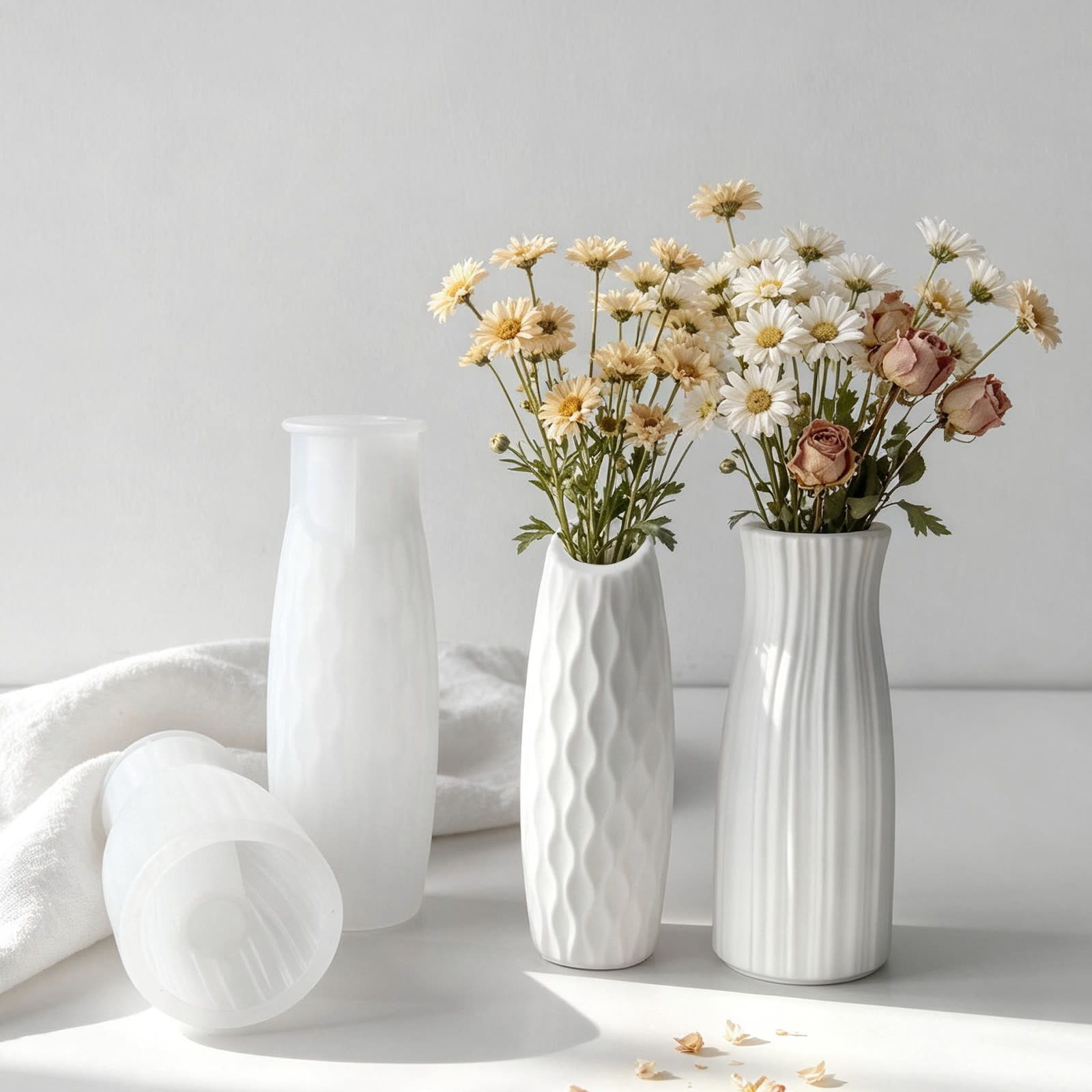
A mother mold is a rigid support shell around a flexible silicone mold.
It may be useful when:
- the silicone mold is large
- the walls are flexible
- the mold must keep a precise outer shape during pouring
- a full 3D mold would otherwise distort under the weight of plaster
- repeat alignment is important
The mother mold is not the resin master. The master is the object being copied; the mother mold supports the flexible silicone after it is made.
Designing for Plaster, Not Only for Appearance
Plaster is brittle compared with resin or silicone.
That means some details that look attractive in artwork can be risky in casting.
High-risk features include:
- very thin fingers
- unsupported horns
- narrow ankles
- deep hooked undercuts
- sharp feather or leaf tips
- thin decorative borders
- deep negative text
The solution may be to thicken a feature, reduce the undercut, adjust orientation or change the split. This is why a 3D approval stage matters before the RTV mold is poured.
From 2D Artwork to a 3D Master
When the customer only has artwork, the workflow can be:
- review front/side references and dimensions
- create the 3D relief or full 3D model
- send renderings for approval
- revise proportion and detail
- print or machine the resin master
- finish the master surface
- make the RTV silicone mold
- perform a plaster casting test when included in the project
For sculptural work, the approved 3D model should be treated as a controlled revision. Do not move to mold making while face, proportions or key details are still changing.
Multi-Cavity Plaster Molds
Multiple figures can share one silicone mold when practical.
Consider:
- cavity spacing
- pour access
- mold footprint
- silicone thickness between figures
- demolding direction
- whether one difficult cavity forces the entire mold to be too soft or too complex
A 10-cavity flat-back decorative mold, for example, can be practical. Ten full-3D figures with different deep undercuts may be better split into smaller mold groups.
Silicone Hardness for Plaster Molds
There is no universal “best Shore A.”
A softer silicone can help release undercuts, but too much flexibility may let a large mold deform during pouring. A harder silicone may hold shape better but increase demolding stress.
The correct choice depends on:
- mold size
- undercut depth
- wall thickness
- whether a support shell is used
- casting geometry
- repeated demolding route
Mold Weight and Quotation
RTV mold weight cannot be estimated accurately from outer dimensions alone.
A better approach is:
outer silicone envelope − cavity/master displacement − intentional hollow/support volumes
Then apply the selected material density and add allowances for mold walls, keys, parting structures and waste.
For a quote, send:
- final part dimensions
- photos or 3D file
- whether it is flat-back or full 3D
- number of cavities
- expected mold quantity
- casting material
- whether test casting is required
- shipping destination
Validation Before Shipment
For plaster programs, a test casting can reveal issues that are not visible in the empty mold:
- trapped air
- poor venting
- fragile feature breakage
- difficult demolding
- split-line mismatch
- thin silicone tear zones
- mold distortion
Where the project is detail-critical, a physical plaster test is a valuable acceptance step.
Related WYD Pages
FAQ
Can several plaster figures be combined in one mold?
Yes, where cavity spacing, pouring and demolding remain practical. The best grouping depends on geometry, not only on cavity count.
Can WYD create the 3D model from a drawing?
Yes, for suitable projects. The 3D model should be approved before the physical master and silicone mold are made.
Do full 3D plaster figures need a mother mold?
Not always. A rigid support shell is used when the flexible mold needs structural support.
Can you do a plaster casting test before shipment?
This can be included for projects where functional validation is important.
Send Your Plaster Mold Project
Send the artwork, dimensions, expected casting material and mold quantity. If you only have 2D art, include as many views and references as possible so the 3D development scope can be defined first.
Ready to order custom silicone molds?
Send your drawing, sample or project requirements for DFM and quotation.