
Food-Contact Silicone Documentation: What Buyers Should Request | WYD
Understand silicone food-contact documents: material TDS/SDS, supplier CoA, U.S. 21 CFR 177.2600 evidence, EU requirements, batch traceability and finished-use validation.
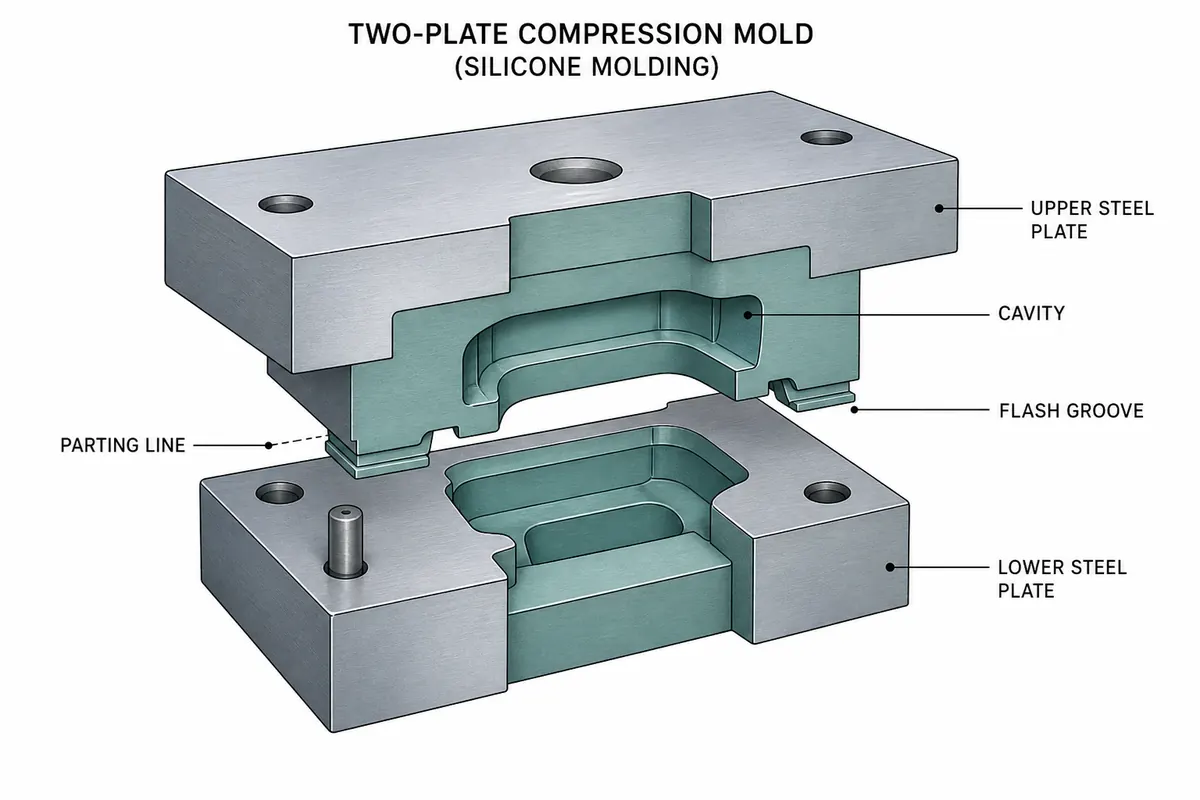
There is no single universal “FDA/LFGB certificate pack” that proves every silicone mold is suitable for every food application.
The documents you should request depend on silicone compound, food type, contact temperature, contact duration, repeated-use condition, destination market, customer/retailer requirements, and whether evidence is for raw material or finished article.

1. Material Identification Documents
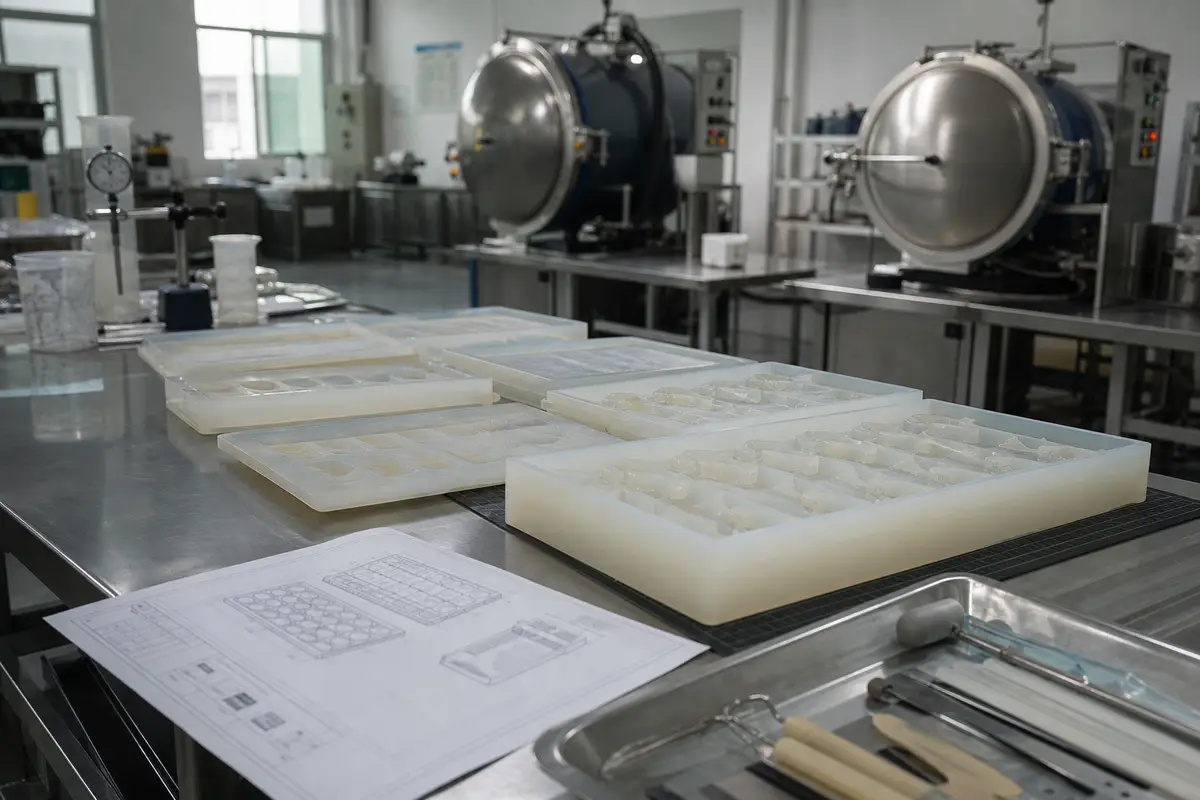
TDS shows typical material properties and processing information. SDS provides hazard, handling and safety information. An SDS is not, by itself, proof of food-contact compliance. Supplier CoA / batch information may document batch-specific properties or identity where the material supplier provides it.
2. U.S. Food-Contact Evidence
For relevant repeated-use rubber articles, buyers may reference 21 CFR 177.2600. This regulation includes compositional and extractives provisions for rubber articles intended for repeated use.
Do not describe 21 CFR 177.2600 as “FDA factory approval,” a universal certificate for every silicone article, or proof that the finished product is suitable for every food/temperature/time condition. Ask which exact compound/article was tested and whether the report matches the supplied product.
3. EU Food-Contact Requirements
For EU programs, buyers may reference Regulation (EC) No 1935/2004, Regulation (EC) No 2023/2006 on GMP, applicable national requirements, buyer/retailer specifications and relevant technical guidance. Do not use LFGB as if it were one universal EU silicone certification covering every food-contact product.
4. Raw Material Report vs Finished Article
A raw compound report helps identify the material system. The finished article can also be affected by pigment, additives, cure conditions, post-cure, contamination, processing and final use condition. For higher-risk programs, confirm whether the customer requires evidence on raw compound, finished molded article, specific color, or specific food simulant / contact condition.
5. Batch / Lot Traceability
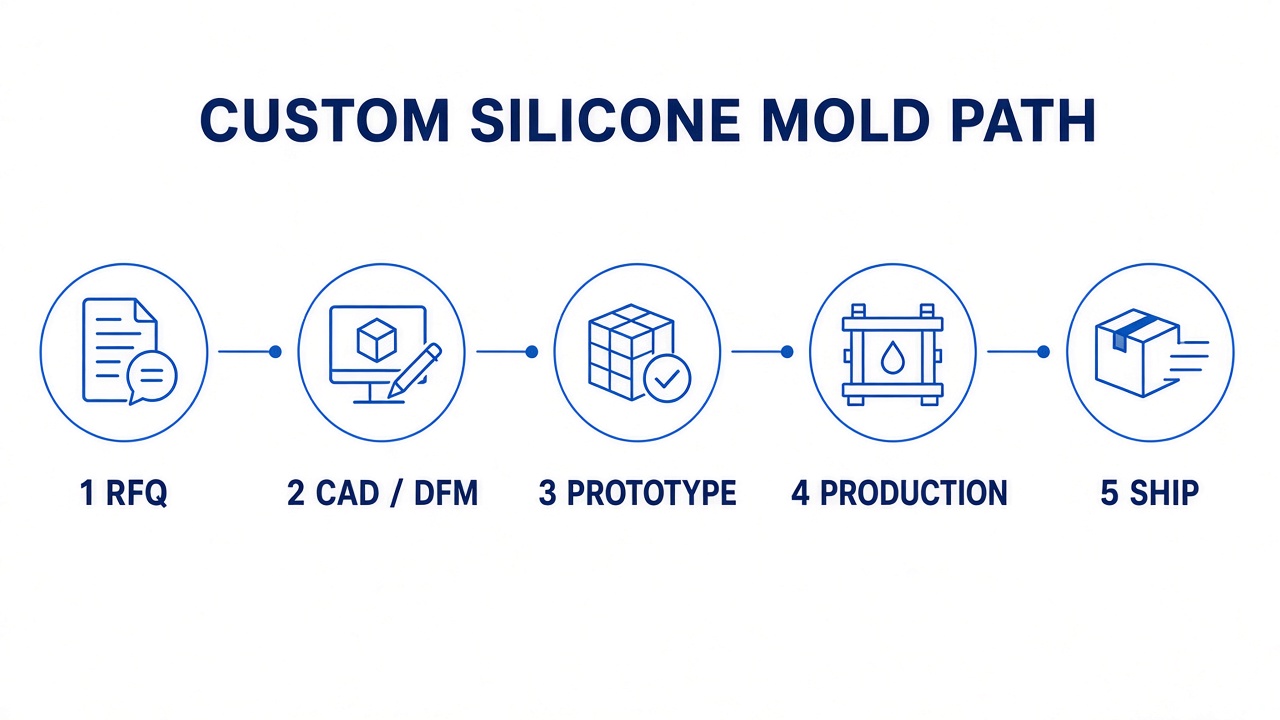
Possible records: material lot, production batch, tooling ID, color batch, production date, inspection record, CoA where agreed. The required level should be agreed on the PO/specification.
6. Cavity Weight Verification Is QC, Not Regulatory Compliance
A cavity-weight chart can be useful for gummy/chocolate/portion-control projects. It helps validate cavity consistency, target piece weight and production setup. It is not a food-contact compliance certificate. Keep regulatory documentation and process/QC records separate.
7. What to Ask the Supplier
- What exact silicone compound will be used?
- Which cure system?
- Which food-contact report applies to that material/article?
- Which market does the report address?
- Does the report cover the relevant contact condition?
- Are pigment/color changes covered?
- What batch/lot records are available?
- Can the material supplier be identified?
- Is additional finished-article testing required?
8. When to Re-Review Documentation
Re-review when material supplier, silicone grade, formulation, pigment, process, cure/post-cure, intended use, market or customer requirement changes. Do not publish one universal annual review period unless it is part of a specific buyer/quality system.
9. Document Retention
Retention periods should follow applicable legal requirements, customer contracts, quality system requirements and retailer/program requirements. Do not publish one fixed retention table as universal law.
Food-Contact RFQ Template
Product:
Food/contact material:
Country/market:
Contact temperature:
Contact duration:
Repeated use: YES / NO
Silicone grade requested:
Color:
Required regulation/test:
Raw material report required: YES / NO
Finished article test required: YES / NO
Batch CoA/traceability required:
Customer/retailer specification:
Tell us the market, food type, temperature and contact duration. We can confirm which documentation is available for the selected silicone compound and whether additional testing should be discussed. Contact WYD.
Ready to order custom silicone molds?
Send your drawing, sample or project requirements for DFM and quotation.