
Silicone Mold Tooling Explained: RTV, Compression & LSR Tooling | WYD
Understand silicone mold tooling: RTV resin-master molds, HCR/HTV compression tools, LSR injection tooling, ownership, prototype cost and repeat production.
On this page
The phrase silicone mold tooling can describe very different things. Before comparing two quotations, confirm exactly what the supplier is building.
1. RTV Silicone Mold Tooling
For resin, plaster, candle, soap, sculpture and other casting applications, the finished silicone mold itself is the reusable production tool.
Typical process: 3D/CAD → Resin Master Model → RTV Silicone Mold.
The quotation may include 3D modeling, resin master model, mold box, split planning, silicone, registration keys, vents, core, mother mold/support shell and test casting.
This is a professional mold-making route, not merely a temporary “jacket.”
2. HCR/HTV Compression Tooling
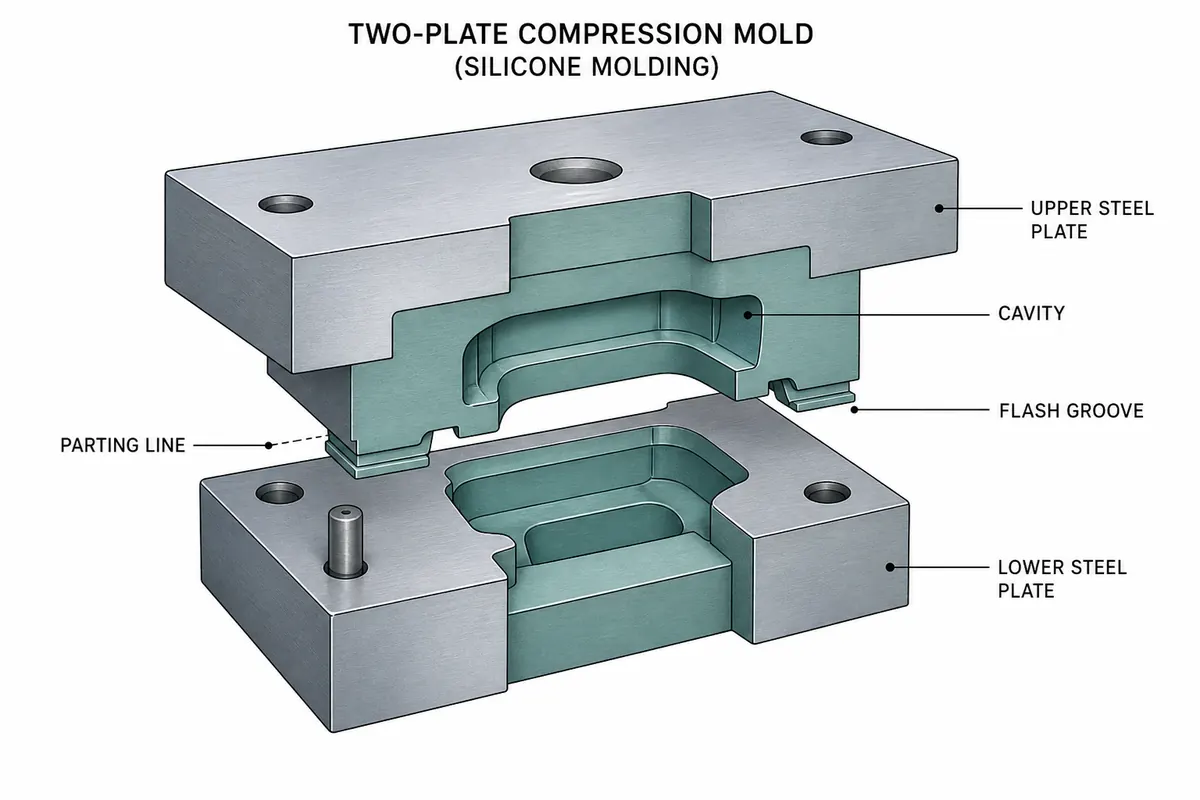
If WYD is manufacturing a silicone tray or finished silicone product, compression tooling is typically a machined metal production mold.
Typical process: CAD → DFM → CNC Tooling → HCR/HTV Molding → Sample → Production.
Tooling cost may be affected by size, cavity count, steel/aluminum construction, inserts, parting line, undercuts, surface finish, venting, machining time and trial adjustments.
3. LSR Injection Tooling
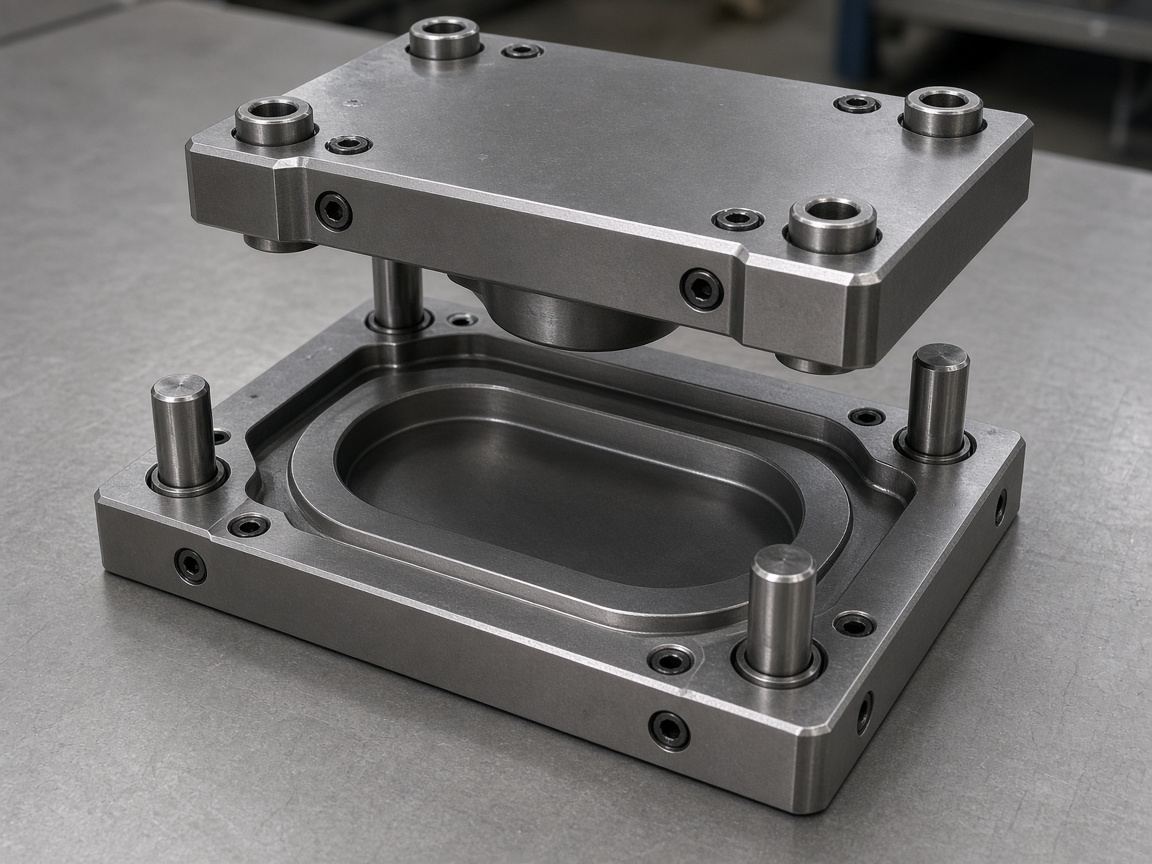
LSR tooling is designed for liquid injection molding. The tooling system may include mold plates, cavity/core, gate, runner/cold-runner design, vents, shutoffs, insert location and automation/demolding features.
LSR tooling should not be quoted as if it were simply the same mold used for HCR compression.
Prototype Tooling vs Production Tooling
A prototype tool is built to validate the design with lower risk. Production tooling is built for repeat manufacture under the intended process.
A prototype can validate shape, fit, demolding, weight, surface, hardness and function. A prototype made by one process does not automatically validate LSR gate behavior, production flash, cavity balance, cycle time or automation.
Who Owns the Tooling?
Tooling ownership should be written into the quotation or agreement. Clarify who owns the paid tool, where it is stored, whether it can be transferred, who pays maintenance, who owns CAD/tool drawings, who owns replaceable inserts, storage period and what happens after inactivity.
Do not assume that paying a tooling charge automatically answers all of these questions.
Tooling Cost vs Unit Price
Separate one-time and recurring costs. One-time / development: CAD/engineering, master model, prototype tool, production tool, first-trial modification. Recurring: silicone material, molding/casting, trimming, post-cure if required, assembly, QC, packaging, freight.
What to Ask Before Paying Tooling
- What exactly is being built?
- Which process will use it?
- Is the sample included?
- How many revision rounds are included?
- Who owns the tool?
- What is the expected first article?
- What documents/drawings will I receive?
- What is the repeat unit price after approval?
Send the drawing and expected quantity. We will separate design, tooling, prototype and repeat production into clear quotation lines. Contact WYD.
Ready to order custom silicone molds?
Send your drawing, sample or project requirements for DFM and quotation.