
How to Find a Reliable Custom Silicone Mold Manufacturer: 5 Things to Check
Five checks before you deposit: in-house process, named-grade documents, DFM questions, prototype after CAD lock, and batch inspection. WYD Bao'an since 2006.
On this page
A custom silicone mold is a project, not a catalog SKU. The wrong shop costs weeks. Use these five checks before you send a deposit.
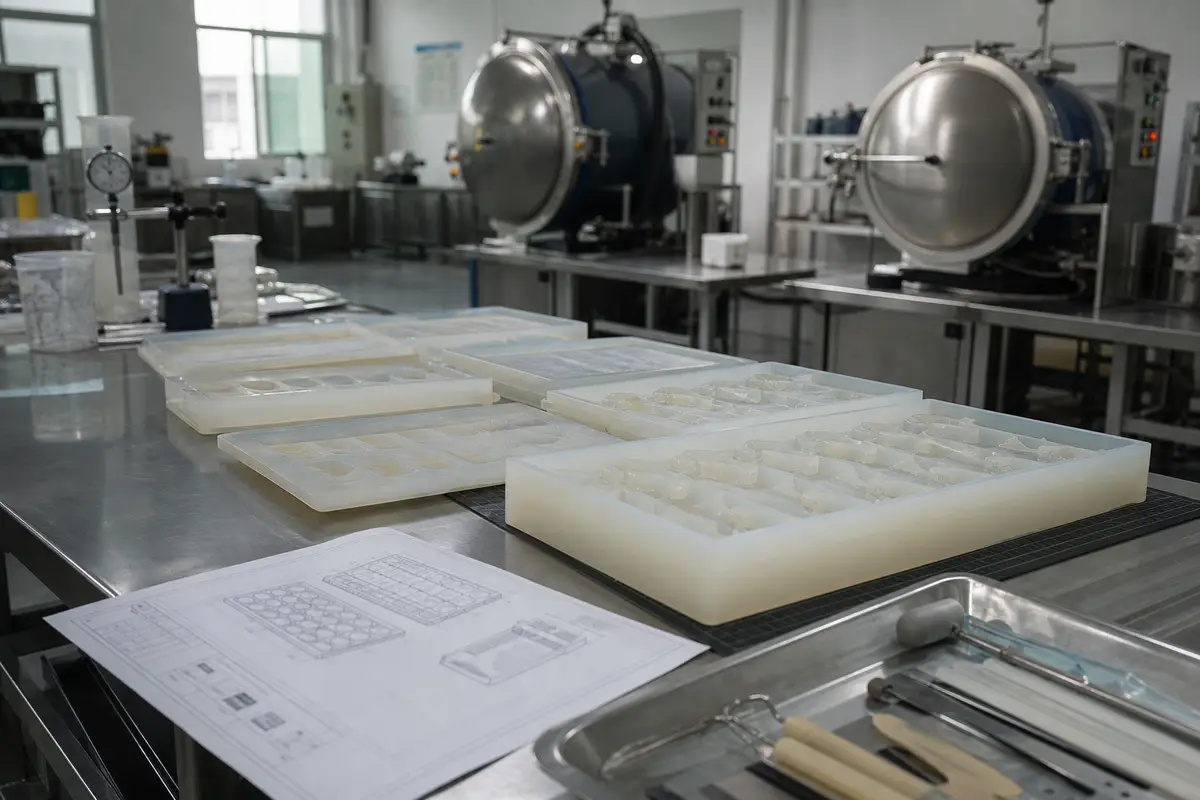
1. Can they show real manufacturing capability?
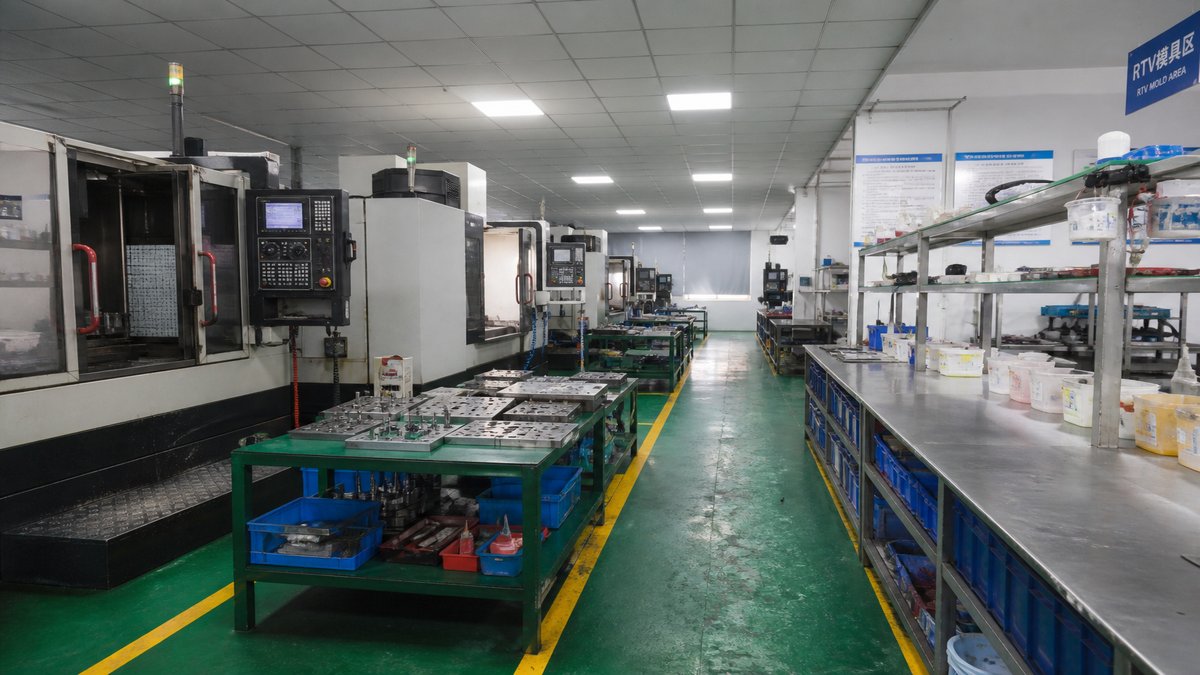
Traders and factories both quote molds. They are not the same job. Ask:
- Do you design and cut the tooling yourselves?
- Which processes do you actually run: RTV, compression (HCR/HTV), LSR?
- Can I see the floor on a video call or a visit?
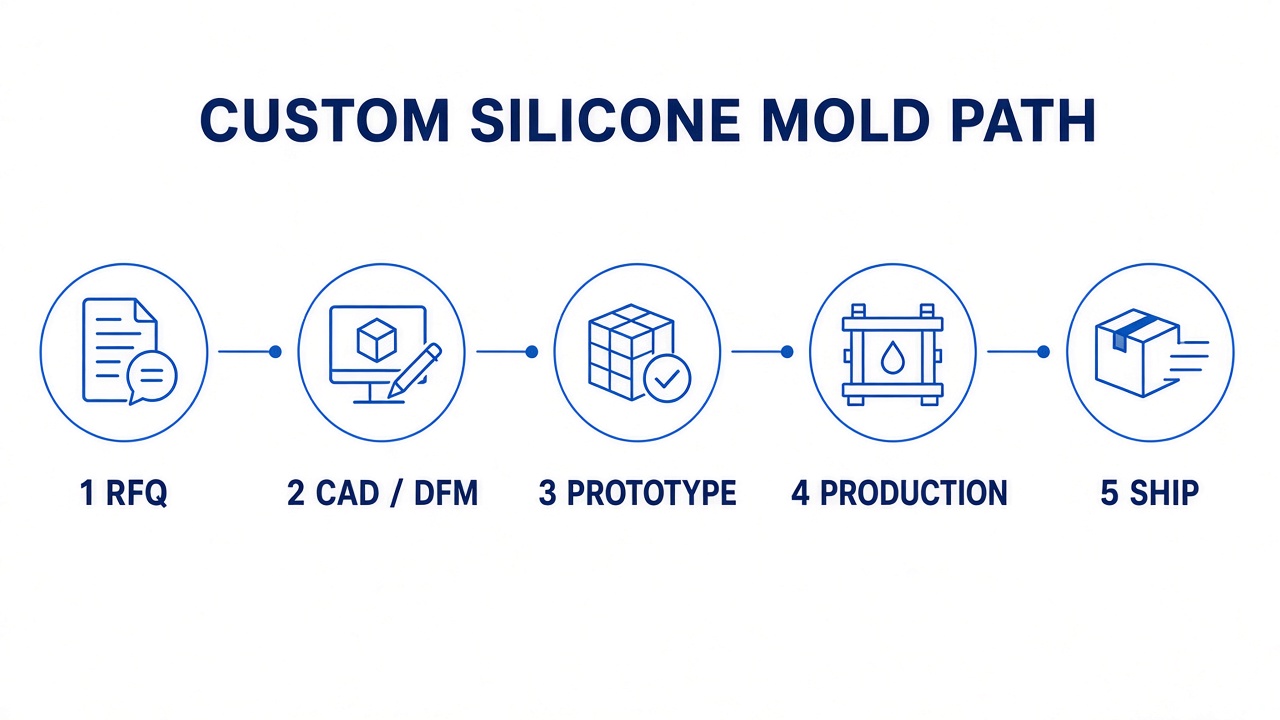
- What is a typical prototype path after CAD is locked?
A plant answers with equipment and a route, not a brochure. Compounding, presses, trim, and inspection tell you more than a stock photo.
2. Are the material documents specific?
For food-contact SKUs, "food grade" is not a document. Ask for the named silicone grade on your order and test reports that match that grade - FDA 21 CFR 177.2600 for repeated-use rubber articles, or LFGB / EU food-contact paperwork when the destination needs it.
A compound report is not a factory approval and is not every finished SKU. We do not call WYD an FDA-approved factory. Ask which files ship with your order.
Also ask about cure and post-cure. Platinum cure plus a post-cure step is a common way to cut residues on food-contact parts - confirm the path on the RFQ.
3. Do they review the design before tooling?
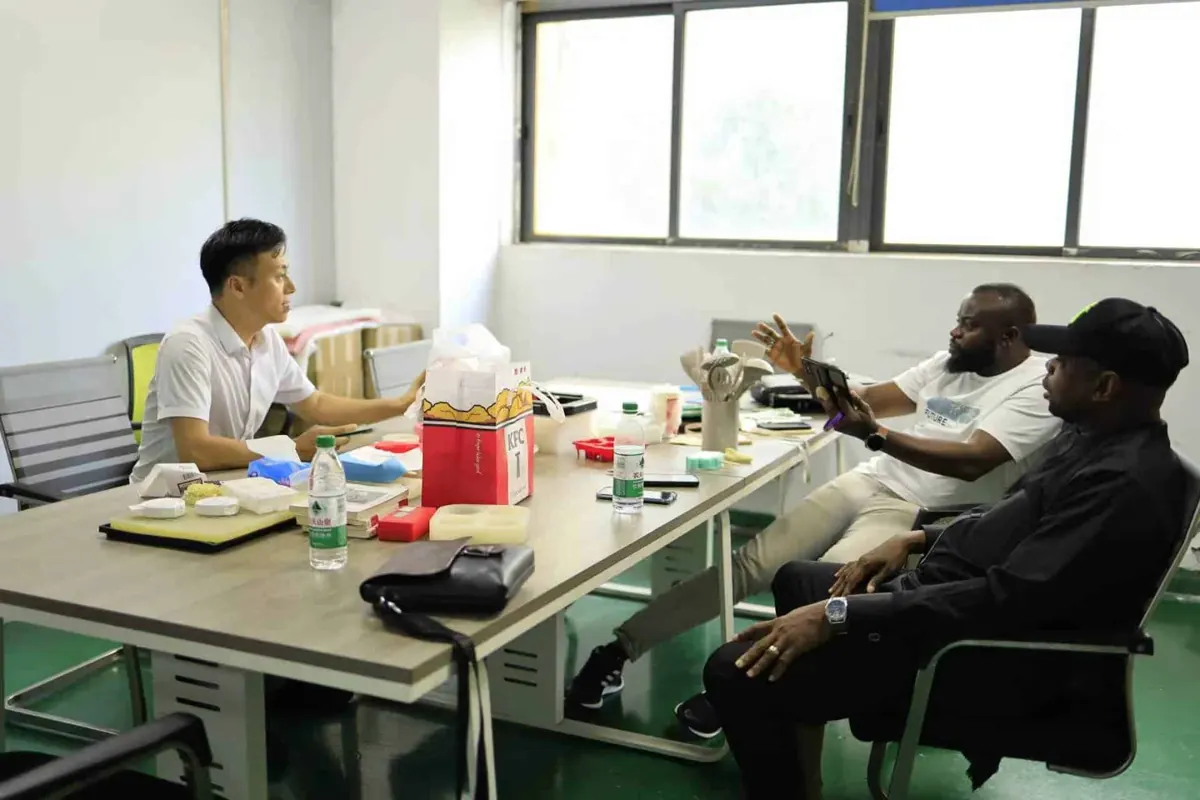
A useful quote asks questions first:
- Shrink so the part hits target size.
- Parting line and where the seam will show.
- Draft, undercuts, wall thickness.
- Cavity layout for the line you will run - depositor pitch if you pour gummies.
If every answer is "no problem" with zero questions, treat that as a warning. CAD is cheap. Steel after a miss is not.
4. Do they prototype before production?
A paid sample is the cheapest insurance. Look for:
- A written prototype window. At WYD, after CAD lock, a prototype is commonly 3-5 business days - not a fake same-day ship.
- You approve size, detail, and release before a production mix.
- A list of what can still change after approval, and what that costs.
- Production days after approval stated in the quote - they move with size, cavities, and compound. We do not print a universal 2-3 day production number.
Soft-tray / custom-design MOQ on this floor is often 20 per design. Use that to test a cavity without pretending it is a steel CapEx.
5. How do they inspect and trace a batch?
Ask what happens before the carton closes:
- What is checked: dimensions, cavity volume, surface, obvious defects?
- Is it every batch, and can you see photos or a short video?
- Are lots recorded so a miss can be traced?
Plain inspection language beats a QC slogan. Footage of finished goods being checked is a better signal than a certificate wallpaper.
Red flags
- A price far below everyone else with no material or process line.
- Refusal to name the grade or share matching reports.
- Sample photos that look like stock or another shop's work.
- Vague MOQ or lead time.
- No written quote of what is in and what is out.
A simple comparison pack
Send the same brief to two or three shops and compare in writing:
- Process and tooling type.
- Grade and documents.
- Prototype cost and days after CAD lock.
- Production days and MOQ.
- Inspection steps before ship.
The useful quote is the one you can explain to purchasing, not the cheapest line.
FAQ
Should I visit before a PO? Helpful on large or long programs. For a first RTV or a small tray, a live video walk plus a paid prototype is usually enough.
Is a low MOQ a quality warning? Not by itself. Soft tooling and RTV can be economical at small counts. The process has to match the quantity.
What if the sample is wrong? Send photos and measurements. A shop that owns the process will say whether it is design, compound, or handling - then correct it before production mix.
Send CAD or photos, qty, compound needs, and destination market to /contact/. Typical shop values we already publish: Bao'an since 2006, soft MOQ often 20, ~$50 nest/drawing deposit on the path that uses it, prototype commonly 3-5 business days after CAD lock.
Ready to order custom silicone molds?
Send your drawing, sample or project requirements for DFM and quotation.