
Color Matching for Custom Silicone Products and Molds
Control silicone color using Pantone or physical standards, approved plaques/parts, surface finish, thickness, pigment lot and repeat-order references.
On this page
# Color Matching for Custom Silicone Products and Molds
A Pantone number is a target, not a guarantee that molded silicone will look identical under every light and surface finish.
Final appearance depends on:
- base silicone
- pigment/masterbatch
- opacity/translucency
- part thickness
- matte/gloss texture
- lighting
- neighboring colors
- production process
Define the Color Reference

Use one primary standard:
- Pantone reference
- approved physical chip
- customer master sample
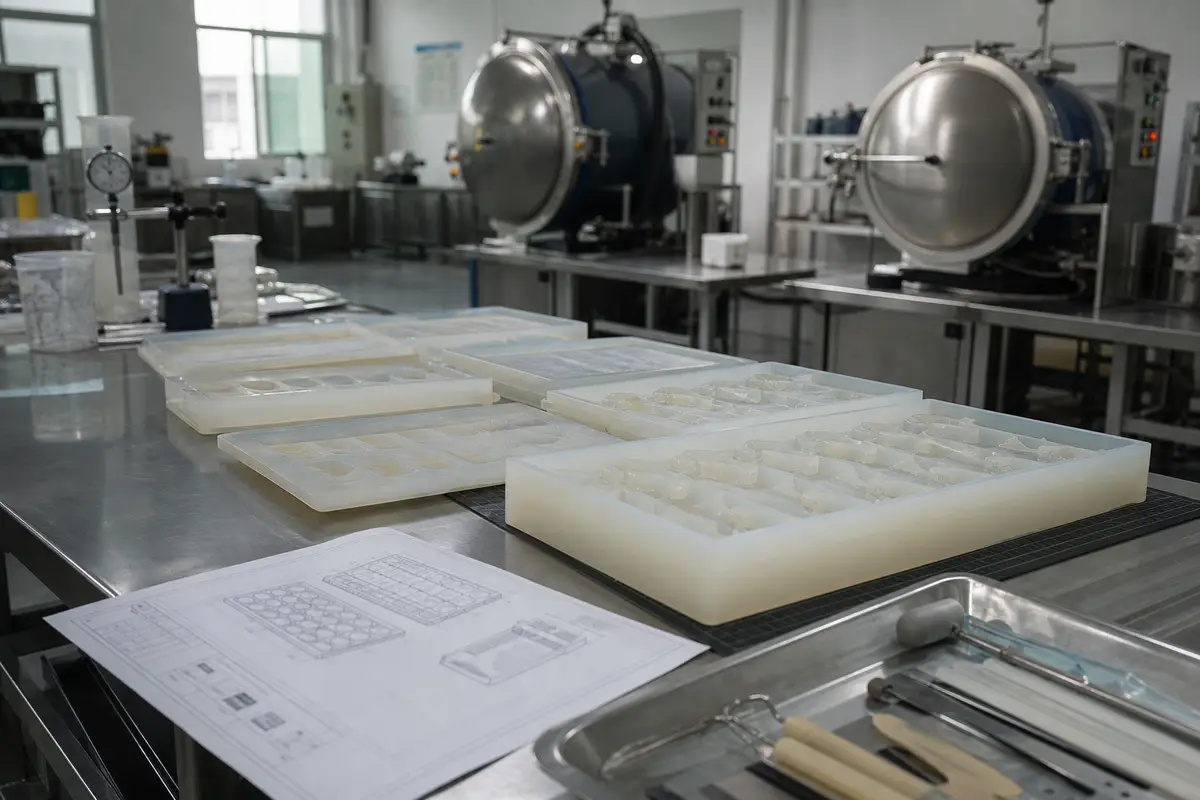
- approved molded plaque/part
For critical brand colors, a physical molded approval is more reliable than comparing a screen image.
Surface Finish Changes Perceived Color
The same pigment can look different on:
- polished/gloss surface
- matte texture
- fine grain
- translucent silicone
Approve color and surface together.
Thickness Changes Translucent Parts
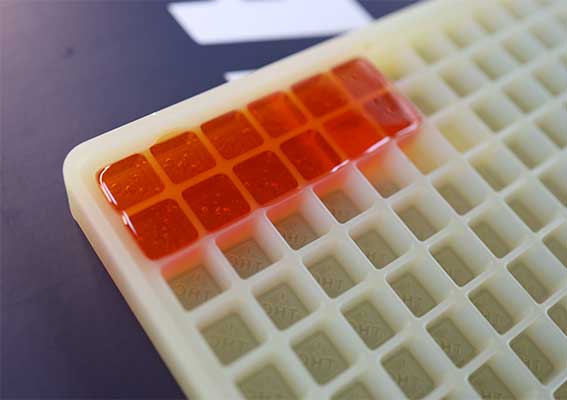
A translucent or light-colored silicone section can appear darker or more saturated where it is thicker.
If the product has large thickness variation, review the actual part rather than a thin color plaque only.
Color Matching Workflow
- receive reference
- select base material
- prepare pigment trial
- mold plaque/sample
- compare under agreed lighting/measurement method
- adjust
- approve master color
- archive formula/reference for production
Delta E and Instrumental Measurement

For projects that require instrumental color control, define:
- color space/instrument
- measurement surface
- target tolerance
- lighting/observer conditions
Do not publish one universal Delta E limit for every product.
Repeat-Order Control
Archive:
- approved sample
- pigment formulation/reference
- base compound
- surface finish
- thickness/measurement area
- lot record
If the base compound or pigment supplier changes, the visual result should be rechecked.
Multi-Color and Two-Shot Products
When colors touch, evaluate:
- boundary definition
- bleed/contamination
- sequence
- parting/shutoff
- regrind/rework policy where applicable
What to Send
- Pantone or physical sample
- opaque/translucent requirement
- surface finish
- part thickness range
- target quantity
- color tolerance/approval method
Pantone Is a Target, Not the Finished-Part Measurement
Final color depends on base silicone, pigment loading, translucency, part thickness, surface finish, cure/process and lighting. Approve a molded sample or physical master when brand color is critical.
Approve Color and Texture Together
Matte and glossy surfaces reflect light differently, so the same pigmented silicone can appear different. Do not approve pigment first and texture later if appearance is important.
Repeat-Order Color Control
Retain the approved color reference, silicone grade, pigment/masterbatch identity, surface finish and viewing/measurement method if one is specified. A change in pigment source should be treated as a controlled change where appearance or compliance matters.
Translucent and multi-color products need additional review because section thickness and color boundaries can visibly change the result.
Related WYD Pages
Final Recommendation
Approve color on the real silicone material and surface. A Pantone code is the starting reference; the approved molded sample is the production reference.
Ready to order custom silicone molds?
Send your drawing, sample or project requirements for DFM and quotation.