
There is no single “best silicone” for every custom mold or silicone product.
Material selection depends on:
- what the silicone is being used to make
- how it will be processed
- what it contacts
- how much it must flex
- how much support it needs
- temperature and chemicals
- documentation requirements.
A Shore number alone is not a material specification.
The correct sequence is:
> application → manufacturing route → material family → geometry/support → validation
RTV, HCR/HTV and LSR Solve Different Manufacturing Problems
RTV silicone
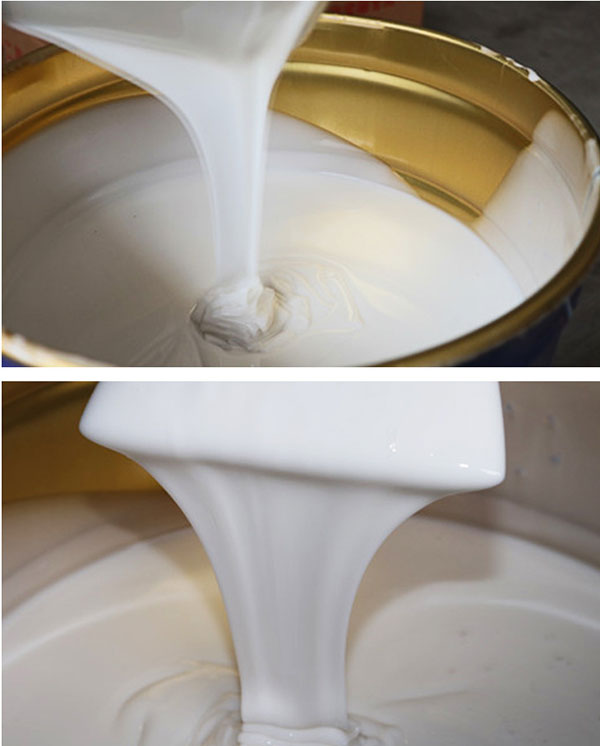
RTV silicone cures at room temperature and is commonly used to create flexible casting molds around an approved master.
Typical applications can include:
- resin
- plaster
- candle
- soap
- decorative casting.
RTV is useful where:
- a master-based route fits
- undercuts need flexible release
- mold structure may be split
- quantity is relatively limited or custom.
HCR/HTV silicone
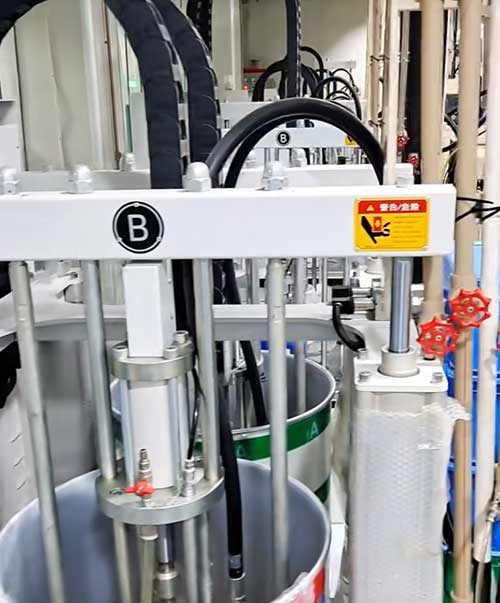
High-consistency silicone is commonly used in compression molding.
For custom molds, it can be used to manufacture repeat silicone trays or molded products using production tooling.
Applications can include:
- food trays
- baking molds
- gaskets
- covers
- keypads
- other molded parts.
LSR
Liquid silicone rubber is used in injection molding.
It can be appropriate when:
- an LSR grade is specified
- geometry suits injection
- thin/detail features matter
- production volume supports the tooling
- automation/insert molding is useful.
These are not quality grades. They are different material/process systems.
Start With What the Silicone Contacts
For a casting mold, tell the supplier what goes into it:
- resin
- plaster
- wax
- soap
- chocolate
- gummy
- water/ice
- batter
- other material.
For a finished silicone part, identify:
- food
- skin
- oil
- fuel
- cleaner
- chemical
- outdoor environment
- mating hardware.
The material should be reviewed against the real contact condition.
Do not assume a compound that works well for one resin or cleaner automatically works for another.
Shore Hardness Is Only One Variable
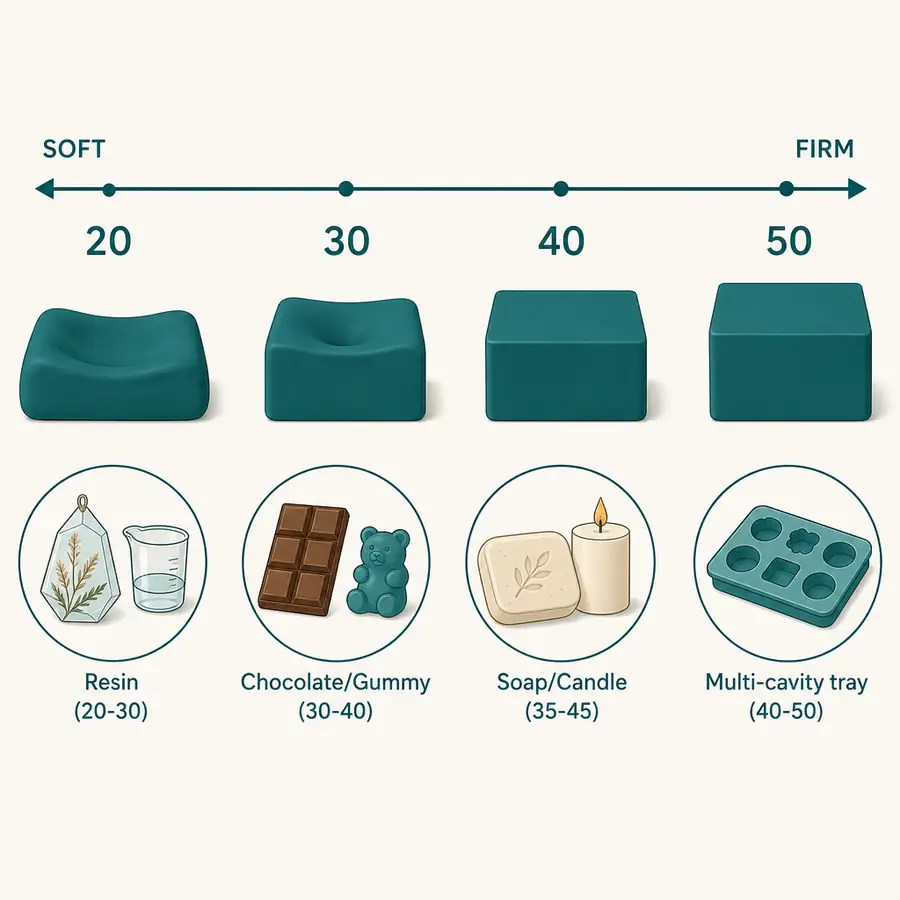
Two parts made from the same Shore hardness can feel very different.
Why?
Because final stiffness also depends on:
- wall thickness
- span
- ribs
- shape
- local flex zones
- preload
- cavity depth
- external support.
Example: large tray
A harder material can still sag if the tray is wide and unsupported.
Example: deep undercut mold
A softer material may release more easily, but if the mold is large it may need a rigid support shell.
Example: silicone lid
Fit and removal force may depend more on locating geometry and interference than on Shore alone.
Choose hardness together with the geometry.
Tear Risk Matters Around Undercuts and Thin Features
A mold may fail at:
- sharp master corners
- deep logo returns
- thin slit ends
- narrow necks
- repeated peel locations.
Material selection should be reviewed with:
- tear-risk geometry
- wall thickness
- release direction
- operator technique.
Simply selecting a softer grade can sometimes increase local stretch without solving the root geometry.
A radius, different split or support strategy may be more effective.
Temperature Needs Time and Load
Do not ask only:
> “What temperature can this silicone handle?”
Specify:
- normal temperature
- peak temperature
- exposure time
- heating/freezing cycles
- loaded vs empty
- cleaning condition.
A large baking tray carrying food is a different condition from a small empty silicone test coupon.
Related: Silicone Mold Temperature Limits
Cure System Is Not a Marketing Ranking
Platinum-cure, peroxide-cure and RTV cure chemistries should be selected in context.
Questions can include:
- process route
- compound specification
- odor/volatile requirement
- food-contact document requirement
- post-cure
- supplier recommendation.
Do not assume:
- platinum = automatically compliant
- peroxide = low quality
- RTV cure chemistry = same decision as HCR/LSR.
The compound and intended use matter.
Food-Contact Projects Need a Separate Document Review
If the silicone will contact food, define:
- target market
- food type
- temperature
- contact duration
- repeated use
- cleaning
- required report/standard.
Then confirm the exact compound and documentation.
“Food grade silicone” without a compound/use/market context is not enough.
Authority page: Silicone Materials & Compliance
Large Molds Need Structure, Not Only Material
For large resin, plaster, soap, baking or food molds, evaluate:
- filled mass
- mold span
- cavity depth
- handling
- support.
Possible structural solutions include:
- wider perimeter
- ribs
- thicker local zones
- support frame
- rigid mother mold.
Do not keep increasing hardness when the real issue is structural support.
Use the Material Data Sheet Correctly
A TDS can help review:
- hardness
- tensile/tear properties
- specific gravity
- temperature data
- cure/process guidance.
But it does not prove:
- finished mold life
- final assembly fit
- compatibility with every chemical
- final regulatory compliance
- final device performance.
Use the TDS to select a candidate material, then validate the actual product/application.
Prototype the Material Decision
A useful material prototype may compare:
- two hardnesses
- two wall sections
- supported vs unsupported tray
- actual resin compatibility
- actual freeze/release
- real fit/assembly.
Change one major variable at a time where possible.
The prototype should answer a specific material/geometry question.
What to Send for Material Selection
- application
- manufacturing route if known
- contact material
- temperature
- chemical/environment
- required flexibility/support
- target Shore if already specified
- target market/documentation
- quantity
- known failure from current material.
If you only know the product function, send that. The material recommendation should follow the requirement.
Send a project for review
Send the file or sample, the function, and the quantity.