
RFQ line · loaded flatness
Loaded-tray flatness as a depositor RFQ line item
Write flatness as a line on the RFQ, not as a later complaint. Empty-on-a-table is one check. Supported-in-the-nest is another. Filled-to-grams is the one the depositor sees. If you leave those three unnamed, we cannot tell whether a bow is a receiving defect or a missing nest. This page does not reprint sag or Shore tables - those stay on the depositor hub.
WYD (Room 201, Building N, Licheng Technology Industrial Park Phase III, Xinhe Avenue, Shajing, Baoan District, Shenzhen, since 2006): CAD about $50, prototype 3-7 business days after CAD lock, soft-tray MOQ 20. After you name the condition, open /depositor-compatible-gummy-molds/ for nest and Z.
Put one of these lines on the RFQ
| RFQ line | What you will inspect | If you skip it |
|---|---|---|
| Empty, relaxed | Receiving / warpage screen on a plate | You only catch packing crush |
| Supported in nest | Cavity plane vs pins / carrier | Floppy-edge location looks like a pitch miss |
| Loaded to grams | Filled tray in the real nest | Outer-row weight gets blamed on cavity mL |
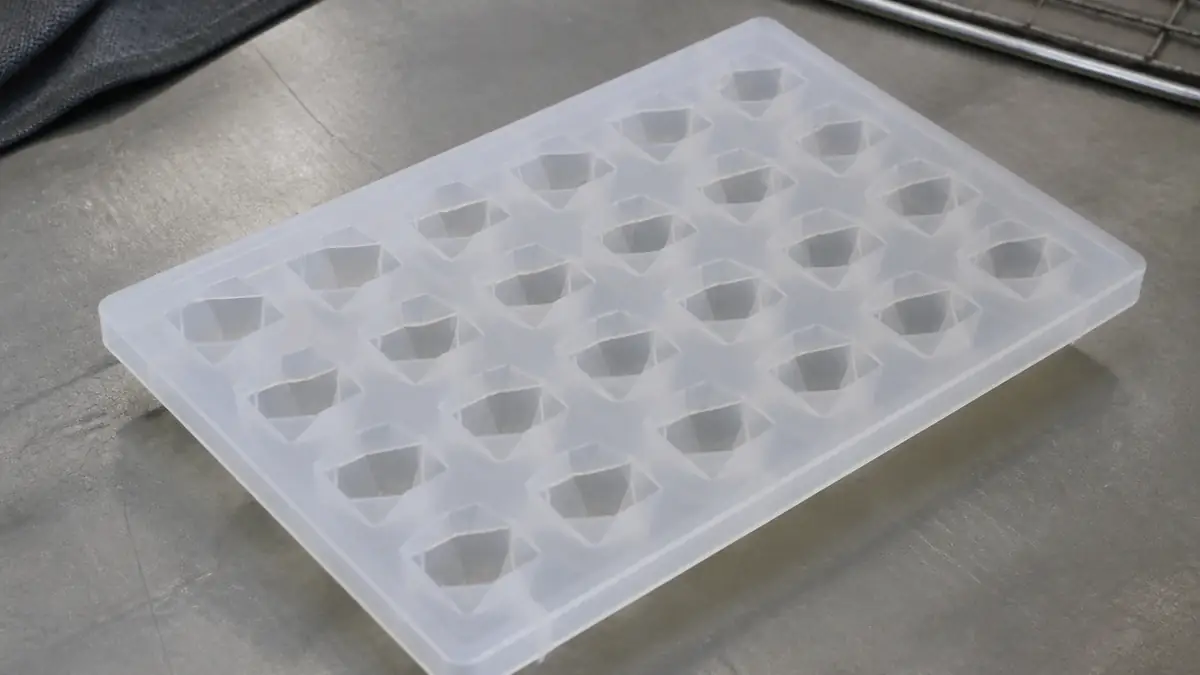
Hypothetical: signed empty, failed loaded
Hypothetical path - not a named customer file
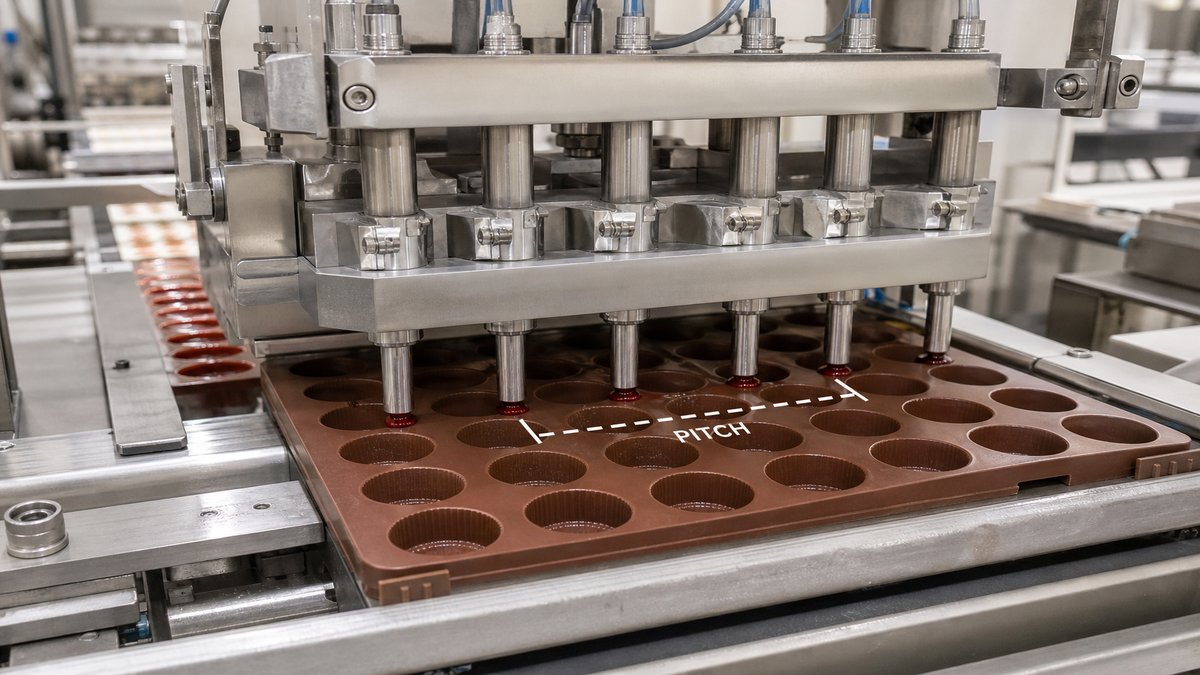
Incoming QC signs an empty tray. On the nest, outer rows run heavy. The missing RFQ line was "inspect filled, in nest." We re-run first article against that line instead of jumping Shore first.
Wrong route
- Pitch, nest, typical sag talk: /depositor-compatible-gummy-molds/
- Flood-and-scrape scrape plane: /flood-and-scrape-gummy-molds/
- Sample weigh sheet: /gummy-mold-prototype-sample/
- Food-contact documents: /food-grade-silicone-mold-documents/
- /custom-silicone-mold-quote/ · /contact/
Flatness-line FAQ
- Is empty-table flatness enough?
- It is a receiving check. The line cares whether the cavity plane holds once the tray is in the nest and filled. Write that condition on the RFQ.
- Should I just ask for a harder Shore?
- Not as the first line. Name support span and nest first. Shore changes belong after the loaded condition is written - and the Shore table lives on the depositor hub, not here.
- What numbers do you need?
- Which condition you will inspect (empty / supported / loaded), how you will rest the tray, and target grams. Typical shop sag talk stays on /depositor-compatible-gummy-molds/.
- MOQ and sample timing?
- Soft-tray MOQ 20 after approval. CAD about $50 when the model needs lock. Prototype commonly 3-7 business days after CAD lock.
Write the flatness condition on the RFQ
Empty, supported, or loaded - pick one to sign. Send nest PDF and grams to /contact/.